
Starting medical school is an exciting yet challenging journey. As a first-year student, you will be introduced to a vast amount of knowledge and skills that form the foundation for your future medical career. One crucial aspect of your medical education is the exams you will undertake throughout your first year. These exams test your understanding of the fundamental concepts and principles of medicine. In this article, we will present a comprehensive list of first-year medical school exam questions to help you prepare effectively.
Before we dive into the questions, it’s important to note that the content and format of exams may vary between medical schools. However, the following questions cover a wide range of topics commonly tested in first-year medical school exams. Use these questions as a study resource and a means to assess your knowledge and readiness for your exams.
Remember, the key to success in medical school exams is consistent studying and practice. Use these questions to test yourself regularly, identify areas of weakness, and seek additional resources to strengthen your understanding. Now, let’s explore some first-year medical school exam questions!
See these First Year Medical School Exam Questions
- What is the main function of the kidneys?
- Describe the structure and function of red blood cells.
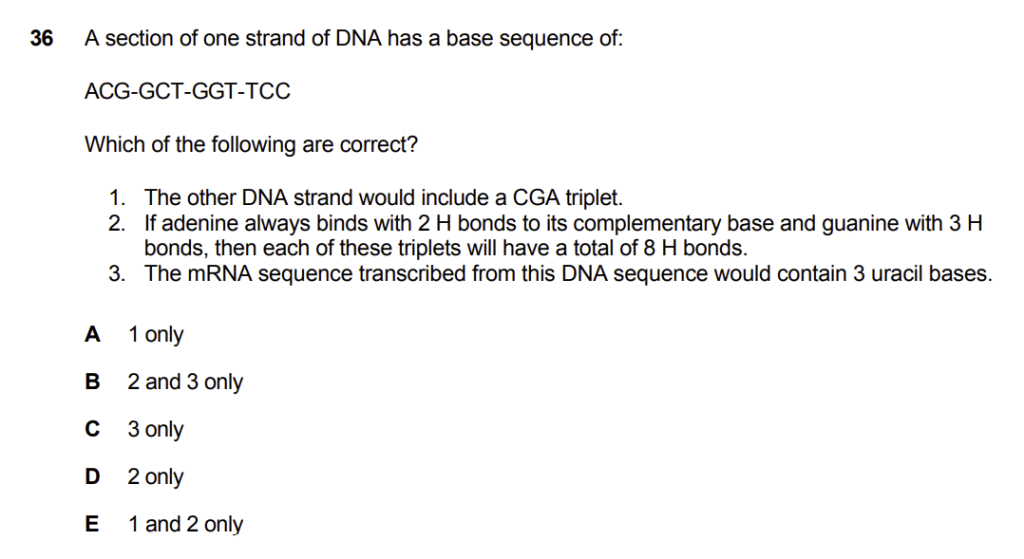
- Explain the process of transcription and translation in protein synthesis.
- What are the four basic tissue types found in the human body?
- Discuss the mechanisms of action of common antibiotics.
- What is the difference between Type 1 and Type 2 diabetes?
- Describe the stages of mitosis.
- Explain the role of neurotransmitters in synaptic transmission.
- What are the functions of the respiratory system?
- Discuss the pathophysiology of asthma.
- Describe the mechanism of action of beta-blockers.
- What is the difference between a sign and a symptom?
- Explain the process of blood clot formation.
- Discuss the causes and consequences of hypertension.
- What are the main components of the central nervous system?
- Describe the structure and function of the heart.
- Explain the process of meiosis and its significance.
- What are the different types of white blood cells and their functions?
- Discuss the mechanisms of action of common analgesics.
- What are the functions of the digestive system?
- Describe the pathophysiology of inflammatory bowel disease.
- Explain the role of hormones in the endocrine system.
- What are the different types of joints found in the human body?
- Discuss the causes and consequences of liver cirrhosis.
- What is the difference between arteries and veins?
- Describe the structure and function of the lungs.
- Explain the process of DNA replication.
- Discuss the mechanisms of action of common anticoagulants.
- What are the functions of the immune system?
- Describe the pathophysiology of autoimmune diseases.
- Explain the role of enzymes in biological reactions.
- What are the different types of muscle tissue?
- Discuss the causes and consequences of kidney failure.
- What is the difference between the sympathetic and parasympathetic nervous systems?
- Describe the structure and function of the skin.
- Explain the process of cell division in bacteria.
- Discuss the mechanisms of action of common antihypertensive drugs.
- What are the functions of the skeletal system?
- Describe the pathophysiology of osteoarthritis.
- Explain the role of vitamins in human nutrition.
- What are the different types of connective tissue?
- Discuss the causes and consequences of lung cancer.
These first-year medical school exam questions are just a starting point for your preparation. Make sure to cover all the essential topics and consult your course materials and professors for additional guidance. Good luck with your exams, and remember to stay focused, motivated, and confident in your abilities!






