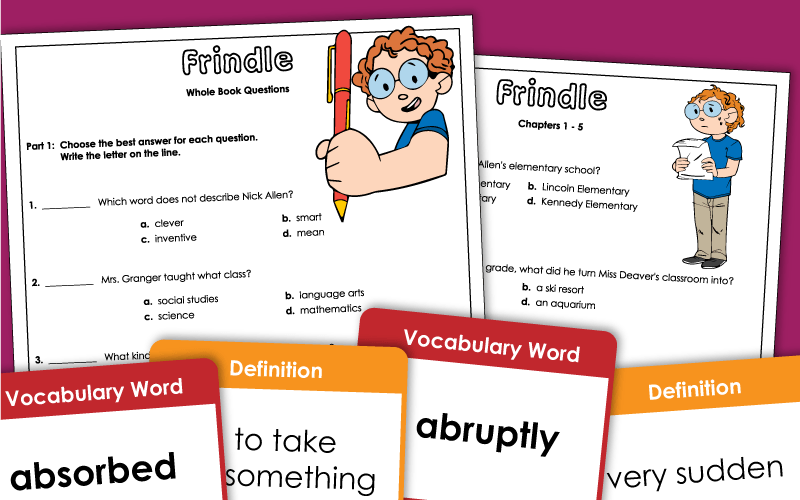
Frindle is a popular children’s book written by Andrew Clements. It tells the story of a fifth-grade boy named Nick Allen who invents a new word, “frindle,” and sparks a language revolution at his school. The book has captivated readers of all ages and has become a staple in elementary school classrooms.
One effective way to assess comprehension and engage students with the story is by using comprehension questions. These questions not only test students’ understanding of the book but also encourage critical thinking, discussion, and reflection. Whether you are a teacher looking for resources or a parent wanting to enhance your child’s reading experience, these frindle comprehension questions are a valuable tool.
By using frindle comprehension questions, educators can gauge students’ understanding of the plot, characters, and themes of the book. These questions can also help students analyze the motives and actions of the characters, explore the concepts of friendship and loyalty, and reflect on the power of words. Additionally, comprehension questions provide an opportunity for students to express their opinions, make connections to their own experiences, and develop their communication skills.
See these frindle comprehension questions:
What is the main character’s name?
Where does the story take place?
What is the new word that Nick invents?
How does Nick’s teacher, Mrs. Granger, react to the word “frindle”?
Why does Nick decide to start using the word “frindle”?
What are some examples of how the word “frindle” spreads?
How do Nick’s friends and classmates react to the word “frindle”?
What does Nick’s principal, Mrs. Chatham, think about the word “frindle”?
How does the media get involved with the story of “frindle”?
Why does Nick’s dad support him in his endeavor?
What challenges does Nick face as he tries to popularize the word “frindle”?
How does the word “frindle” change the dynamics of the school?
What consequences does Nick face for his actions?
What does Nick learn from his experience with “frindle”?
How does Nick’s relationship with Mrs. Granger evolve throughout the book?
What is the significance of the final scene in the book?
How does the theme of creativity and innovation come through in the story?
What are some lessons that can be learned from the book “frindle”?
How does the setting of the story contribute to the plot?
What role do Nick’s friends play in his journey with “frindle”?
What impact does the word “frindle” have on Nick’s classmates?
How does the story of “frindle” relate to real-life situations?
What are some examples of symbolism in the book?
How does the author use humor in “frindle”?
Why do you think the author chose the title “frindle” for the book?
What are some ways in which Nick demonstrates leadership?
What does the book teach us about the power of words?
How does Nick’s relationship with his parents influence his actions?
What role does Mrs. Chatham play in the story?
How does the ending of the book leave room for interpretation?
What are some character traits that Nick possesses?
How does the book explore the concept of authority and rules?
What are some examples of foreshadowing in “frindle”?
How does the story emphasize the importance of individuality?
What are some connections you can make between “frindle” and other books you’ve read?
How does the book address the idea of change?
What role does the media play in shaping public opinion about “frindle”?
How does the story of “frindle” encourage readers to think outside the box?
What are some instances in which the characters demonstrate empathy?
What is the role of Nick’s teacher, Mrs. Granger, in the story?
How does the word “frindle” become a symbol of rebellion?
What does the book teach us about the power of language?
How does the story of “frindle” inspire creativity in its readers?
What are some examples of irony in the book?
How does the book challenge traditional ideas about education?
What are some ways in which the story of “frindle” can be applied to real-life situations?
These frindle comprehension questions serve as a starting point for discussion and exploration of the book’s themes and messages. They can be adapted to suit different grade levels and teaching styles. By engaging students in thoughtful conversations, educators can foster a love for reading and encourage critical thinking skills that extend beyond the pages of the book.