
Preparing for the GED extended response section can be challenging, especially if you are unsure of what to expect. To help you familiarize yourself with the format and content of this section, we have compiled a list of sample questions that you can use for practice. These questions cover a range of topics and provide you with an opportunity to hone your writing skills. Whether you are studying on your own or working with a tutor, these sample questions will help you feel more confident and prepared on exam day.
The extended response section of the GED test requires you to write an essay response to a given prompt. This prompt will typically ask you to analyze a passage, express your opinion on a specific topic, or argue for a particular viewpoint. It is important to read the prompt carefully and plan your response before you begin writing. This section is graded based on the clarity of your ideas, the organization of your response, and the quality of your writing. By practicing with these sample questions, you can improve your ability to construct a well-developed and coherent essay.
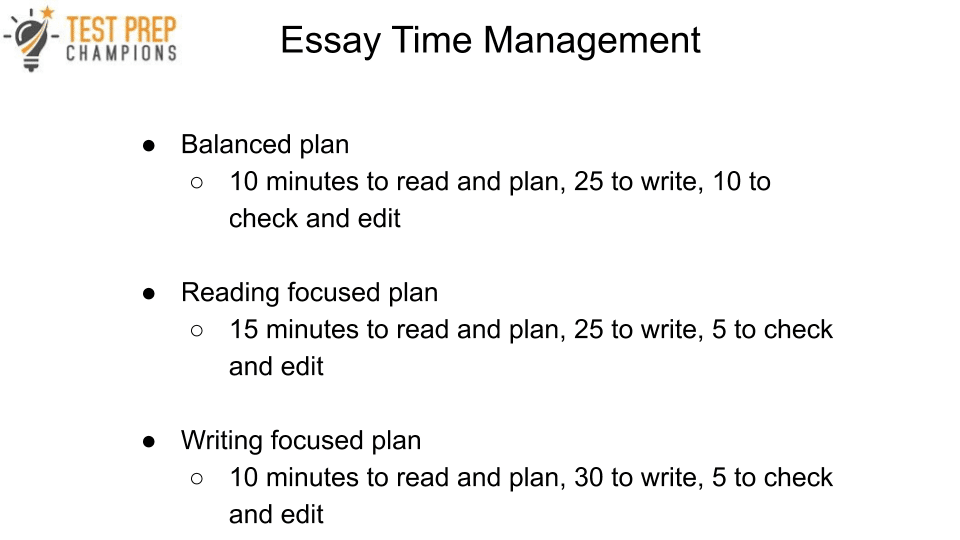
Remember to allow yourself enough time to brainstorm, outline, and revise your essay. The more you practice, the more comfortable you will become with the writing process, and the better your chances of achieving a high score. Use these sample questions as a starting point for your preparation, and make sure to review the scoring rubric and guidelines provided by the GED Testing Service. With dedication and practice, you can excel in the extended response section of the GED test.
See these GED Extended Response Sample Questions
- 1. Should high school students be required to perform community service?
- 2. Discuss the advantages and disadvantages of online learning.
- 3. Is it important for teenagers to have part-time jobs?
- 4. Should the government regulate the use of social media?
- 5. Argue for or against the legalization of marijuana.
- 6. Discuss the impact of technology on society.
- 7. Is it better to live in a big city or a small town?
- 8. Should schools require uniforms?
- 9. Discuss the effects of climate change on the environment.
- 10. Should college education be free for all students?
- 11. Is it important for students to learn a second language?
- 12. Argue for or against the death penalty.
- 13. Discuss the benefits of exercise and physical fitness.
- 14. Should the voting age be lowered to 16?
- 15. Is it important to preserve endangered species?
- 16. Argue for or against the use of animals in scientific research.
- 17. Discuss the impact of social media on interpersonal relationships.
- 18. Should college athletes be paid?
- 19. Is it important to maintain a healthy diet?
- 20. Argue for or against the use of standardized tests in schools.
- 21. Discuss the benefits of renewable energy sources.
- 22. Should the government provide free healthcare?
- 23. Is it important to teach financial literacy in schools?
- 24. Argue for or against the use of cell phones in classrooms.
- 25. Discuss the impact of social media on mental health.
- 26. Should the drinking age be lowered to 18?
- 27. Is it important to have a college degree to be successful?
- 28. Argue for or against the use of genetically modified organisms (GMOs) in food production.
- 29. Discuss the benefits of early childhood education.
- 30. Should the government provide subsidies for renewable energy?
- 31. Is it important to teach sex education in schools?
- 32. Argue for or against the use of plastic bags.
- 33. Discuss the impact of video games on children.
- 34. Should the legal voting age be increased to 21?
- 35. Is it important to have strict gun control laws?
- 36. Argue for or against the use of nuclear power.
- 37. Discuss the benefits of cultural diversity.
- 38. Should the government provide free public transportation?
- 39. Is it important to teach music and arts in schools?
- 40. Argue for or against the use of capital punishment.
These sample questions are just a starting point for your practice. Make sure to explore additional resources, such as practice tests and writing guides, to further enhance your skills. With consistent practice and dedication, you can confidently tackle the extended response section of the GED test and achieve your desired score.






