
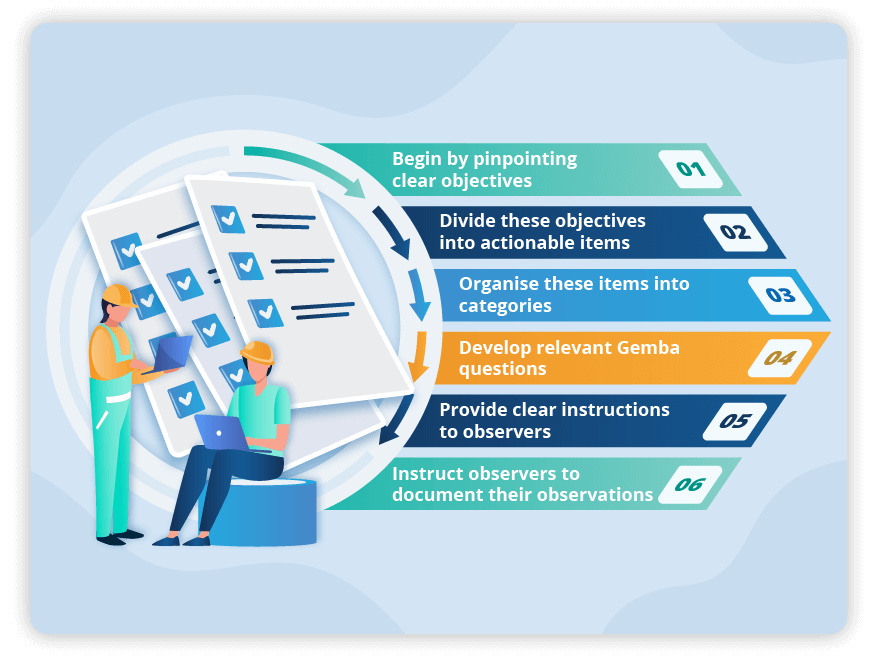
When it comes to boosting efficiency and improving quality in any workplace, one effective tool that is often overlooked is the use of gemba questions. Gemba, a Japanese term meaning “the real place,” refers to the practice of going to the actual location where work is done to observe and understand the process. By asking the right gemba questions, managers and team leaders can gain valuable insights into the work being done, identify areas for improvement, and make informed decisions.
Gemba questions serve as a powerful catalyst for continuous improvement and are a key component of the lean management philosophy. By engaging employees in meaningful conversations about their work, gemba questions encourage them to share their knowledge and insights, fostering a culture of learning, collaboration, and problem-solving.
In this article, we will explore some essential gemba questions that can help organizations uncover inefficiencies, identify bottlenecks, and improve overall productivity.
See these gemba questions
- What is the purpose of this process?
- What are the key steps involved in this process?
- What challenges do you face in completing this task?
- Are there any unnecessary steps in this process?
- How can we simplify or streamline this process?
- What tools or equipment do you need to perform your job efficiently?
- Are there any safety concerns in this area?
- How can we minimize waste in this process?
- What are the quality standards for this task?
- What are the most common defects or errors in this process?
- What training or support do you need to improve your performance?
- Are there any opportunities for automation in this process?
- How can we improve communication and collaboration between teams?
- What are the key performance indicators for this process?
- How can we measure and track progress?
- What are the customer requirements for this product or service?
- What are the customer pain points or complaints?
- How can we exceed customer expectations?
- What are the current inventory levels and lead times?
- How can we reduce cycle time and improve throughput?
- What is the root cause of recurring issues or problems?
- What are the current work instructions or standard operating procedures?
- How can we improve employee engagement and morale?
- What are the key bottlenecks or constraints in this process?
- How can we balance workload and prevent overburdening?
- What are the most time-consuming tasks in this process?
- How can we empower employees to make decisions and take ownership?
- What opportunities do you see for innovation or improvement?
- How can we promote a culture of continuous learning?
- What are the best practices or success stories in this area?
- How can we encourage cross-functional collaboration?
- What are the key risks or potential issues in this process?
- How can we improve the flow of information and eliminate silos?
- What are the current performance metrics and targets?
- How can we celebrate achievements and recognize outstanding performance?
- What are the opportunities for cost reduction or savings?
- How can we improve the overall customer experience?
- What are the key lessons learned from previous projects or initiatives?
- How can we better align our processes with our strategic goals?
- What are the current obstacles or barriers to success?
- How can we improve the onboarding and training process for new employees?
- What are the current employee satisfaction and retention levels?
- How can we foster a culture of accountability and ownership?
- What are the opportunities for cross-training and skill development?
These gemba questions are just a starting point. The key is to continuously engage with employees, listen to their insights, and act upon their suggestions. By embracing the gemba philosophy and incorporating gemba questions into your workplace, you can drive sustainable improvements, boost employee morale, and achieve greater efficiency and quality in your organization.






