
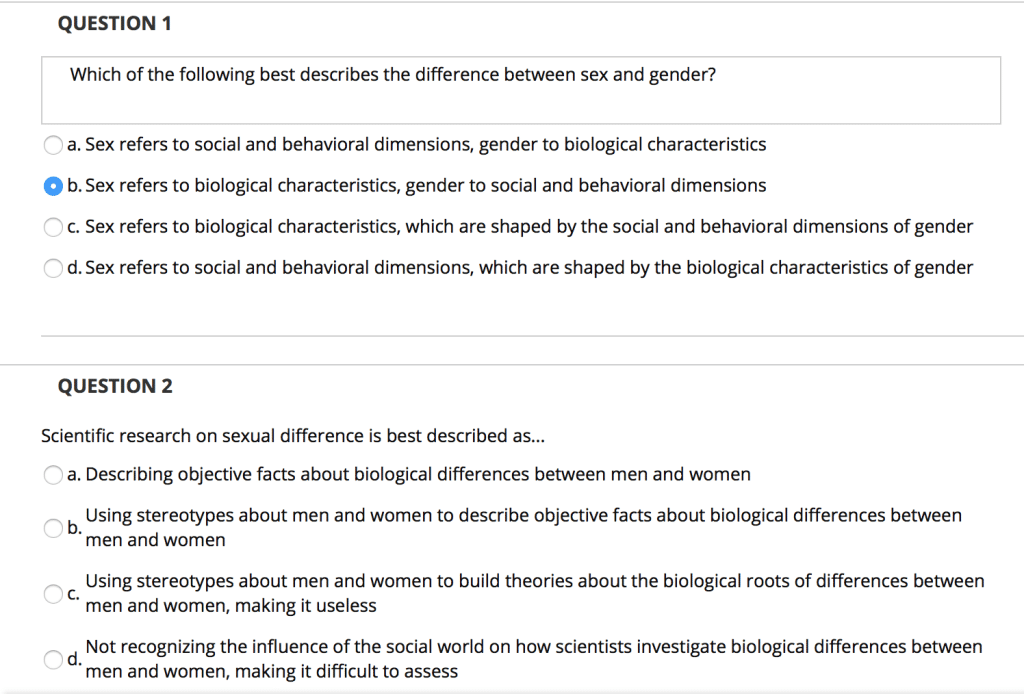
Gender roles have long been a topic of discussion and debate in society. These roles, which are often based on societal expectations and stereotypes, dictate how individuals should behave, dress, and perform certain tasks based on their gender. However, as our understanding of gender continues to evolve, so does the need to question and challenge these traditional gender roles.
Gender role questions are important because they help us critically examine the assumptions and expectations placed on individuals based on their gender. By asking these questions, we can uncover the biases and limitations that may exist within our society and work towards creating a more inclusive and equal world.
In this article, we will explore a list of gender role questions that can help spark conversations and encourage a deeper understanding of gender dynamics. By addressing these questions, we can foster a more inclusive society that recognizes and values the diverse experiences and identities of all individuals.
See these gender role questions
- What are some common stereotypes associated with masculinity and femininity?
- How do gender roles impact career choices and opportunities?
- Is it acceptable for men to show vulnerability and emotions?
- Are there any gender-specific expectations in terms of household chores?
- How do gender roles influence parenting styles and responsibilities?
- What are the effects of gender roles on mental health?
- Should children be raised with traditional gender roles?
- How does society view individuals who defy traditional gender roles?
- What impact does media have on perpetuating gender stereotypes?
- Is it possible to completely eliminate gender roles?
- What role does education play in challenging traditional gender roles?
- How does the workplace enforce or challenge gender roles?
- What are the consequences of gender role expectations on relationships?
- Should gender-neutral pronouns be more widely adopted?
- How do gender roles intersect with other aspects of identity, such as race and sexuality?
- What are the societal expectations for physical appearance based on gender?
- How do gender roles affect individuals who identify as non-binary or gender non-conforming?
- What role can individuals play in challenging and changing traditional gender roles?
- What are the economic implications of gender roles?
- How does the legal system reinforce or challenge gender roles?
- What impact do gender roles have on the LGBTQ+ community?
- Are there any inherent biological differences between genders that contribute to gender roles?
- How can we promote gender equality while still respecting individual choices and preferences?
- What can parents do to raise children without imposing strict gender roles?
- What role does language play in perpetuating gender stereotypes?
- How do gender roles affect individuals’ self-esteem and self-worth?
- What are the historical and cultural influences on gender roles?
- How does society respond to individuals who do not conform to traditional gender roles?
- What impact do gender roles have on individuals’ access to healthcare?
- How do gender roles affect individuals’ participation in sports and physical activities?
- What are the differences in expectations and treatment of men and women in leadership positions?
- Should gender-specific toys and clothing be eliminated?
- How do gender roles influence individuals’ decision to pursue higher education?
- What role does religion play in shaping and reinforcing gender roles?
- How do gender roles impact individuals’ ability to express their sexuality?
- What are some positive examples of individuals challenging traditional gender roles?
- How do gender roles affect individuals’ involvement in politics and government?
- What impact do gender roles have on individuals’ access to financial resources?
- Should gender be considered a binary concept or a spectrum?
- How do gender roles affect individuals’ sense of identity and belonging?
- What are the consequences of enforcing strict gender roles on mental health and well-being?
- How do gender roles intersect with disability and ableism?
- What can schools do to promote gender equality and challenge traditional gender roles?
- What are the long-term implications of perpetuating traditional gender roles?
These gender role questions are just a starting point for exploring and challenging the assumptions and expectations placed on individuals based on their gender. By engaging in open and honest conversations about gender roles, we can contribute to a more inclusive and equitable society for all.






