
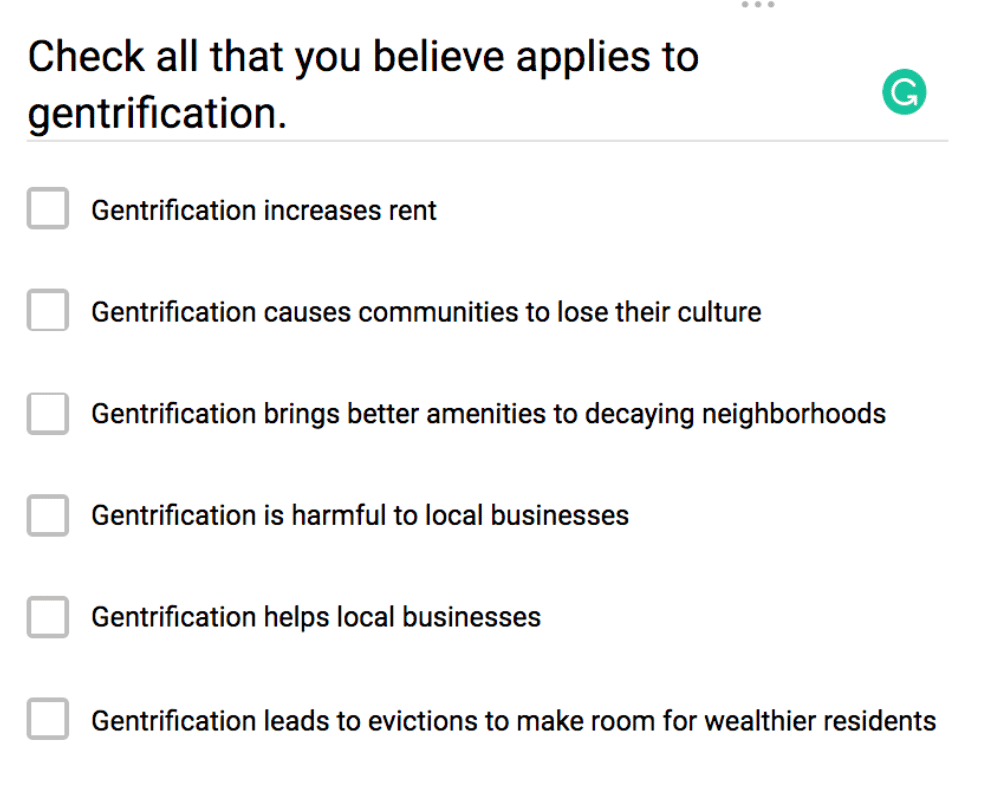
Gentrification is a complex and controversial process that has become increasingly prevalent in urban areas around the world. It refers to the transformation of a neighborhood, often low-income or working-class, into a more affluent and upscale area. This process typically involves the displacement of long-time residents and the influx of wealthier individuals or businesses. While gentrification can bring economic development and revitalization to a neighborhood, it also raises important questions about social equity, community identity, and housing affordability.
In order to gain a deeper understanding of gentrification and its effects, it is crucial to ask the right questions. By exploring different aspects of this phenomenon, we can shed light on its causes, consequences, and potential solutions. Below, you will find a comprehensive list of gentrification questions that can help stimulate critical thinking and further research:
See these gentrification questions:
- What is gentrification?
- What are the main causes of gentrification?
- How does gentrification impact housing affordability?
- What role does government policy play in gentrification?
- What are the social and cultural effects of gentrification?
- How does gentrification affect local businesses?
- What are the impacts of gentrification on long-time residents?
- What strategies can be implemented to mitigate the negative effects of gentrification?
- How does gentrification contribute to income inequality?
- What are the racial implications of gentrification?
- How does gentrification affect community cohesion?
- What are the ethical considerations surrounding gentrification?
- What is the relationship between gentrification and urban development?
- How can gentrification contribute to neighborhood revitalization?
- What are the challenges faced by low-income residents during the gentrification process?
- How can community engagement be fostered during gentrification?
- What role does gentrification play in the displacement of marginalized groups?
- What are the economic benefits of gentrification?
- How can affordable housing be preserved in gentrifying neighborhoods?
- What are the impacts of gentrification on public services and infrastructure?
- How does gentrification affect the character and identity of a neighborhood?
- What are the long-term effects of gentrification on property values?
- What are the potential solutions for balancing gentrification and community preservation?
- How does gentrification impact the rental market?
- What are the impacts of gentrification on the education system?
- How does gentrification affect social cohesion and neighborly relationships?
- What are the challenges faced by small businesses during the gentrification process?
- What is the role of real estate developers in gentrification?
- How does gentrification contribute to the displacement of artistic and creative communities?
- What are the environmental impacts of gentrification?
- How does gentrification affect public transportation accessibility?
- What are the impacts of gentrification on mental health and well-being?
- How does gentrification intersect with other urban issues, such as segregation and urban sprawl?
- What are the impacts of gentrification on political representation?
- How does gentrification affect the local economy?
- What are the challenges faced by elderly residents during the gentrification process?
- What are the impacts of gentrification on historic preservation?
- How does gentrification contribute to the commodification of urban spaces?
- What measures can be taken to ensure equitable development during the gentrification process?
- What are the impacts of gentrification on public health?
- How does gentrification affect social networks and support systems?
- What are the impacts of gentrification on crime rates?
- How does gentrification influence the perception and representation of a neighborhood in the media?
These gentrification questions provide a starting point for exploring the multifaceted nature of this urban phenomenon. By delving into these topics, researchers, policymakers, and communities can work towards a more comprehensive understanding of gentrification and develop strategies to address its challenges while fostering inclusive and equitable urban development.






