
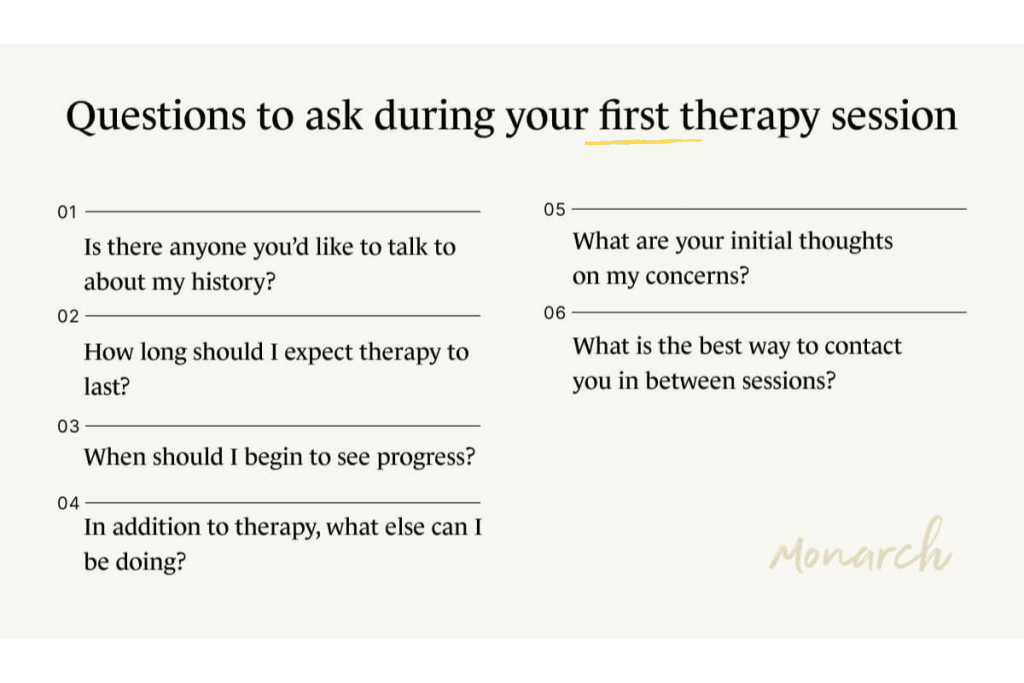
Therapy can be a transformative experience, providing individuals with a safe space to explore their thoughts, emotions, and experiences. A skilled therapist knows that asking the right questions is essential to help clients gain insights and make progress in their healing journey. Good therapy questions can help uncover underlying issues, challenge limiting beliefs, and promote self-reflection. In this article, we will explore some effective therapy questions that therapists use to foster growth and self-discovery.
Good therapy questions are designed to encourage clients to delve deeper into their thoughts and feelings, allowing them to gain a better understanding of themselves and their experiences. These questions can help clients identify patterns, challenge negative beliefs, and explore alternative perspectives. By asking thought-provoking questions, therapists can guide clients towards self-discovery and personal growth.
Therapy questions can vary depending on the goals and needs of the client. Some questions may focus on exploring past experiences and childhood influences, while others may concentrate on identifying current challenges and goals. Regardless of the specific focus, good therapy questions help clients gain clarity, increase self-awareness, and develop effective coping strategies.
See these good therapy questions:
- What are your goals for therapy?
- What do you hope to achieve through therapy?
- How would you describe your current emotional state?
- What are the main challenges you are facing right now?
- Can you identify any patterns in your thoughts or behaviors?
- What do you believe is holding you back from reaching your full potential?
- How do you cope with stress and difficult emotions?
- What are your strengths and how can you leverage them to overcome challenges?
- Can you think of any past experiences that might be influencing your current behavior?
- What do you fear the most and why?
- How do you define success and what does it mean to you?
- What self-care activities do you engage in regularly?
- How do you handle conflicts in your relationships?
- What are your biggest regrets in life?
- What values are most important to you?
- How do you typically respond to failure or setbacks?
- What would you like to change about yourself?
- What do you believe is your purpose in life?
- How do you define happiness?
- What are your biggest sources of stress?
- What are some unhealthy coping mechanisms you rely on?
- What would your ideal life look like?
- What are some negative thoughts or beliefs you have about yourself?
- How do you handle change?
- What steps can you take to improve your self-esteem?
- How do you nurture and maintain healthy relationships?
- What role does forgiveness play in your life?
- What are your core values and are you living in alignment with them?
- How do you manage and express your emotions?
- What are some self-sabotaging behaviors you engage in?
- What is your support system like?
- What do you need to let go of in order to move forward?
- How do you define love?
- What are your fears about the future?
- What have you learned from past failures or mistakes?
- How do you handle rejection?
- What steps can you take to improve your communication skills?
- What are your dreams and aspirations?
- What does self-care mean to you?
- How do you set boundaries in your relationships?
- What are some healthy coping mechanisms you can adopt?
- What do you need to forgive yourself for?
- How do you prioritize your own needs and well-being?
These good therapy questions are just a starting point. Skilled therapists understand the importance of tailoring questions to each client’s unique circumstances and goals. By asking the right questions, therapists can guide clients towards self-discovery, healing, and personal growth.






