
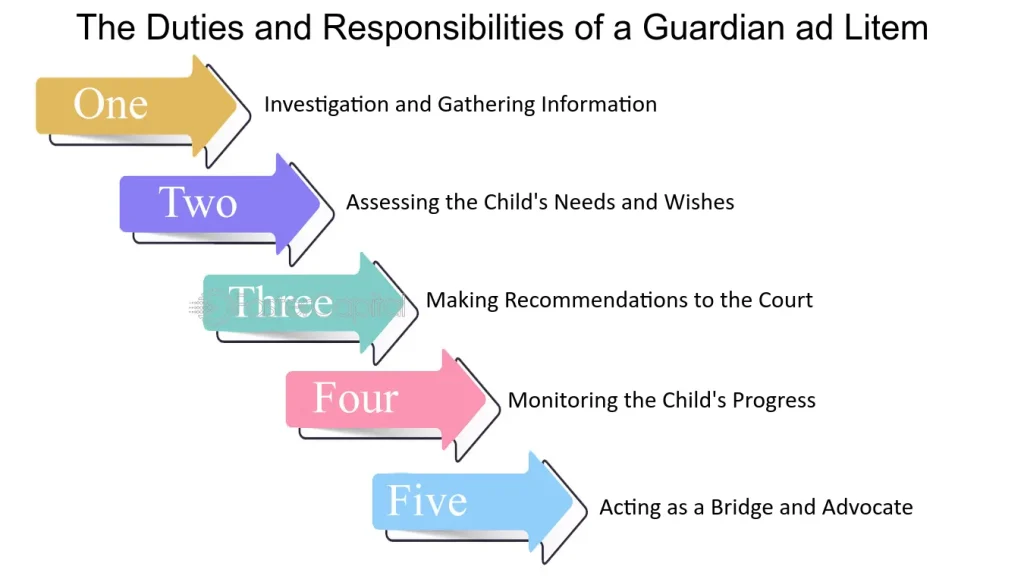
A guardian ad litem, also known as GAL, is a court-appointed individual who is responsible for representing the best interests of a child in legal proceedings. They play a crucial role in cases involving child custody disputes, abuse, neglect, or other matters that impact the child’s well-being. As a guardian ad litem, it is essential to ask the right questions to gather information and make informed recommendations to the court.
When it comes to guardian ad litem questions, there is no one-size-fits-all approach. The questions asked may vary depending on the specific circumstances of the case. However, there are certain key areas that a guardian ad litem should cover during their investigation. These areas include the child’s physical and emotional well-being, the parents’ ability to meet the child’s needs, the child’s relationship with each parent, and any potential risks or concerns.
In order to provide a comprehensive list of guardian ad litem questions, we have compiled a selection below. These questions can serve as a starting point for gathering information and assessing the child’s best interests. It is important to note that these questions should be tailored to the specific case and additional questions may be necessary:
See these guardian ad litem questions
- What is the current living arrangement for the child?
- How does the child communicate their wants and needs?
- What is the child’s relationship like with each parent?
- Are there any allegations of abuse or neglect?
- What is the child’s relationship with siblings?
- How does the child perform academically?
- Does the child have any special needs or medical conditions?
- Has the child been exposed to any traumatic events?
- What is the child’s relationship with extended family members?
- How does the child handle transitions between households?
- Is there a history of substance abuse or addiction in either parent?
- What is the child’s support system outside of the parents?
- Has the child been involved in any counseling or therapy?
- How do the parents communicate and cooperate with each other?
- Is there a history of domestic violence?
- How does the child interact with each parent individually?
- Does the child have any preferences regarding custody arrangements?
- Has the child been involved in any legal proceedings before?
- What is the child’s routine and schedule like?
- Is the child involved in any extracurricular activities?
- What is the child’s overall emotional well-being?
- Are there any concerns about the child’s safety or welfare?
- How do the parents handle discipline and boundaries?
- What is the child’s relationship with friends and peers?
- Has the child been consistent in attending school?
- Are there any concerns about parental alienation?
- What is the child’s opinion of the current custody arrangement?
- How do the parents involve the child in decision-making?
- Has the child witnessed any conflicts between the parents?
- What is the child’s relationship like with step-parents or significant others?
- Are there any concerns about the child’s mental health?
- How do the parents handle disagreements or conflicts?
- What is the child’s relationship with other caregivers, such as babysitters or daycare providers?
- Has the child been involved in any illegal activities?
- What is the child’s relationship with pets or animals?
- Are there any concerns about the child’s educational needs being met?
- How do the parents handle visitation exchanges?
- Has the child been exposed to any harmful substances?
- What is the child’s relationship with teachers or school counselors?
- Are there any concerns about the child’s social skills or behavior?
- How do the parents handle disagreements about religious or cultural practices?
- Has the child expressed any concerns or fears?
- What is the child’s relationship like with neighbors or community members?
Remember, this list of guardian ad litem questions is not exhaustive, and additional questions may be necessary depending on the specific circumstances of the case. The goal is to gather as much relevant information as possible to ensure the best interests of the child are represented in court.






