
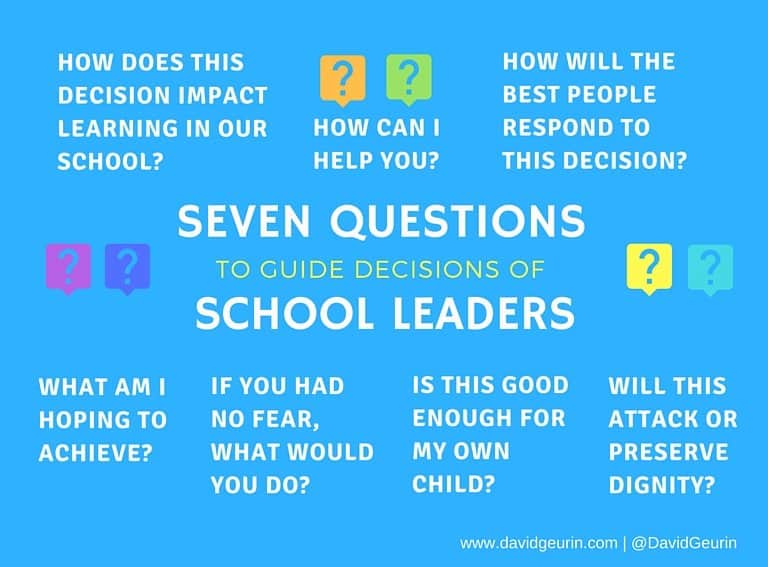
Guiding questions are powerful tools that can help individuals or groups navigate through complex topics, analyze information, and arrive at insightful conclusions. These questions serve as a roadmap, guiding individuals towards a deeper understanding and critical thinking. Whether used in a classroom setting, a business meeting, or personal reflection, guiding questions provide a framework for exploration, analysis, and problem-solving.
By asking the right guiding questions, individuals can unlock new perspectives, challenge assumptions, and uncover hidden possibilities. These questions encourage curiosity, promote active listening, and foster meaningful conversations. They can help individuals to break down complex problems into manageable parts, clarify thoughts, and identify alternative solutions.
Furthermore, guiding questions can be used as a tool for self-reflection and personal growth. By asking ourselves these questions, we can gain clarity about our values, beliefs, and aspirations. They can also help us identify areas for improvement, set goals, and develop action plans.
See these guiding questions
- What are the main factors contributing to this issue?
- What are the potential consequences of this decision?
- How can we approach this problem from a different angle?
- What assumptions are we making in this situation?
- What evidence supports this argument?
- What are the underlying causes of this trend?
- What are the ethical considerations involved?
- How does this relate to our long-term goals?
- What are the potential risks and rewards?
- What resources do we need to accomplish this?
- What are the key challenges we will face?
- What are the possible solutions to this problem?
- What are the implications of taking no action?
- What are the different perspectives on this issue?
- What are the immediate steps we can take?
- What are the long-term implications of this decision?
- What are the potential barriers to success?
- What can we learn from past experiences?
- What are the implications for different stakeholders?
- What are the unintended consequences of this action?
- What are the possible alternatives?
- What are the short-term and long-term goals?
- What are the potential benefits for all parties involved?
- What are the cultural considerations in this situation?
- What are the constraints we need to work within?
- What are the assumptions underlying this theory?
- What are the key lessons learned from this experience?
- What are the potential trade-offs?
- What are the implications for future generations?
- What are the key success factors?
- What are the potential unintended consequences?
- What are the different ways to measure success?
- What are the key priorities in this situation?
- What are the potential conflicts of interest?
- What are the implications for social justice?
- What are the key drivers of change?
- What are the potential roadblocks?
- What are the lessons learned from similar situations?
- What are the implications for future decision-making?
- What are the key factors to consider in this analysis?
- What are the potential unintended consequences?
- What are the different perspectives on this issue?
- What are the implications for different stakeholders?
These guiding questions are just a starting point. By incorporating them into your discussions, reflections, and decision-making processes, you can enhance your critical thinking skills, gain new insights, and unlock innovative solutions.






