
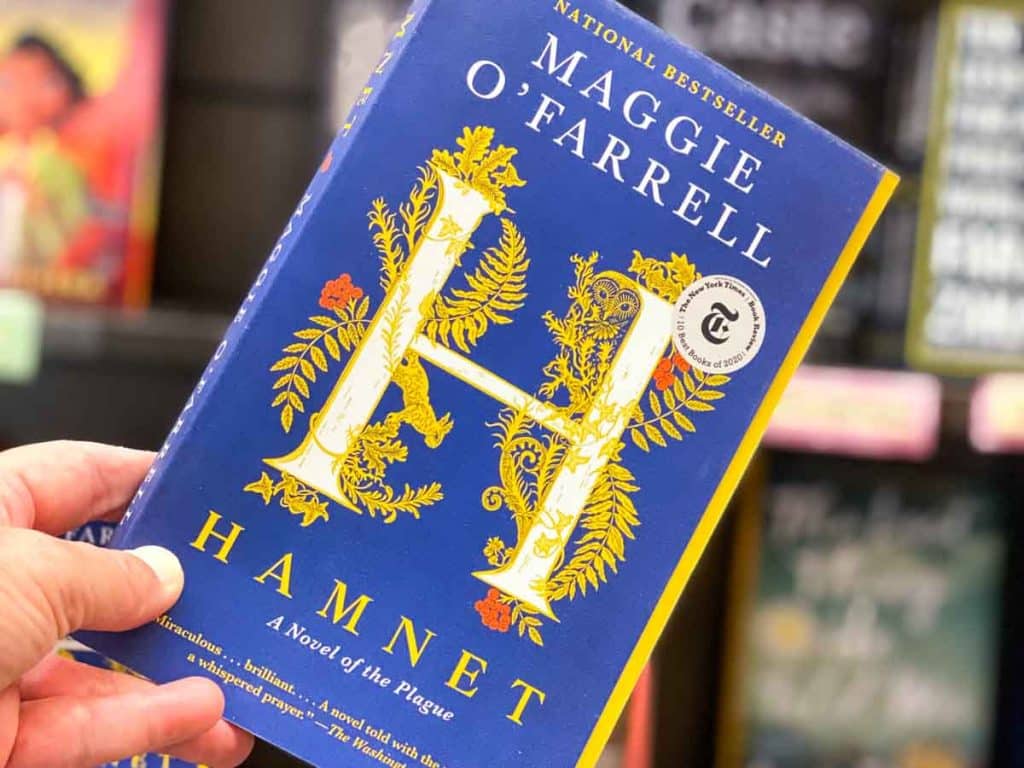
Hamnet, written by Maggie O’Farrell, is a captivating historical fiction novel that explores the life of William Shakespeare’s son, Hamnet, and the devastating loss that inspired one of the greatest literary works of all time. This thought-provoking book delves into themes of grief, family, love, and the power of imagination. If you’re hosting a book club discussion on Hamnet, here are some thought-provoking questions to help guide your conversation.
1. How does the author’s decision to name the book after Hamnet rather than Shakespeare impact your perception of the story?
2. O’Farrell chose to tell the story in two different timelines – one before Hamnet’s death and one after. How does this narrative structure enhance the overall reading experience?
3. The novel is centered around the bond between a mother and her son. How does Agnes’ relationship with Hamnet shape the story?
See these Hamnet Book Club Questions
- 4. How does Shakespeare’s absence for most of the novel affect your understanding of his character?
- 5. Discuss the role of grief in the story. How does each character cope with their loss?
- 6. What do you think about the portrayal of Agnes as a healer and her connection to nature?
- 7. How does the author’s use of vivid imagery enhance the storytelling?
- 8. In what ways does the book explore the theme of fate and destiny?
- 9. Discuss the significance of the recurring motif of the black plague throughout the novel.
- 10. How does the author incorporate elements of Shakespeare’s plays into the narrative?
- 11. Analyze the character of Judith and her relationship with her twin brother.
- 12. How does the author capture the essence of 16th-century England in her writing?
- 13. Discuss the theme of sacrifice and its importance in the story.
- 14. How does the author explore the power dynamics between men and women in the novel?
- 15. Analyze the role of superstition in the characters’ lives.
- 16. How does O’Farrell use language and dialogue to bring the characters to life?
- 17. Discuss the significance of the ghostly presence in the novel.
- 18. How does the author explore the concept of storytelling and its impact on the characters?
- 19. Analyze the theme of grief and its different manifestations throughout the novel.
- 20. How does the setting of Stratford-upon-Avon contribute to the overall atmosphere of the story?
- 21. Discuss the theme of love and its various forms in the book.
- 22. Analyze the character of Susanna and her role as the eldest daughter of the family.
- 23. How does the book challenge traditional gender roles and expectations?
- 24. Discuss the significance of the title and its connection to the story.
- 25. Analyze the relationship between Shakespeare and his wife, Agnes.
- 26. How does the author explore the concept of grief as a transformative experience?
- 27. Discuss the role of imagination and creativity in the novel.
- 28. Analyze the character of Hamnet and his impact on the other characters.
- 29. How does O’Farrell’s writing style contribute to the overall tone of the book?
- 30. Discuss the theme of loss and its effects on the characters’ lives.
- 31. Analyze the symbolism of the garden and its significance in the story.
- 32. How does the author explore the theme of motherhood throughout the novel?
- 33. Discuss the role of dreams and visions in the characters’ lives.
- 34. Analyze the character of Agnes and her strengths and vulnerabilities.
- 35. How does the author depict the grief of a parent losing a child?
- 36. Discuss the theme of forgiveness and its importance in the story.
- 37. Analyze the role of religion and spirituality in the characters’ lives.
- 38. How does the book explore the concept of legacy and its lasting impact?
- 39. Discuss the significance of the hare and its connection to the characters.
- 40. Analyze the theme of acceptance and its role in the characters’ journeys.
These Hamnet book club questions are designed to spark engaging discussions about the various themes and elements of the novel. Use them as a starting point for deeper exploration of the characters, plot, and historical context. Happy reading and discussing!






