
When it comes to relationships, communication is key. However, sometimes misunderstandings and miscommunications can arise, leading to the infamous “he said she said” situations. These scenarios often occur when two individuals have conflicting accounts of an event, leaving both parties feeling confused and frustrated. In this article, we will delve into the world of “he said she said” questions, exploring their impact on relationships and providing insights on how to navigate through them.
At the core of “he said she said” questions lies the challenge of unraveling the truth. Both individuals involved may firmly believe in their version of events, leading to a deadlock in resolving the issue. These situations can range from minor disagreements to more serious disputes, but regardless of the severity, they can strain relationships and hinder healthy communication.
So, why do “he said she said” questions arise? One reason is the fallibility of memory. Each person experiences and interprets events differently, influenced by their own biases, perceptions, and emotions. Additionally, miscommunication can occur due to misunderstandings, unclear communication, or simply forgetting certain details. These factors contribute to the formation of conflicting narratives, making it challenging to find common ground.
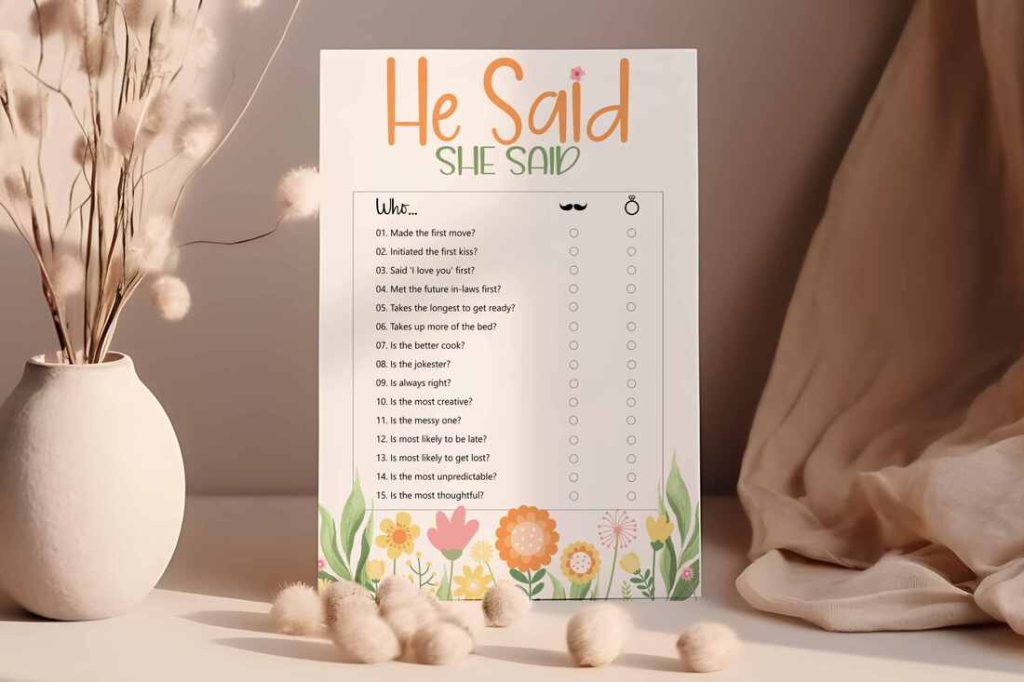
See these he said she said questions
- Who initiated the argument?
- What was the main topic of discussion during the argument?
- Did he say he would be home by 6 PM?
- Did she mention anything about the party this weekend?
- Who was responsible for forgetting to pay the bills on time?
- Did he promise to take out the trash?
- Who was the one who suggested going on vacation?
- What were the exact words used during the disagreement?
- Did she express her concerns about the project?
- Who made the decision to eat out instead of cooking dinner?
- Did he mention anything about needing help with the chores?
- Who said they would pick up the kids from school?
- Did she communicate her expectations clearly?
- Who forgot to buy groceries?
- Did he mention wanting to spend more time together?
- What were the specific actions that led to the argument?
- Did she ask for his opinion before making the decision?
- Who brought up the topic of money?
- Did he express his gratitude for her efforts?
- Who was responsible for making the dinner reservation?
- Did she mention her plans for the weekend?
- Who was supposed to call the repairman?
- Did he communicate his disappointment about the canceled plans?
- What were the exact reasons given for the disagreement?
- Did she express her desire for more quality time together?
- Who was responsible for picking up the dry cleaning?
- Did he mention his concerns about the upcoming event?
- Who forgot to make the necessary arrangements for the party?
- Did she ask for his help with the household chores?
- Who mentioned going on a date night?
- Did he communicate his frustration about the situation?
- What were the specific events that led to the argument?
- Did she consult him before making the purchase?
- Who initiated the conversation about future plans?
- Did he express his opinion on the matter?
- Who was responsible for sending the RSVP?
- Did she mention her concerns about the project deadline?
- Who forgot to feed the pets?
- Did he mention his desire to spend more time with friends?
- What were the exact statements made during the disagreement?
- Did she express her dissatisfaction with their current situation?
- Who was responsible for rescheduling the appointment?
- Did he communicate his excitement about the upcoming event?
These “he said she said” questions shed light on the various aspects of communication breakdowns in relationships. By addressing and resolving these questions, couples can improve their understanding of each other and strengthen their bond. Remember, open and honest communication, active listening, and empathy are key ingredients for overcoming misunderstandings and finding common ground.






