
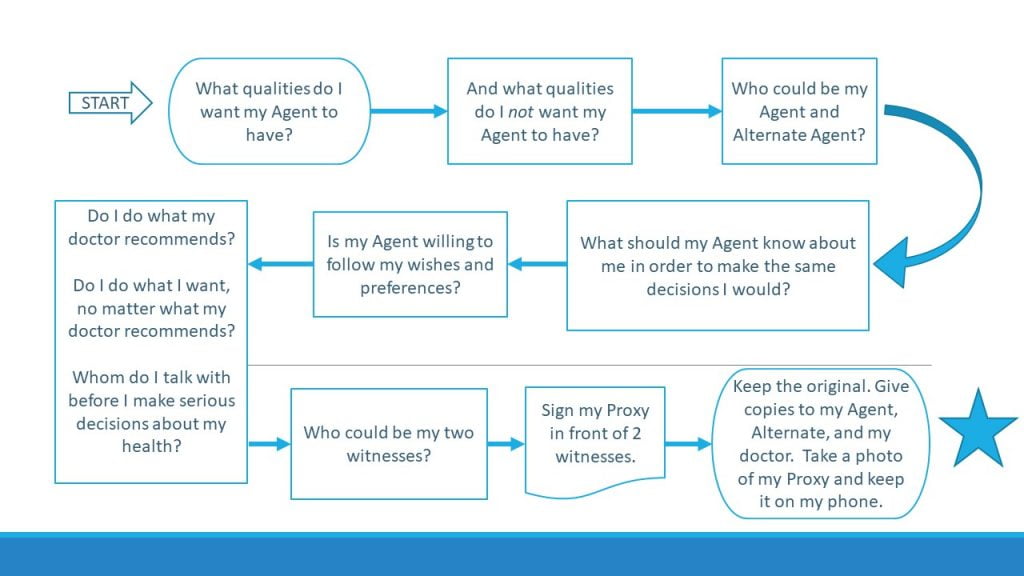
Choosing a health care proxy is an important decision that involves selecting someone you trust to make medical decisions on your behalf if you become unable to do so. It is crucial to have open and honest conversations with your potential proxy about your values, beliefs, and preferences regarding your medical care. Asking the right questions can help you make an informed decision and ensure that your proxy understands your wishes. In this article, we have compiled a comprehensive list of health care proxy questions to assist you in this process.
Before we delve into the list of questions, it is essential to understand the role of a health care proxy. A health care proxy, also known as a medical power of attorney or a durable power of attorney for health care, is an individual designated to make medical decisions on your behalf when you are unable to do so. This person should be someone you trust implicitly and who understands your wishes regarding medical treatment.
When choosing a health care proxy, it is important to ask questions that will gauge their ability to make decisions in accordance with your desires. These questions should cover various aspects of medical care and personal beliefs. By asking these questions, you can ensure that your proxy will be the best advocate for you when it comes to medical decision-making.
See these Health Care Proxy Questions
- What is your understanding of my medical condition and treatment options?
- How comfortable are you discussing difficult medical decisions?
- Have you ever been in a situation where you had to make medical decisions for someone else?
- What are your thoughts on life-sustaining treatment?
- How do you prioritize quality of life versus prolonging life?
- Are there any specific medical treatments or interventions you would refuse on my behalf?
- Do you have any religious or cultural beliefs that may influence medical decision-making?
- How do you feel about palliative care and end-of-life support?
- What is your approach to pain management and symptom control?
- How would you handle disagreements between family members regarding my medical care?
- Are you willing to consult with medical professionals to ensure you make informed decisions?
- What is your availability and willingness to be present during medical appointments and procedures?
- Do you feel comfortable advocating for my needs and wishes with medical staff?
- How would you handle situations where my wishes are unclear or unknown?
- Would you be willing to update my advance directives if my medical condition changes?
- What are your thoughts on experimental or alternative treatments?
- How would you balance my emotional well-being with my medical needs?
- What is your understanding of the potential risks and benefits of different medical interventions?
- How would you handle situations where the medical team recommends a treatment that goes against my wishes?
- Do you have any personal experiences that may affect your ability to make objective medical decisions?
- What is your understanding of the potential costs associated with different treatments?
- How would you involve other family members or loved ones in the decision-making process?
- Do you have any conflicts of interest that may affect your ability to act in my best interest?
- What are your thoughts on organ donation and post-mortem procedures?
- How familiar are you with medical terminology and procedures?
- What is your understanding of my values and beliefs regarding medical care?
- How would you handle situations where my prognosis is uncertain?
- What is your opinion on involving complementary and alternative medicine in my care?
- Do you have any reservations about making difficult decisions on my behalf?
- How would you handle situations where my wishes conflict with those of the medical team?
- What is your understanding of the potential side effects and complications of different treatments?
- Are you comfortable advocating for pain management and symptom control if necessary?
- How would you approach discussions about my end-of-life wishes with medical professionals?
- What are your thoughts on resuscitation and life support?
- How would you balance the opinions and wishes of other family members with my own?
- Do you have any reservations about making decisions that may result in my death?
- What is your understanding of my goals and expectations for my medical care?
- How would you handle situations where there is disagreement between my wishes and those of other family members?
- Are you comfortable asking medical professionals for second opinions if necessary?
- What is your understanding of the potential benefits and drawbacks of different treatment options?
- How would you handle situations where medical treatment becomes futile?
- Do you have any concerns about the emotional toll of being a health care proxy?
- What is your understanding of my preferences regarding medical interventions?
- How would you handle situations where my condition deteriorates rapidly?
These are just a few examples of the questions you may want to ask when selecting a health care proxy. Remember, the goal is to find someone who will advocate for your wishes and values when you cannot speak for yourself. Open and honest communication is key in this process, ensuring that your proxy is well-informed and capable of making decisions in your best interest.






