
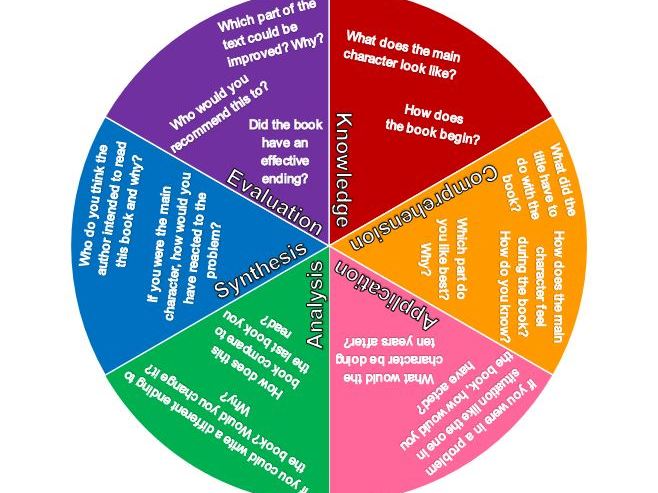
Reading comprehension is a crucial skill that allows individuals to understand and interpret written information effectively. While basic comprehension questions focus on the literal meaning of the text, higher level questions delve deeper into the text’s themes, ideas, and underlying messages. These types of questions encourage critical thinking, analysis, and a deeper understanding of the material. In this article, we will explore a variety of higher level questions that can be used to enhance reading comprehension skills.
Higher level questions for reading require readers to go beyond surface-level understanding and engage with the text on a more profound level. These questions prompt readers to analyze the author’s intentions, evaluate the credibility of the information presented, and make connections to their own experiences and knowledge. By incorporating higher level questions into reading activities, educators can foster critical thinking skills and encourage students to become active and engaged readers.
Furthermore, higher level questions for reading are not limited to educational settings; they can also be utilized by individuals who want to improve their reading comprehension skills independently. By asking themselves thought-provoking questions about what they have read, readers can deepen their understanding, develop their analytical skills, and gain a more nuanced perspective on the text.
See these Higher Level Questions for Reading
- What is the main theme of the text?
- How does the author use language to convey their message?
- What evidence does the author provide to support their argument?
- What are the underlying assumptions or biases in the text?
- What is the author’s purpose in writing this piece?
- What are the implications of the ideas presented in the text?
- What connections can you make between this text and other texts you have read?
- What are the potential counterarguments to the author’s claims?
- How does the text relate to current events or societal issues?
- What emotions does the text evoke, and why?
- What are the strengths and weaknesses of the author’s argument?
- What are the long-term consequences of the ideas presented in the text?
- How does the text challenge or reinforce your existing beliefs or knowledge?
- What are the ethical implications of the ideas expressed in the text?
- What are the key differences between this text and similar texts on the same topic?
- How does the author use rhetorical devices to persuade the reader?
- What are some possible alternative interpretations of the text?
- What questions would you ask the author if you had the opportunity?
- What evidence is missing from the text that could strengthen or weaken the author’s argument?
- How does the text challenge or contribute to existing theories or frameworks?
- How does the author’s background or experiences shape their perspective in the text?
- What are the implications of the text for a specific audience or community?
- What are the key assumptions underlying the author’s reasoning?
- What are some potential real-life applications of the ideas presented in the text?
- How does the text align with or contradict other sources of information on the same topic?
- What metaphors or symbols does the author use, and what do they represent?
- What are the potential consequences of ignoring the ideas presented in the text?
- How does the text challenge or reinforce societal norms or conventions?
- What are the limitations or gaps in the author’s research?
- What are the implications of the text for a specific industry or field?
- How does the author consider and address potential counterarguments?
- What are the potential biases or assumptions in the sources cited by the author?
- What are the implications of the text for public policy or decision-making?
- What are the potential consequences of the ideas presented in the text?
- How does the author’s perspective differ from other authors on the same topic?
- What are the potential implications of the text for future research or exploration?
- How does the text challenge or reinforce societal power structures?
- What are the potential implications of the text for personal or professional development?
- How does the author establish their credibility or expertise?
- What are the potential implications of the text for global or environmental issues?
- How does the text contribute to ongoing debates or discussions in the field?
- What are the potential consequences of the ideas presented in the text for marginalized communities?
- How does the author address potential biases or limitations in their research?
- What are the potential implications of the text for individual well-being or mental health?
These higher level questions for reading are just a starting point. By utilizing these questions and encouraging critical thinking, readers can enhance their comprehension skills and gain a deeper understanding of the texts they encounter.






