
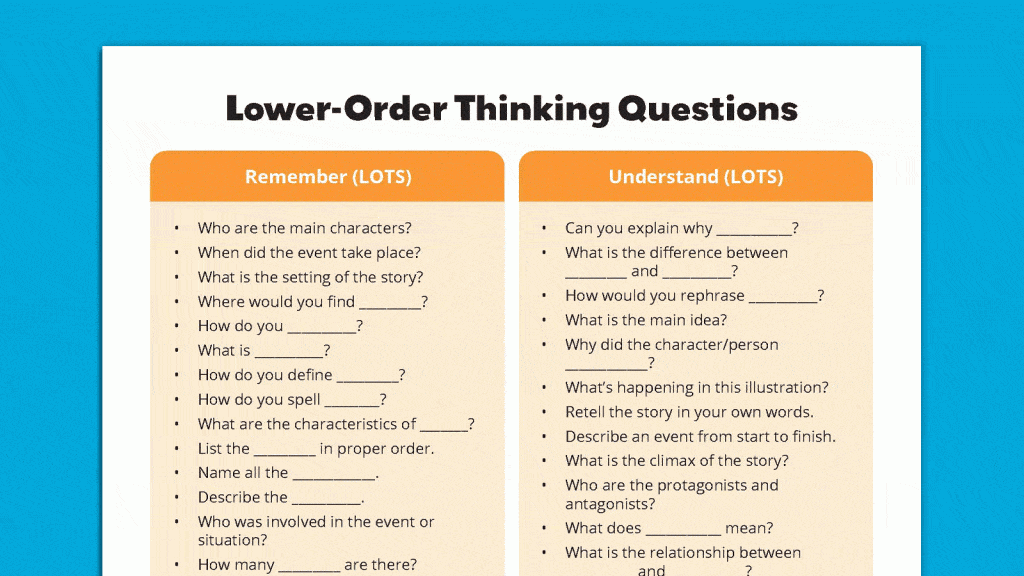
Higher level thinking questions are designed to encourage critical thinking, problem-solving, and analytical skills. These types of questions require students to go beyond simple recall and demonstrate their understanding of a topic by applying knowledge, analyzing information, and evaluating different perspectives. By asking higher level thinking questions, educators can challenge students to think deeply, explore new ideas, and develop a deeper understanding of the subject matter.
In this article, we will explore a variety of higher level thinking questions examples that can be used in the classroom or during discussions to promote critical thinking and engage students in meaningful conversations.
Whether you are an educator looking for ideas to stimulate classroom discussions or a student looking to enhance your critical thinking skills, these higher level thinking questions examples will help you get started.
See these Higher Level Thinking Questions Examples
- How can we apply this concept to real-world situations?
- What are the underlying assumptions in this argument?
- What evidence supports this conclusion?
- How does this relate to what we have learned previously?
- What are the potential consequences of this decision?
- How would you solve this problem differently?
- What are the ethical implications of this action?
- What are the main strengths and weaknesses of this theory?
- How does this information challenge our current beliefs?
- What alternative solutions could be considered?
- What are the potential biases in this research?
- How does this relate to the larger societal issues?
- What are the different perspectives on this issue?
- What would happen if we changed the variables in this experiment?
- How does this compare to similar concepts in other fields?
- What are the implications of this discovery?
- How does this information change our understanding of the topic?
- What are the limitations of this study?
- What evidence would you need to support this hypothesis?
- What are the potential implications for future research?
- How does this concept apply to different cultures?
- What are the key factors influencing this outcome?
- How does this information challenge the status quo?
- What are the long-term effects of this decision?
- What are the possible solutions to this problem?
- How does this theory explain contradictory evidence?
- What are the practical applications of this concept?
- How does this information relate to current events?
- What are the implications for policy-making?
- What are the potential biases in this argument?
- How does this support or challenge existing theories?
- What are the different ways to interpret this data?
- How does this concept apply to everyday life?
- What are the key assumptions in this model?
- How does this information change our perspective?
- What are the possible unintended consequences?
- How does this research impact future studies?
- What are the practical implications of this finding?
- How does this information apply to different age groups?
- What are the potential flaws in this argument?
- How does this theory explain outliers in the data?
- What are the real-world applications of this concept?
- How does this information relate to historical events?
These higher level thinking questions examples are just a starting point. By incorporating them into your discussions or lesson plans, you can encourage critical thinking, stimulate curiosity, and foster deeper understanding among your students. Remember to adapt the questions to suit the specific topic or context, and create an environment that encourages students to explore, analyze, and evaluate ideas. With these higher level thinking questions, you can empower your students to become active learners and thinkers.






