
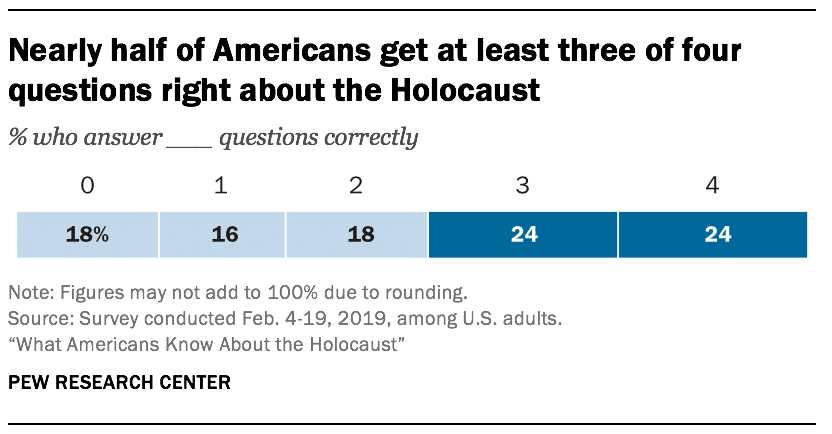
The Holocaust, one of the darkest periods in human history, continues to be a topic of immense importance and significance. As we strive to remember and learn from this tragic event, it is crucial to ask essential questions that help us comprehend its complexities and ensure that such atrocities are never repeated. In this article, we will explore a list of Holocaust essential questions that delve into the various aspects of this historical event.
The Holocaust Essential Questions:
See these Holocaust Essential Questions
- What were the causes and contributing factors to the rise of the Nazi regime?
- How did Adolf Hitler and the Nazi Party gain power in Germany?
- What role did propaganda play in promoting anti-Semitism and the persecution of Jews?
- What were the Nuremberg Laws, and how did they impact Jewish citizens?
- What was the purpose and significance of Kristallnacht?
- How did the ghettos function and what were the living conditions like?
- What were the major concentration camps during the Holocaust?
- What was the role of Auschwitz in the extermination of millions of Jews?
- How were Jews and other targeted groups transported to concentration camps?
- What was the purpose and operation of the gas chambers?
- What was the process of selection upon arrival at concentration camps?
- What were the medical experiments conducted on prisoners?
- How did the Nazis attempt to cover up evidence of their crimes?
- What was the role of the Einsatzgruppen in the mass shootings of Jews?
- How did the Holocaust impact European Jewish communities?
- What was the world’s response to the Holocaust as it unfolded?
- What were the experiences of non-Jewish victims during the Holocaust?
- How did the survivors cope with the aftermath of the Holocaust?
- What was the impact of the Holocaust on future generations?
- What measures have been taken to remember and honor the victims of the Holocaust?
- How has Holocaust denial and revisionism shaped public perception?
- What can we learn from the testimonies of Holocaust survivors?
- What role did collaboration play in the implementation of the Final Solution?
- How did the Holocaust affect art, literature, and culture?
- What were the experiences of children during the Holocaust?
- What was the role of the Jewish resistance movements?
- Why did some individuals risk their lives to save Jews during the Holocaust?
- What were the consequences for those who aided Jewish individuals?
- What were the attitudes of other countries towards Jewish refugees?
- How did the Holocaust impact the formation of Israel?
- What were the long-term effects of the Holocaust on Jewish identity and diaspora?
- What lessons can be learned from the Holocaust to prevent future genocides?
- How can education play a role in Holocaust remembrance and prevention?
- What is the significance of Holocaust memorials and museums?
- What are the challenges in teaching the Holocaust to younger generations?
- What is the role of technology in preserving Holocaust testimonies?
- How has the Holocaust influenced human rights movements?
- What are the psychological impacts of the Holocaust on survivors and their descendants?
- How did the Holocaust shape international laws regarding crimes against humanity?
- What are the common misconceptions and myths about the Holocaust?
- How can we ensure that the memory of the Holocaust is not forgotten?
- What are the current efforts to combat Holocaust denial?
- How has the Holocaust influenced world leaders and their policies?
Asking these essential questions about the Holocaust is vital for understanding the magnitude of this horrific event and its impact on our world. By seeking answers and fostering education about the Holocaust, we can honor the memories of the victims, prevent the recurrence of such atrocities, and promote a more compassionate and inclusive society. It is our responsibility to remember, learn, and act, ensuring that the Holocaust remains a stark reminder of the consequences of hatred, discrimination, and indifference.






