
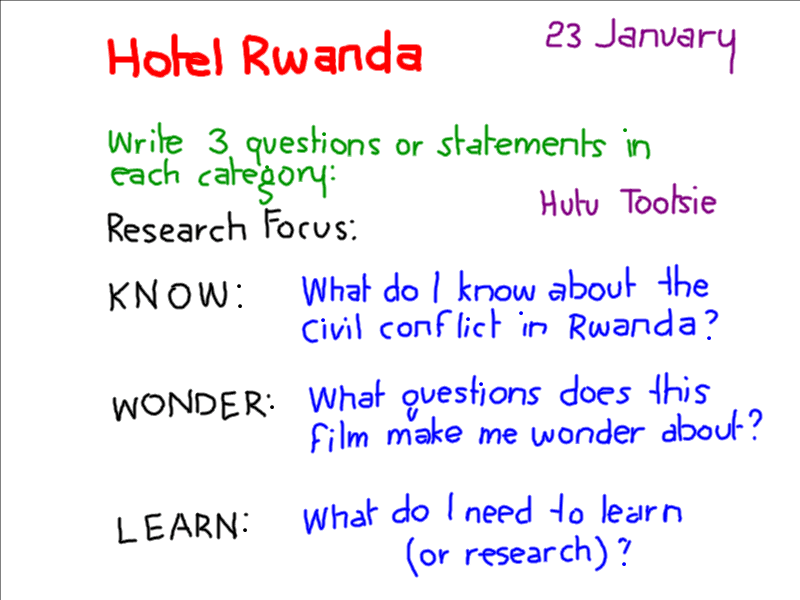
Hotel Rwanda is a powerful film that tells the true story of the Rwandan Genocide in 1994. Directed by Terry George, the movie depicts the horrifying events that took place during the genocide and follows the life of Paul Rusesabagina, a hotel manager who saved the lives of over a thousand refugees. The film raises several thought-provoking questions about humanity, ethics, and the responsibility to protect. In this article, we will explore some of the most common questions that arise after watching Hotel Rwanda.
One of the key questions that the movie raises is the role of the international community during times of crisis. The genocide in Rwanda claimed the lives of approximately 800,000 people in just 100 days, yet the international response was minimal. This raises questions about the moral obligations of powerful nations to intervene and prevent such atrocities. Should the international community have done more to stop the genocide in Rwanda? What are the consequences of inaction in the face of genocide?
Another important question that arises from the film is the power of individuals to make a difference. Paul Rusesabagina, played by Don Cheadle, risked his own life and used his position as a hotel manager to save as many people as he could. His actions show the impact that one person can have in the face of adversity. This raises questions about personal responsibility and the choices that individuals make in difficult circumstances. What would you have done in Paul’s position? Can one person really make a difference in the face of such overwhelming violence?
See these Hotel Rwanda Movie Questions
- What were the main causes of the Rwandan Genocide?
- How did Paul Rusesabagina manage to protect so many people?
- What is the significance of the hotel as a safe haven during the genocide?
- How did the international community respond to the genocide?
- What roles did ethnicity and tribalism play in the conflict?
- What were the consequences of the genocide for Rwanda?
- Did any other individuals play a significant role in saving lives during the genocide?
- What were the challenges faced by Paul Rusesabagina in protecting the refugees?
- How did the genocide impact the mental and emotional well-being of the survivors?
- What lessons can be learned from the events depicted in the film?
- How did the international media cover the genocide?
- What was the role of the United Nations during the genocide?
- How did the genocide affect the relationship between Hutus and Tutsis in Rwanda?
- What efforts have been made to bring justice to the perpetrators of the genocide?
- What were the long-term effects of the genocide on Rwanda’s economy?
- Why do you think some individuals chose to participate in the genocide?
- What were the motivations behind Paul Rusesabagina’s actions?
- What were the reactions of the international community after the genocide?
- How did the genocide impact the children of Rwanda?
- What steps can be taken to prevent future genocides?
- What was the role of the media in fueling ethnic tensions in Rwanda?
- Why do you think the international community did not intervene to stop the genocide?
- What were the challenges faced by humanitarian organizations during the genocide?
- How did the genocide affect the social fabric of Rwandan society?
- What can be done to promote reconciliation and healing in Rwanda?
- What were the impacts of the genocide on neighboring countries?
- How did the events in Hotel Rwanda compare to other genocides in history?
- What steps can be taken to prevent the recurrence of such atrocities?
- What were the political factors that contributed to the genocide?
- How did the international community’s response to the Rwandan Genocide impact future humanitarian interventions?
- What were the long-term effects of the genocide on the survivors?
- How does Hotel Rwanda contribute to our understanding of genocide?
- What were the psychological effects of the genocide on the survivors?
- What can individuals do to raise awareness about genocide and its prevention?
- How did the ethnic divide in Rwanda contribute to the genocide?
- What role did the media play in spreading hate propaganda during the genocide?
- What were the challenges faced by Paul Rusesabagina’s family during the genocide?
- How did the international community respond to the genocide after it ended?
- What were the economic implications of the genocide for Rwanda?
- How did the genocide affect the trust between different ethnic groups in Rwanda?
- What lessons can be learned from the failures of the international community in Rwanda?
- What were the long-term consequences of the genocide for the perpetrators?
These questions are just the beginning of the discussions that can arise from watching Hotel Rwanda. The film serves as a powerful reminder of the importance of learning from history and taking action to prevent such atrocities in the future.






