
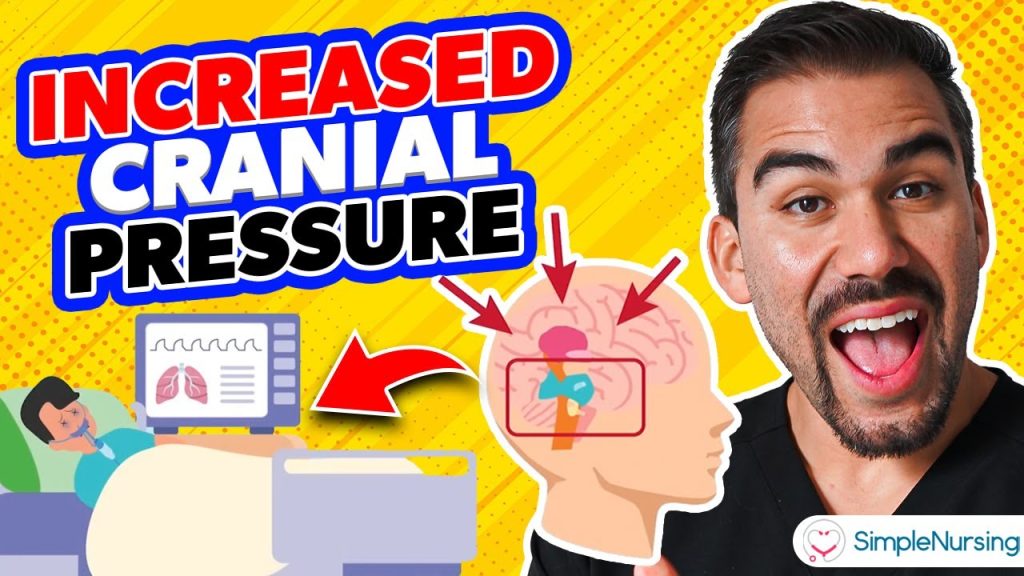
Preparing for the NCLEX exam can be a daunting task, especially when it comes to understanding and mastering the intricate details of specific topics like intracranial pressure (ICP). As a nursing student or aspiring nurse, it is crucial to have a solid grasp on ICP and its implications in patient care. To help you in your NCLEX preparation, we have compiled a comprehensive list of ICP NCLEX questions that will test your knowledge and help you succeed in the exam.
These ICP NCLEX questions have been carefully crafted to cover various aspects of intracranial pressure, including its causes, pathophysiology, signs and symptoms, assessment, interventions, and complications. By practicing these questions, you will not only enhance your understanding of ICP but also reinforce your critical thinking and decision-making skills in a clinical context.
Remember, the NCLEX exam is designed to assess your ability to apply theoretical knowledge in real-world scenarios. Therefore, it is crucial to practice as many questions as possible to strengthen your problem-solving skills and boost your confidence on exam day.
See these ICP NCLEX Questions
- What are the normal values for intracranial pressure?
- What are the primary causes of increased intracranial pressure?
- What is the Monroe-Kellie hypothesis?
- What are the signs and symptoms of increased ICP?
- How is intracranial pressure measured?
- What is the relationship between cerebral blood flow and intracranial pressure?
- What nursing interventions are appropriate for a patient with increased ICP?
- What are the complications of untreated or uncontrolled intracranial pressure?
- How does hyperventilation affect intracranial pressure?
- What is the role of osmotic diuretics in managing increased ICP?
- How does body positioning impact intracranial pressure?
- What is the purpose of a ventriculostomy in patients with increased ICP?
- What is the difference between primary and secondary brain injury?
- What are the potential causes of secondary brain injury?
- How does cerebral perfusion pressure relate to intracranial pressure?
- What is the nursing priority when caring for a patient with increased ICP?
- What are the early signs of increased intracranial pressure in infants?
- What is the role of mannitol in managing cerebral edema?
- How does the Glasgow Coma Scale help assess intracranial pressure?
- What are the complications of a decreased level of consciousness in patients with increased ICP?
- How does hypothermia therapy impact intracranial pressure?
- What is the difference between a subdural hematoma and an epidural hematoma?
- What are the indications for surgical intervention in patients with increased ICP?
- What is the purpose of an intraventricular catheter in monitoring intracranial pressure?
- What are the long-term consequences of increased intracranial pressure?
- How does the Cushing’s triad indicate increased ICP?
- What is the role of barbiturates in managing refractory intracranial hypertension?
- What are the potential complications of CSF drainage in patients with increased ICP?
- What is the difference between a contusion and a concussion?
- How does hyperosmolar therapy help reduce intracranial pressure?
- What are the nursing considerations when administering hypertonic saline to a patient with increased ICP?
- How does a lumbar drain help manage intracranial pressure?
- What are the risk factors for developing increased intracranial pressure?
- What is the role of craniotomy in treating intracranial pressure?
- What are the potential complications of a craniotomy?
- How does a ventricular shunt help manage hydrocephalus and intracranial pressure?
- What are the indications for therapeutic hypothermia in patients with increased ICP?
- What is the difference between an open and closed head injury?
- How does the use of sedatives and analgesics impact intracranial pressure?
- What are the nursing considerations when caring for a patient with an ICP monitoring device?
- What is the role of decompressive craniectomy in managing increased intracranial pressure?
- What are the potential complications of increased intracranial pressure on vision?
- How does the administration of corticosteroids impact cerebral edema?
- What are the nursing interventions for a patient with diabetes insipidus secondary to increased ICP?
These ICP NCLEX questions are just a starting point for your exam preparation. Use them as a guide to identify your strengths and weaknesses in understanding intracranial pressure. Additionally, make sure to study relevant textbooks, review class notes, and seek clarification from your instructors or peers to solidify your knowledge. With dedication and practice, you can confidently tackle any ICP-related questions that come your way on the NCLEX exam.






