
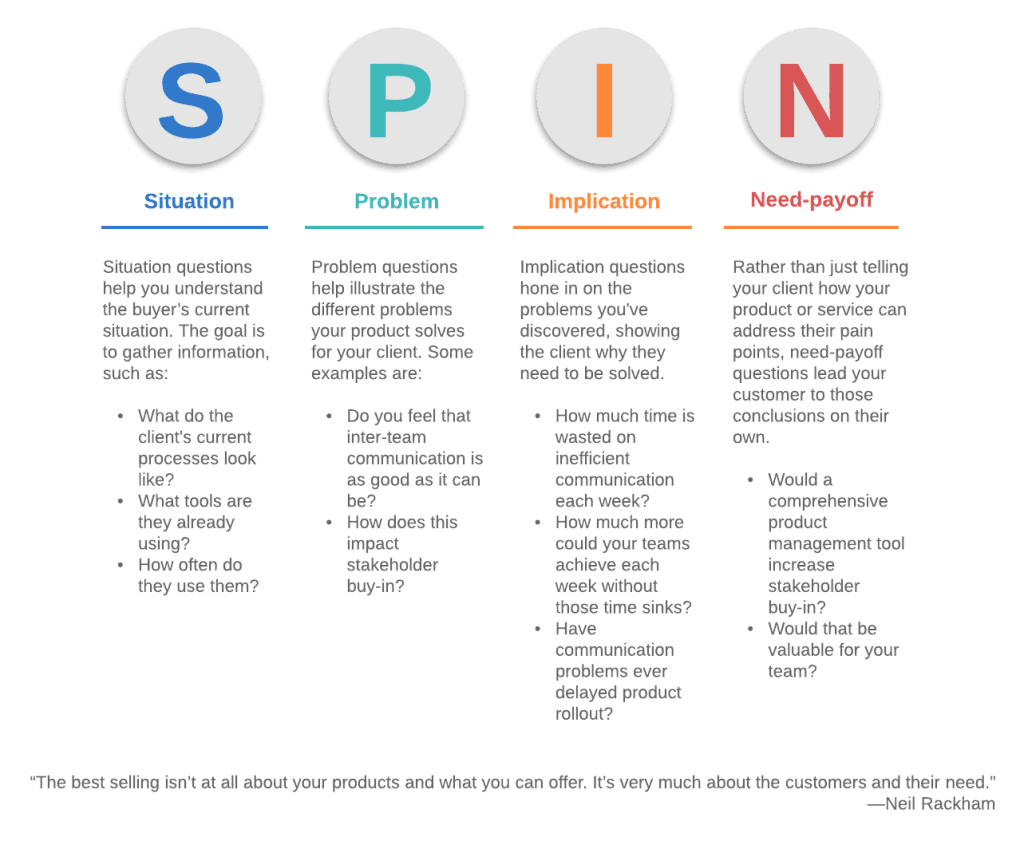
Implication questions are a powerful tool for deepening understanding and uncovering hidden meanings in conversations. These types of questions are designed to explore the consequences or implications of a statement or action, allowing for a deeper exploration of thoughts and ideas. By asking implication questions, we can encourage critical thinking, expand perspectives, and promote more meaningful and insightful discussions.
Implication questions are particularly effective in situations where there may be underlying assumptions or unspoken implications. By bringing these to the surface, we can challenge and explore different perspectives, leading to a richer and more nuanced understanding of the topic at hand.
In addition, implication questions can also help to create a safe and non-judgmental space for exploration and discovery. By asking these types of questions, we demonstrate our genuine interest in understanding others’ viewpoints and encourage them to reflect deeper on their own thoughts and beliefs.
See These Implication Questions
- What are the potential consequences of this decision?
- How might this impact different stakeholders?
- What assumptions are we making here?
- What is the underlying message behind this statement?
- What are the long-term implications of this action?
- What other perspectives should we consider?
- What are the possible unintended consequences?
- What does this imply about our values?
- How does this align with our goals?
- What might happen if we don’t take any action?
- What do we stand to gain or lose by pursuing this path?
- What are the potential risks involved?
- What does this tell us about the current situation?
- What assumptions are being challenged here?
- What would be the implications if we approached this from a different angle?
- What are the broader implications for society?
- What are the possible outcomes if we continue on this trajectory?
- What are the implications for future generations?
- What is the deeper meaning behind this metaphor?
- What are the consequences of not addressing this issue?
- How might this decision impact our reputation?
- What are the implications for our financial situation?
- What other factors should we take into consideration?
- What are the implications of ignoring the warning signs?
- What does this reveal about our priorities?
- What are the potential repercussions of this action?
- How does this fit into the bigger picture?
- What are the possible outcomes if we do nothing?
- What are the implications for our relationships?
- What are the ethical implications of this decision?
- What are the long-term effects of this policy?
- What would be the consequences if we changed our approach?
- What does this say about our organizational culture?
- What are the implications for our team dynamics?
- What are the potential benefits of taking a different course of action?
- What are the implications for our sustainability efforts?
- What does this mean for our future plans?
- What are the possible effects on employee morale?
- What are the implications of this decision for our customers?
- How might this impact our competitive advantage?
- What assumptions are we challenging with this question?
- What are the implications for our resource allocation?
- What are the potential consequences for our brand image?
- What does this reveal about our biases?
These are just a few examples of the many implication questions you can ask to promote deeper thinking and understanding in conversations. By incorporating these types of questions into your discussions, you can encourage critical analysis, challenge assumptions, and uncover new insights.






