
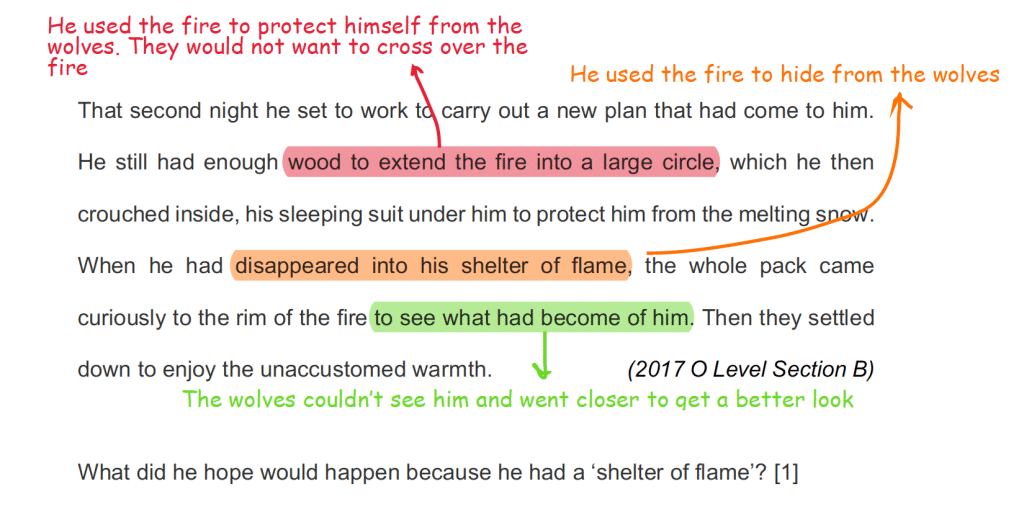
When it comes to understanding written texts, inference questions play a crucial role in testing a reader’s ability to comprehend information beyond what is explicitly stated. These types of questions require readers to make logical deductions and draw conclusions based on the given information. Inference questions are commonly found in reading comprehension tests, exams, and interviews, making it essential to develop strong inference skills. In this article, we will explore the concept of inference questions and provide a comprehensive list of examples to help you practice and improve your inference abilities.
Inference questions often require readers to analyze the context, identify implicit information, and make logical connections between different pieces of information. These questions assess your ability to read between the lines and understand the deeper meaning of a text. Inference questions can be found in various forms, such as multiple-choice questions, short answer questions, or open-ended questions that require a detailed response.
Developing strong inference skills not only enhances your reading comprehension abilities but also helps you become a critical thinker. By mastering the art of making logical deductions, you can better understand complex texts, solve problems, and make informed decisions. Now, let’s dive into a list of inference questions and answers to help you practice this essential skill.
See these inference questions and answers:
- What can be inferred from the character’s actions?
- Based on the information provided, what conclusion can you draw?
- What is the author implying by using specific language in this passage?
- What can you infer about the character’s personality from their dialogue?
- What conclusion can you draw about the main character’s motivation?
- What can be inferred from the tone of the passage?
- Based on the evidence provided, what can you deduce about the outcome?
- What conclusion can you draw about the author’s perspective on the subject?
- What can be inferred from the historical context of the text?
- Based on the details mentioned, what can you gather about the setting?
- What conclusion can you draw about the relationship between the two characters?
- What can be inferred about the protagonist’s past based on their actions?
- Based on the information provided, what can you deduce about the theme of the story?
- What conclusion can you draw about the intended audience of the text?
- What can be inferred from the author’s use of symbolism in the passage?
- Based on the dialogue, what can you gather about the character’s feelings?
- What conclusion can you draw about the author’s purpose in writing this text?
- What can be inferred about the character’s future based on their current situation?
- Based on the details provided, what can you deduce about the outcome of the experiment?
- What conclusion can you draw about the author’s attitude towards the topic?
- What can be inferred about the protagonist’s intentions based on their thoughts?
- Based on the context, what can you gather about the historical period?
- What conclusion can you draw about the character’s decision based on their inner turmoil?
- What can be inferred about the author’s message in this poem?
- Based on the evidence, what can you deduce about the suspect’s alibi?
- What conclusion can you draw about the character’s transformation throughout the story?
- What can be inferred about the society portrayed in the text?
- Based on the details mentioned, what can you gather about the character’s background?
- What conclusion can you draw about the author’s viewpoint on the issue?
- What can be inferred about the main character’s feelings based on their actions?
- Based on the information provided, what can you deduce about the cause of the problem?
- What conclusion can you draw about the author’s intention in including this detail?
- What can be inferred about the character’s relationship with their family based on their interactions?
- Based on the context, what can you gather about the cultural norms?
- What conclusion can you draw about the impact of the event on society?
- What can be inferred about the author’s opinion on the controversial topic?
- Based on the evidence, what can you deduce about the character’s true identity?
- What conclusion can you draw about the character’s future based on their aspirations?
- What can be inferred about the society’s values based on the characters’ actions?
- Based on the details mentioned, what can you gather about the character’s motivations?
- What conclusion can you draw about the author’s belief in fate?
- What can be inferred about the character’s reaction based on their body language?
- Based on the information provided, what can you deduce about the solution to the problem?
- What conclusion can you draw about the author’s intention in using humor in this scene?
Practicing inference questions and answers regularly will sharpen your ability to understand texts at a deeper level. By honing your inference skills, you will become a more effective reader and critical thinker. Remember to analyze the context, identify implicit information, and make logical connections when answering inference questions. Happy practicing!






