
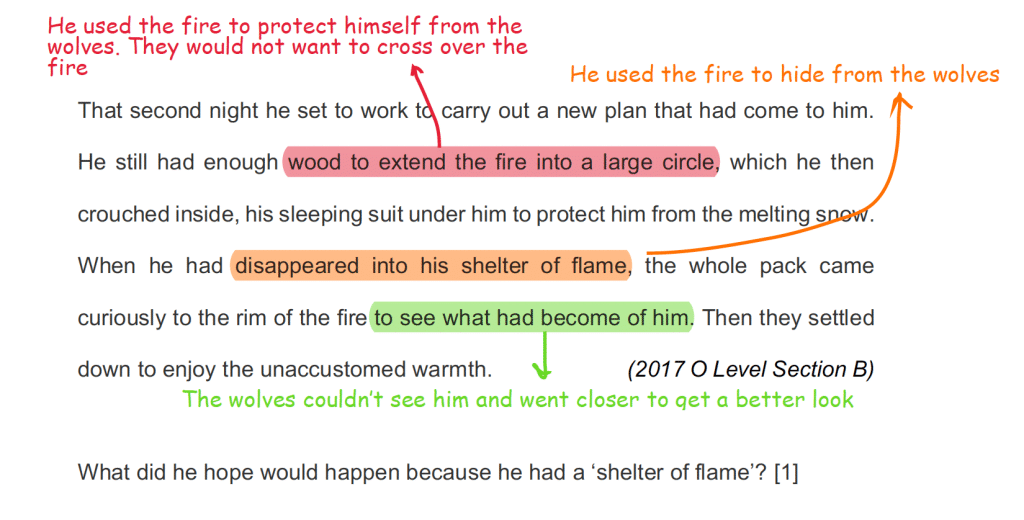
Reading comprehension is a crucial skill that plays a significant role in both academic and professional success. It involves understanding, analyzing, and interpreting written text to extract meaning and gather information. However, mere comprehension of the text is not enough; the ability to make inferences is equally important. Inferential questions are designed to test a reader’s ability to go beyond the surface level of a text and infer information that is not explicitly stated. These types of questions require critical thinking and the ability to draw conclusions based on implied or indirect information.
When faced with inferential questions, readers are required to use their prior knowledge, context clues, and logical reasoning to answer them correctly. Inferential questions often require readers to make connections between different parts of the text, identify the author’s purpose, or determine the implicit meaning of certain words or phrases. They challenge readers to think beyond what is directly stated and delve deeper into the text for a comprehensive understanding.
Developing inferential questioning skills can greatly enhance reading comprehension abilities. By learning how to ask and answer these types of questions, readers become more engaged and active participants in the reading process. They learn to think critically, analyze information, and draw logical conclusions. Moreover, inferential questions promote higher-order thinking skills that are essential for success in academic and professional settings.
See these inferential questions reading comprehension
- What can you infer about the main character’s personality from their actions?
- What is the author implying by using the word “suddenly” in this sentence?
- Based on the information provided, what do you think will happen next?
- What is the author’s purpose in including this particular detail?
- What can you conclude about the setting based on the description provided?
- Why do you think the author chose to present the information in this order?
- What emotions do you think the character is experiencing in this scene?
- What is the author trying to convey through the use of figurative language?
- What might be the underlying message of this passage?
- What can you infer about the relationship between the two characters based on their dialogue?
- What is the author suggesting by including this historical reference?
- What predictions can you make based on the evidence presented so far?
- What do you think the author wants readers to take away from this paragraph?
- What is the significance of the symbolism used in this passage?
- What conclusions can you draw about the author’s viewpoint on this topic?
- Why do you think the author chose to end the story with this particular sentence?
- What do you think is the main idea of this paragraph?
- What can you infer about the character’s motivations based on their thoughts?
- What is the author suggesting by using a metaphor in this sentence?
- What connections can you make between this text and your own experiences?
- What do you think the author means by using the word “irony” in this context?
- What do you think will be the consequences of the character’s actions?
- What can you conclude about the author’s attitude towards the topic?
- What do you think the author wants readers to feel after reading this passage?
- Why do you think the author included this specific detail in the description?
- What can you infer about the time period based on the cultural references?
- What do you think is the main message the author is trying to convey?
- What is the author implying by using a simile in this sentence?
- What connections can you make between this text and other literature you have read?
- What do you think will be the outcome of the character’s decision?
- What can you conclude about the author’s perspective on this issue?
- Why do you think the author included this dialogue between the characters?
- What can you infer about the character’s background based on their speech?
- What is the author suggesting by using repetition in this paragraph?
- What similarities can you find between this text and real-world events?
- What do you think the author means by using the word “ambiguity” in this context?
- What do you predict will happen in the next chapter based on the foreshadowing?
- What can you conclude about the author’s intentions for including this description?
- Why do you think the author chose to start the story with this particular scene?
- What do you think is the underlying theme of this entire piece of writing?
- What is the author suggesting by using an analogy in this sentence?
- What connections can you make between this text and current societal issues?
- What do you think will be the ultimate consequence of the character’s actions?
- What can you infer about the author’s beliefs based on their use of language?
- Why do you think the author included this specific event in the plot?






