
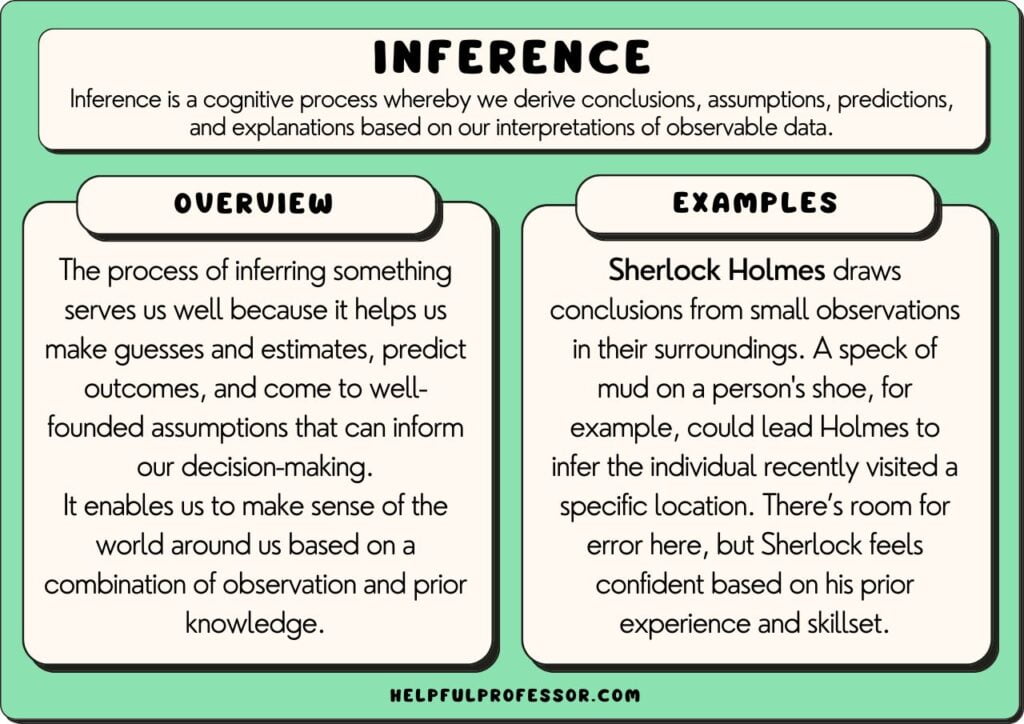
When it comes to effective communication, asking the right questions is key. While direct questions can provide straightforward answers, sometimes it is necessary to go beyond the surface and delve deeper into the context. This is where inferring questions come into play. By asking inferring questions, we can gather valuable insights, uncover hidden meanings, and better understand the situation at hand.
Inferring questions are designed to encourage critical thinking and prompt individuals to make informed assumptions based on available evidence. These questions require us to read between the lines, consider multiple perspectives, and draw logical conclusions. They are particularly useful in situations where information may not be explicitly stated, but rather implied or suggested.
Whether you are conducting an interview, engaging in a conversation, or analyzing a text, inferring questions can help you gain a deeper understanding of the subject matter. By using these questions, you can unearth underlying motives, decipher implicit messages, and enhance your overall comprehension.
See these inferring questions
- What might be the underlying reason for this action?
- What evidence supports this assumption?
- What can we infer from the speaker’s tone?
- How does this situation relate to previous experiences?
- What emotions might the protagonist be experiencing?
- What are the possible consequences of this decision?
- What values or beliefs are reflected in this statement?
- What can we conclude based on the available facts?
- What is the author implying with this metaphor?
- What might be the intended message behind this advertisement?
- What assumptions can we make based on the historical context?
- What are the potential implications of this scientific discovery?
- What is the significance of the recurring symbol in the text?
- What conclusions can we draw from the data presented?
- What can we infer about the speaker’s intentions?
- What is the underlying theme of this poem?
- What might be the reason behind this sudden change in behavior?
- What can we deduce from the character’s actions?
- What are the potential consequences of this policy?
- What does this detail reveal about the character’s personality?
- What assumptions can we make based on the evidence provided?
- What might be the intended outcome of this experiment?
- What can we gather from the context of the conversation?
- What is the speaker implying with this figurative language?
- What connections can we make between this event and historical events?
- What can we infer about the author’s perspective?
- What possible interpretations can we derive from this artwork?
- What underlying motives might be driving this decision?
- What implications does this statement have for society?
- What conclusions can we draw from the protagonist’s inner thoughts?
- What can we infer about the character’s background based on their dialogue?
- What might be the intended effect of this rhetorical device?
- What assumptions can we make based on the cultural context?
- What can we predict based on the clues provided?
- What emotions does this piece of music evoke?
- What can we infer about the speaker’s intentions based on their body language?
- What connections can we make between this text and other literary works?
- What are the potential implications of this scientific theory?
- What does this choice of words suggest about the author’s perspective?
- What can we deduce from the character’s interactions with others?
- What might be the long-term effects of this environmental decision?
- What can we infer about the character’s motivations based on their actions?
- What assumptions can we make based on the social context?
These are just a few examples of the many inferring questions that can be asked in various contexts. By incorporating these questions into your conversations, interviews, or analysis, you can develop a deeper understanding of the subject matter and uncover hidden insights that may have otherwise been overlooked.






