
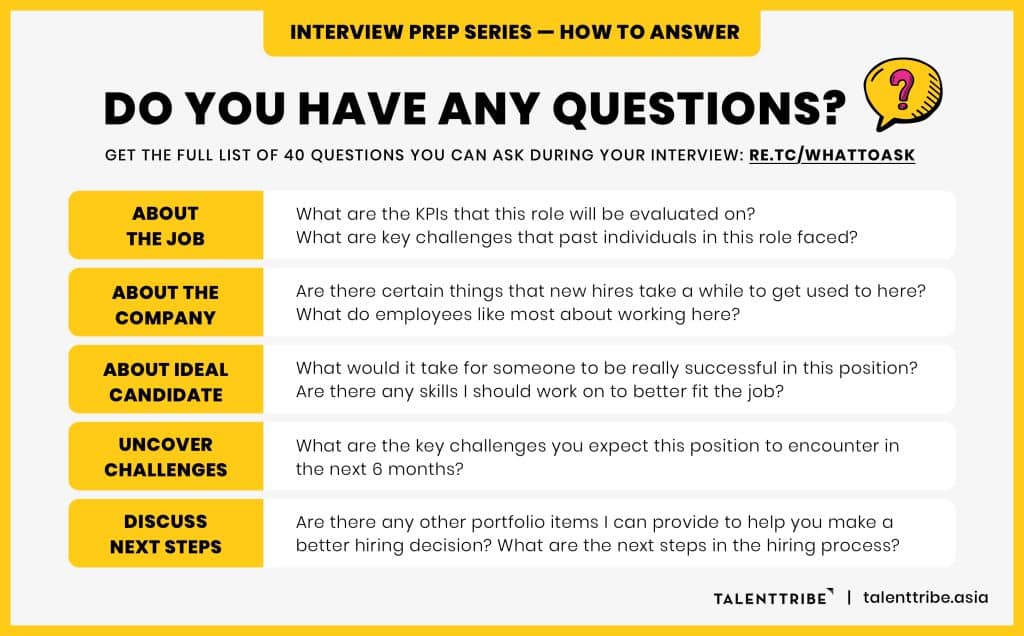
When conducting interviews or meetings, it is common for the interviewer or presenter to end with the question, “Do you have any questions?” While this may seem like a polite way to wrap up the conversation, it often leads to awkward silence or vague responses. Instead of relying on this generic question, there are more effective ways to engage and gather valuable information from your audience. In this article, we will explore alternative phrases and techniques that can be used instead of asking, “Do you have any questions?”
See these instead of asking do you have any questions:
1. Can you share any thoughts or concerns about what we discussed?
2. What additional information would be helpful for you to make a decision?
3. Are there any areas that you would like me to clarify or go into more detail?
4. How do you see this project/initiative aligning with your goals or objectives?
5. Is there anything we haven’t covered that you would like to address?
6. What challenges or obstacles do you foresee in implementing this plan?
7. Are there any specific resources or support that you would need to move forward?
8. Can you provide any insights or experiences that relate to this topic?
9. Is there anything you would like to add or contribute to the discussion?
10. What are your thoughts on the potential impact of this proposal?
11. Can you think of any alternative approaches or solutions that we haven’t considered?
12. How do you envision this idea fitting into our overall strategy?
13. Are there any examples or case studies that you would like to discuss further?
14. What are your expectations for the outcome of this project?
15. Can you provide any feedback or suggestions for improvement?
16. Is there anything you would like to explore in more depth?
17. What are the potential risks or drawbacks of this plan?
18. Can you share any insights or best practices from your previous experience?
19. Are there any specific metrics or measurements that we should consider?
20. How do you see this initiative impacting other areas of our organization?
21. Can you provide any recommendations for next steps or actions?
22. What are your thoughts on the timeline for implementation?
23. Is there anything you would like me to explain further?
24. Can you think of any potential roadblocks or challenges we may face?
25. How do you see this idea aligning with our company culture or values?
26. Are there any key stakeholders or individuals we should involve in this process?
27. Can you provide any insights on how this may affect our customers or clients?
28. What resources or support do you believe would be necessary to ensure success?
29. Is there anything we should consider that we may have overlooked?
30. How do you see this initiative contributing to our long-term goals?
31. Can you think of any potential objections or concerns from others in the organization?
32. What are your thoughts on the feasibility of this plan?
33. Are there any specific benchmarks or milestones we should set?
34. Can you provide any examples or anecdotes that relate to this topic?
35. How do you see this proposal aligning with industry trends or best practices?
36. Are there any specific measurements or outcomes that you would like to track?
37. What are your thoughts on potential collaboration or partnerships for this project?
38. Can you think of any potential risks or challenges we should address upfront?
39. Is there anything you would like to see from us in terms of support or resources?
40. How do you envision this idea impacting our team dynamics or workflow?
Asking, “Do you have any questions?” may seem like a simple way to wrap up a conversation, but it often fails to elicit meaningful responses. By using alternative phrases and techniques, you can encourage deeper engagement and gather valuable insights from your audience. The next time you find yourself concluding a meeting or interview, consider using these alternative questions to spark more thoughtful discussions and gather the information you need.






