
When it comes to becoming a certified instrument-rated pilot, one of the crucial steps is successfully completing the instrument checkride. This checkride is an examination conducted by a designated FAA examiner to ensure that the aspiring pilot possesses the necessary knowledge and skills to safely operate an aircraft in instrument meteorological conditions (IMC). During the checkride, the examiner will ask a series of instrument-related questions to test the pilot’s understanding and application of instrument flight rules (IFR), navigation, and emergency procedures.
Preparing for the instrument checkride requires thorough studying of various topics related to instrument flying. It is important for aspiring instrument-rated pilots to familiarize themselves with the types of questions that may be asked during the checkride. This article aims to provide a comprehensive list of instrument checkride questions to help you prepare effectively.
Remember, these questions are only a starting point, and it is essential to have a deep understanding of the instrument flying concepts and regulations. It is recommended to study the FAA’s Instrument Flying Handbook and other relevant resources to ensure comprehensive preparation for the instrument checkride.
See these instrument checkride questions
- What are the requirements for filing an IFR flight plan?
- What is the purpose of the instrument rating?
- Explain the difference between VFR and IFR flight.
- How does an attitude indicator work?
- What are the primary instruments in an aircraft?
- What are the different types of instrument approaches?
- Describe the procedure for an ILS approach.
- What is the purpose of a glide slope indicator?
- Explain the concept of holding patterns.
- What is the significance of the minimum en route altitude (MEA)?
- What are the requirements for conducting a GPS approach?
- What are the effects of temperature and altitude on aircraft performance?
- Describe the procedure for a missed approach.
- What is the purpose of an instrument rating currency?
- Explain the concept of true airspeed (TAS) and indicated airspeed (IAS).
- What are the types of airspace and their associated instrument requirements?
- Describe the procedure for an RNAV approach.
- What is the purpose of a compass in instrument flying?
- Explain the concept of a preflight weather briefing.
- What are the limitations of an altimeter?
- Describe the procedure for an NDB approach.
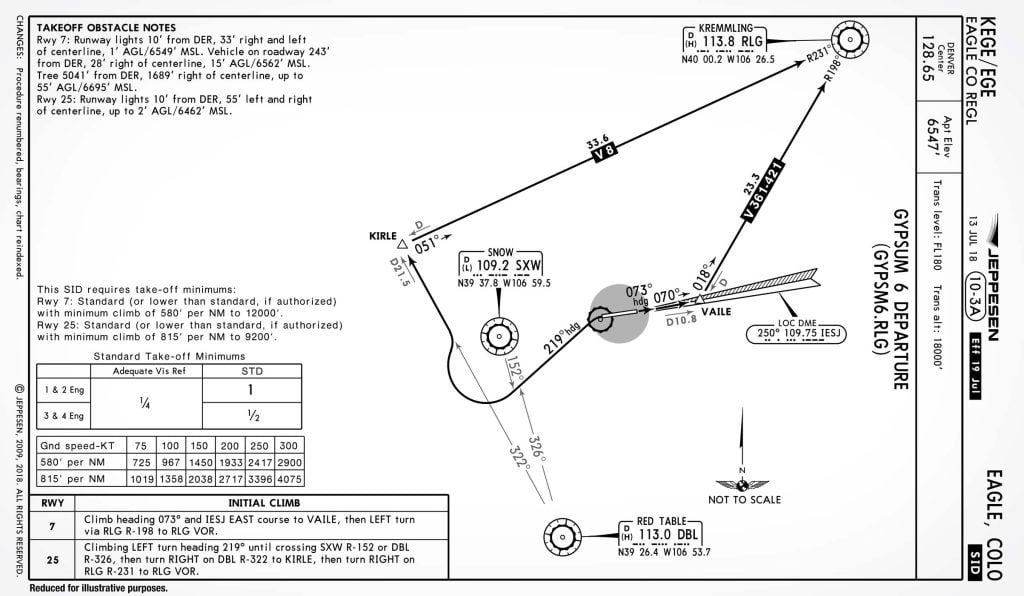
- What are the different types of instrument departures?
- What is the purpose of a vertical speed indicator (VSI)?
- Explain the concept of icing and its effects on an aircraft.
- What are the requirements for conducting a DME arc approach?
- Describe the procedure for an LOC approach.
- What is the purpose of a turn coordinator?
- Explain the concept of air traffic control (ATC) clearances.
- What are the limitations of a heading indicator?
- What are the different types of instrument arrivals?
- Describe the procedure for a visual approach slope indicator (VASI) approach.
- What is the purpose of a horizontal situation indicator (HSI)?
- Explain the concept of aeronautical decision-making (ADM).
- What are the requirements for conducting an RNAV (GPS) approach?
- Describe the procedure for a circling approach.
- What is the purpose of a turn-and-slip indicator?
- Explain the concept of controlled airspace.
- What are the limitations of a vertical speed indicator (VSI)?
- What are the different types of instrument navigation systems?
- Describe the procedure for a GPS overlay approach.
- What is the purpose of a heading indicator?
- Explain the concept of cockpit resource management (CRM).
- What are the requirements for conducting a VOR approach?
- Describe the procedure for an ILS/LOC approach.
Remember, these are just a few examples of instrument checkride questions. It is crucial to study and understand all relevant topics thoroughly to ensure success during the instrument checkride. Good luck with your preparations!






