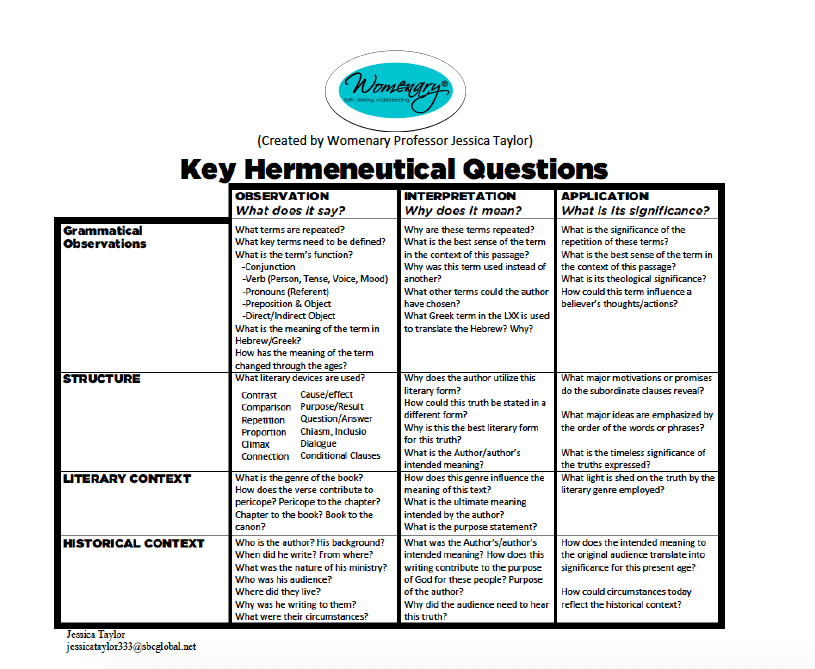
Interpretation questions are a type of question that require the reader or listener to analyze and understand the meaning of a given text or statement. These questions are commonly used in academic settings to assess comprehension and critical thinking skills. Interpretation questions often require the reader or listener to make inferences, draw conclusions, and analyze the underlying meaning of the text.
Interpretation questions can be found in a variety of contexts, including literature, history, science, and even everyday conversations. They can be used to assess a person’s ability to understand complex ideas, interpret figurative language, and identify underlying themes or messages. Answering interpretation questions effectively requires strong reading and listening skills, as well as the ability to think critically and analyze information.
Developing the ability to answer interpretation questions is crucial for academic success and lifelong learning. By learning how to analyze and interpret texts effectively, students can deepen their understanding of the subject matter and become more engaged and critical thinkers. Furthermore, interpretation questions can help individuals develop their communication skills, as they require the ability to articulate one’s thoughts and ideas in a clear and concise manner.
See these interpretation questions
What is the main theme of the story?
What does the author mean by this statement?
What is the significance of the title?
What does the symbol represent?
What is the implied meaning of the passage?
How does the character’s actions reflect their personality?
What is the author’s purpose in writing this piece?
What is the central conflict in the story?
What is the main message of the speech?
What is the tone of the poem?
What is the main argument in the article?
What is the underlying message of the painting?
How does the historical context influence the meaning of the text?
What is the author’s viewpoint on the issue?
What is the intended audience of the advertisement?
What is the metaphorical meaning of the phrase?
What is the cause and effect relationship in the passage?
How does the setting contribute to the overall meaning of the story?
What is the author’s attitude towards the subject matter?
What is the significance of the ending?
What is the moral of the fable?
What is the author’s tone in the dialogue?
What is the main idea of the paragraph?
What is the author’s perspective on the issue?
What is the author’s purpose in using figurative language?
What is the author’s tone in the essay?
What is the main point of the argument?
What is the author trying to convey through the character’s actions?
What is the author’s attitude towards the protagonist?
What is the metaphorical meaning of the symbol?
What is the author’s viewpoint on the topic?
What is the intended effect of the rhetorical question?
What is the significance of the historical event?
What is the author’s purpose in using descriptive language?
What is the main message of the documentary?
What is the author’s attitude towards the opposing viewpoint?
What is the symbolic meaning of the object?
What is the author’s perspective on the character?
What is the intended impact of the dramatic irony?
What is the significance of the scientific discovery?
What is the author’s purpose in using dialogue?
What is the main argument in the debate?
What is the author trying to convey through the use of imagery?
What is the underlying message of the novel?
What is the author’s viewpoint on the historical event?
What is the intended effect of the humorous tone?
What is the significance of the social issue?
What is the author’s purpose in using repetition?