
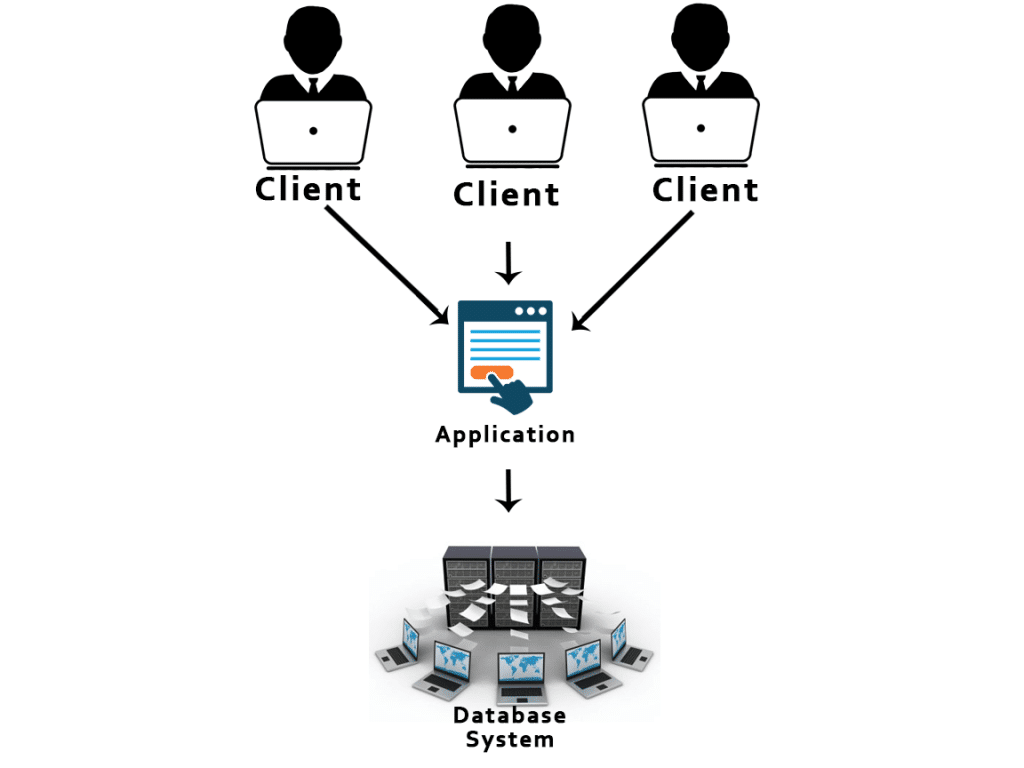
When it comes to job interviews for positions related to database management, having a strong understanding of Relational Database Management Systems (RDBMS) is crucial. RDBMS is a vital component in the world of data storage and retrieval, and employers often test candidates’ knowledge in this area during interviews. To help you prepare for your next interview, we have compiled a list of frequently asked interview questions on RDBMS.
Before diving into the interview questions, it’s important to have a basic understanding of RDBMS. RDBMS is a software system that enables users to create, manage, and manipulate relational databases. It uses a structured approach to store data in tables, with each table consisting of rows and columns. SQL (Structured Query Language) is commonly used to interact with RDBMS.
Now, let’s move on to the interview questions on RDBMS:
See these interview questions on RDBMS
- What is RDBMS, and how does it differ from DBMS?
- What are the main components of RDBMS?
- What is normalization, and why is it important in RDBMS?
- Explain the concept of primary keys and foreign keys.
- What is the difference between a clustered and a non-clustered index?
- What are the ACID properties in RDBMS?
- What is a transaction, and what are its properties?
- Explain the differences between DELETE, TRUNCATE, and DROP commands.
- What is a view, and how is it different from a table?
- What is a stored procedure, and what are its advantages?
- What are triggers in RDBMS, and how do they work?
- Explain the concept of data integrity.
- What are the different types of joins in SQL?
- What is the difference between UNION and UNION ALL?
- What is a deadlock, and how can it be prevented?
- Explain the concept of referential integrity.
- What is the purpose of the GROUP BY clause in SQL?
- What is a self-join, and when would you use it?
- What is a subquery, and how does it differ from a regular query?
- What is the difference between a candidate key and a composite key?
- Explain the concept of database normalization.
- What are the different types of constraints in RDBMS?
- What is the purpose of the HAVING clause in SQL?
- What is the difference between a unique key and a primary key?
- Explain the concept of database indexing.
- What is the purpose of the ORDER BY clause in SQL?
- What is the difference between a left join and a right join?
- What is the purpose of the DISTINCT keyword in SQL?
- Explain the differences between CHAR and VARCHAR data types.
- What is the difference between a database and a schema?
- What is the purpose of the BETWEEN operator in SQL?
- What is the difference between a clustered and a non-clustered index?
- Explain the concept of database denormalization.
- What is the purpose of the LIKE operator in SQL?
- What is the difference between a natural join and an equi-join?
- What is the purpose of the TOP or LIMIT clause in SQL?
- Explain the concept of database replication.
- What is the difference between a database and a data warehouse?
- What is the purpose of the CASE statement in SQL?
- What is the difference between an inner join and an outer join?
- Explain the concept of database partitioning.
- What is the purpose of the NULL keyword in SQL?
- What is the difference between a database and a flat file?
- What is the purpose of the COALESCE function in SQL?
This list of interview questions on RDBMS is by no means exhaustive, but it should give you a good starting point for your interview preparation. Make sure to study these questions thoroughly and practice your answers to increase your chances of success in your upcoming interview.






