
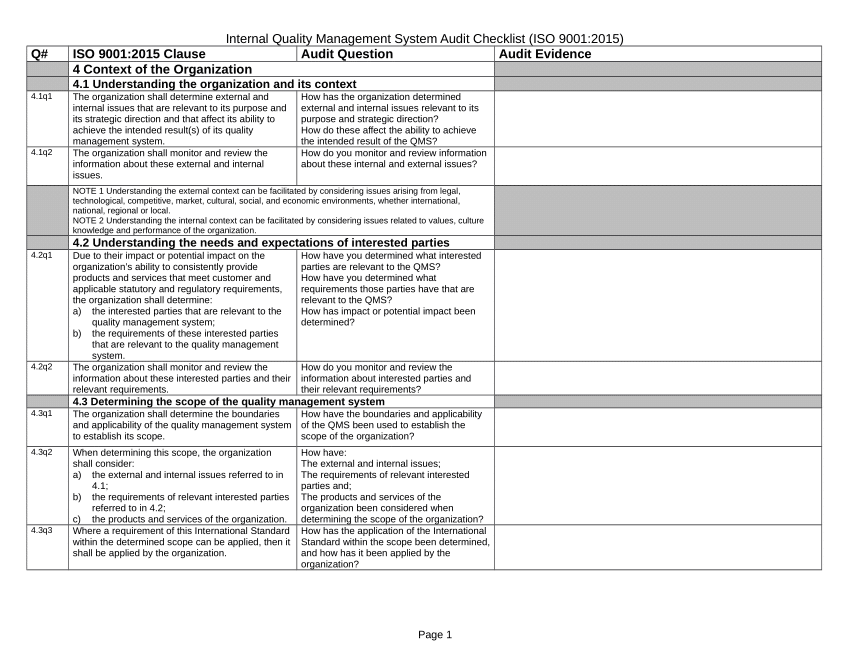
ISO audits are an essential part of maintaining quality and compliance within an organization. They help businesses identify areas for improvement, ensure adherence to industry standards, and demonstrate a commitment to delivering high-quality products and services. However, preparing for an ISO audit can be a daunting task, especially when it comes to understanding the types of questions that auditors may ask. In this article, we will explore some common ISO audit questions to help you better prepare for your next audit.
ISO audits cover various aspects such as quality management, environmental management, information security, and more. The specific questions may vary based on the ISO standard you are certified for, but there are some general questions that auditors often ask to assess compliance and identify any potential non-conformities. By familiarizing yourself with these questions, you can ensure that your organization is well-prepared and minimize the risk of non-compliance.
It is important to note that the following list of ISO audit questions is not exhaustive and should not replace a thorough understanding of the applicable ISO standard. These questions serve as a starting point and can help you assess your organization’s readiness for an ISO audit. Let’s dive into the questions:
See these ISO audit questions:
- What processes are in place to identify and address non-conformities?
- How do you ensure that employees are aware of the ISO requirements?
- Can you provide evidence of management commitment to the ISO standard?
- What measures are in place to monitor and measure customer satisfaction?
- How often are internal audits conducted, and what is the process for addressing non-conformities?
- Are there documented procedures for handling customer complaints?
- What is the process for identifying and controlling risks and opportunities?
- Can you provide evidence of regular management reviews?
- How are suppliers selected and evaluated for compliance with ISO requirements?
- What measures are in place to ensure the confidentiality and integrity of sensitive information?
- Are there documented procedures for managing corrective and preventive actions?
- What training programs are in place to ensure employees understand their roles and responsibilities?
- How are documents controlled and updated?
- Can you provide evidence of continuous improvement initiatives?
- What measures are in place to prevent product or service deviations?
- Are there procedures for handling and disposing of hazardous materials?
- How are risks and opportunities communicated to employees?
- Can you provide evidence of compliance with applicable legal and regulatory requirements?
- What measures are in place to ensure the accuracy of financial reporting?
- Are there documented procedures for managing non-conforming products or services?
- How are customer feedback and complaints analyzed and used for improvement?
- Can you provide evidence of employee competency assessments?
- What measures are in place to ensure the availability of critical infrastructure?
- Are there procedures for handling and protecting personal data?
- How do you ensure the effectiveness of outsourced processes or services?
- Can you provide evidence of employee awareness of health and safety requirements?
- What measures are in place to prevent unauthorized access to physical or digital assets?
- Are there documented procedures for managing change within the organization?
- How is the performance of suppliers monitored and evaluated?
- Can you provide evidence of regular equipment maintenance and calibration?
- What measures are in place to ensure the traceability of products or services?
- Are there procedures for handling and investigating product or service recalls?
- How are environmental impacts assessed and mitigated?
- Can you provide evidence of compliance with occupational health and safety regulations?
- What measures are in place to prevent and detect fraud?
- Are there documented procedures for managing information security incidents?
- How do you ensure the adequacy and effectiveness of infrastructure and facilities?
- Can you provide evidence of employee training on emergency preparedness?
- What measures are in place to ensure the accuracy and integrity of data?
- Are there procedures for handling and reporting ethical concerns or violations?
- How is the effectiveness of the quality management system monitored and measured?
- Can you provide evidence of compliance with industry-specific regulations?
- What measures are in place to prevent unauthorized modifications to products or services?
- Are there documented procedures for managing customer orders and contracts?
- How are customer requirements reviewed and communicated throughout the organization?
Remember, preparing for an ISO audit goes beyond just knowing the questions. It is essential to have a robust and effective management system in place to ensure compliance and drive continuous improvement. By using these questions as a foundation, you can strengthen your organization’s readiness for ISO audits and improve overall performance.






