
The Joint Commission is an independent, non-profit organization that accredits and certifies healthcare organizations and programs in the United States. As part of their accreditation process, the Joint Commission conducts surveys to assess the quality and safety of healthcare services provided by these organizations. The survey questions used by the Joint Commission are designed to evaluate compliance with standards and identify areas for improvement.
For healthcare organizations preparing for a Joint Commission survey, it is essential to familiarize themselves with the types of questions that may be asked. Having a thorough understanding of these questions can help organizations ensure that they are meeting the necessary standards and provide the best possible care to their patients.
In this article, we have compiled a comprehensive list of Joint Commission survey questions that organizations may encounter during their accreditation process. These questions cover a wide range of topics, including patient safety, infection control, medication management, and emergency preparedness, among others. By reviewing and addressing these questions, healthcare organizations can better prepare themselves for a successful survey.
See these Joint Commission survey questions
- Does the organization have a process in place to identify and respond to potential safety risks for patients?
- Are staff members trained in infection control practices?
- How does the organization ensure proper medication storage and administration?
- What emergency response procedures are in place?
- Does the organization have a system to track and monitor patient outcomes?
- Are patient privacy and confidentiality protected?
- Does the organization have a process for reporting and analyzing adverse events?
- How are patients involved in their care decisions?
- Are there mechanisms in place to prevent medication errors?
- Is there proper documentation of patient assessments and care plans?
- How does the organization ensure effective communication among staff members?
- Are there protocols in place for identifying and managing potential risks associated with medical equipment?
- What measures are taken to prevent healthcare-associated infections?
- Does the organization have policies and procedures for managing patient pain?
- How are patient rights respected and protected?
- Are there measures in place to prevent patient falls?
- What steps are taken to ensure patient education and understanding of their care?
- Does the organization have a plan for managing emergencies and disasters?
- How are surgical procedures and practices monitored and evaluated?
- Are there protocols for preventing and managing patient elopement?
- What processes are in place for ensuring the appropriate use of restraint and seclusion?
- Is there a system for reporting and analyzing near misses and close calls?
- Does the organization have a process for assessing and managing patient pain?
- How are patient complaints and grievances addressed?
- Are there policies in place for preventing and responding to workplace violence?
- What measures are taken to prevent patient identification errors?
- Does the organization have a process for managing and monitoring the use of high-alert medications?
- How does the organization ensure the proper sterilization and disinfection of medical equipment?
- Are there protocols for managing patients with communicable diseases?
- What measures are in place to prevent patient suicide?
- Does the organization have a process for identifying and managing patients at risk for falls?
- How does the organization ensure the appropriate use of anesthesia?
- Are there policies and procedures for managing patient aggression and violent behavior?
- What measures are taken to prevent medication diversion?
- Does the organization have a process for managing patients with behavioral health needs?
- How are patients’ cultural and religious beliefs respected and accommodated?
- Are there protocols for managing patients with special needs or disabilities?
- What measures are in place to prevent wrong-site, wrong-procedure, and wrong-patient surgery?
- Does the organization have a process for managing patients with substance use disorders?
- How are patients’ nutritional needs assessed and addressed?
- Are there protocols for managing patients with allergies or adverse reactions to medications?
- What measures are taken to prevent healthcare-associated pressure ulcers?
- Does the organization have a process for managing patients with limited English proficiency?
- How does the organization ensure the safe and effective use of blood and blood products?
- Are there policies in place for managing patients with potential infectious diseases?
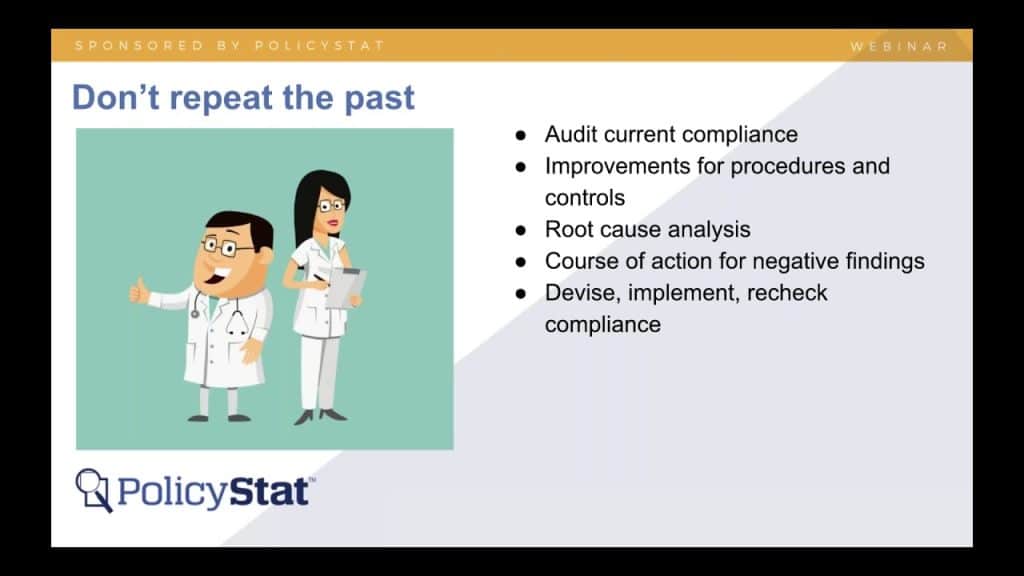
By familiarizing themselves with these joint commission survey questions and addressing any identified areas for improvement, healthcare organizations can ensure that they provide the highest quality of care to their patients and maintain compliance with accreditation standards. It is crucial for organizations to continuously monitor their practices, implement necessary changes, and engage in ongoing quality improvement efforts to meet the evolving demands of the healthcare industry.






