
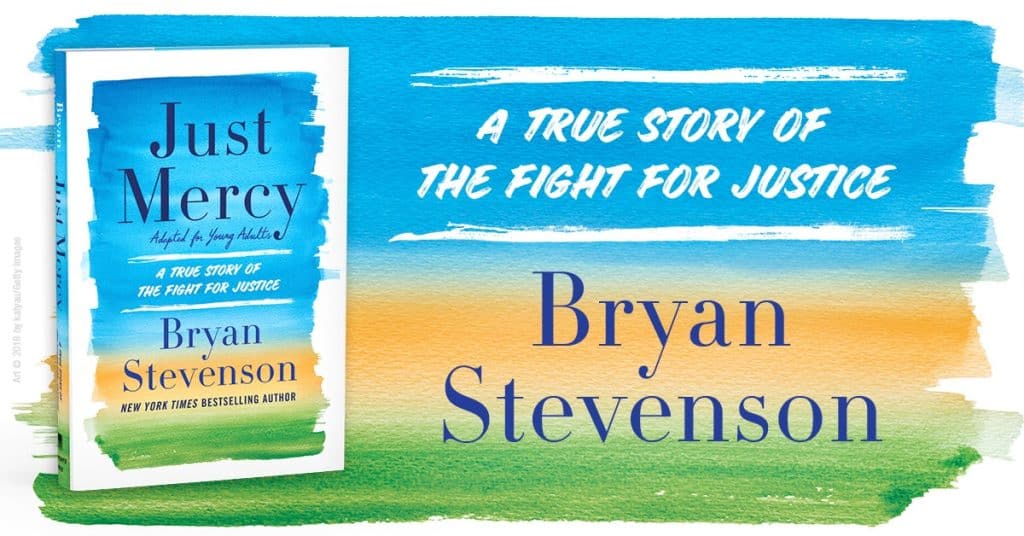
Just Mercy is a powerful and thought-provoking book by Bryan Stevenson that explores issues of racial inequality and injustice within the criminal justice system. It tells the true story of Stevenson’s work as a lawyer to defend the rights of those who have been wrongly convicted or unfairly sentenced. This book raises important questions about justice, mercy, and the flaws within our legal system.
In order to facilitate meaningful discussions and further explore the themes presented in Just Mercy, it can be helpful to have a list of discussion questions. These questions can help guide conversations and encourage participants to reflect on their own beliefs and perceptions. Below, you will find a list of 40 Just Mercy discussion questions that can be used for book clubs, classrooms, or personal reflection.
See these Just Mercy Discussion Questions
- How does Bryan Stevenson define “just mercy” in the book?
- What role does race play in the cases presented in the book?
- Did reading Just Mercy change your perspective on the criminal justice system? Why or why not?
- What impact did the experiences of Walter McMillian and other wrongly convicted individuals have on you?
- How does Stevenson’s personal background and experiences shape his approach to the cases he takes on?
- What are some examples of systemic issues within the criminal justice system that are highlighted in the book?
- How does Stevenson navigate the challenges and frustrations of working within a flawed system?
- What are some of the ethical dilemmas faced by Stevenson and his team?
- Discuss the role of empathy and compassion in Stevenson’s work.
- What are the consequences of mass incarceration, particularly on communities of color?
- How do the stories of children sentenced to life in prison without parole impact you?
- What are the long-term effects of wrongful convictions on individuals and their families?
- How does mental illness intersect with the criminal justice system in the book?
- Discuss the impact of poverty and lack of resources on the outcomes of the cases presented.
- What are some of the challenges faced by individuals reentering society after being incarcerated?
- How does Stevenson’s belief in the potential for redemption and change shape his work?
- Discuss the power dynamics between law enforcement, prosecutors, and defense attorneys in the book.
- What are some examples of the ways in which Stevenson challenges bias and prejudice within the legal system?
- How does the death penalty feature in the book, and what are the implications of its use?
- Discuss the importance of storytelling and narrative in the book.
- What are some of the personal sacrifices made by Stevenson and his team in their pursuit of justice?
- How does the book address the concept of hope in the face of overwhelming odds?
- What does the book teach us about the power of forgiveness?
- Discuss the relationship between poverty, education, and opportunities for individuals within the criminal justice system.
- How does the book challenge the notion of “innocent until proven guilty”?
- What are some examples of the ways in which the legal system fails to protect the rights of the accused?
- Discuss the importance of legal representation and access to competent counsel.
- How does the book address the issue of racial bias within jury selection?
- What are some of the systemic changes that Stevenson suggests to address injustice within the criminal justice system?
- Discuss the role of the media in shaping public perception of criminal cases.
- What are some of the challenges faced by individuals who are wrongly convicted but later exonerated?
- How does the book address the issue of trauma and its impact on individuals within the criminal justice system?
- Discuss the role of advocacy and public awareness in effecting change within the system.
- What are some examples of successful reform efforts highlighted in the book?
- How does the book challenge the notion of “deserving” or “undeserving” individuals within the criminal justice system?
- Discuss the role of intersectionality and how it impacts the experiences of individuals within the criminal justice system.
- What are some of the challenges faced by individuals who are wrongly convicted and later released?
- How does the book address the issue of institutionalized racism within the legal system?
- What are some examples of the ways in which Stevenson and his team provide support to clients beyond legal representation?
- Discuss the role of public defenders and the challenges they face in the criminal justice system.
- How does the book challenge the notion of “guilty beyond a reasonable doubt”?
- What are some examples of the ways in which Stevenson and his team challenge stereotypes and biases within the legal system?
- Discuss the importance of community involvement and activism in addressing issues of injustice.
- What are some of the lessons that can be learned from the stories and experiences shared in Just Mercy?
These Just Mercy discussion questions are just a starting point for exploring the themes and issues raised in the book. Feel free to adapt and expand upon these questions to suit the needs of your discussion group or classroom. Engaging in meaningful conversations about justice and mercy is an important step towards creating a more equitable and fair society.






