
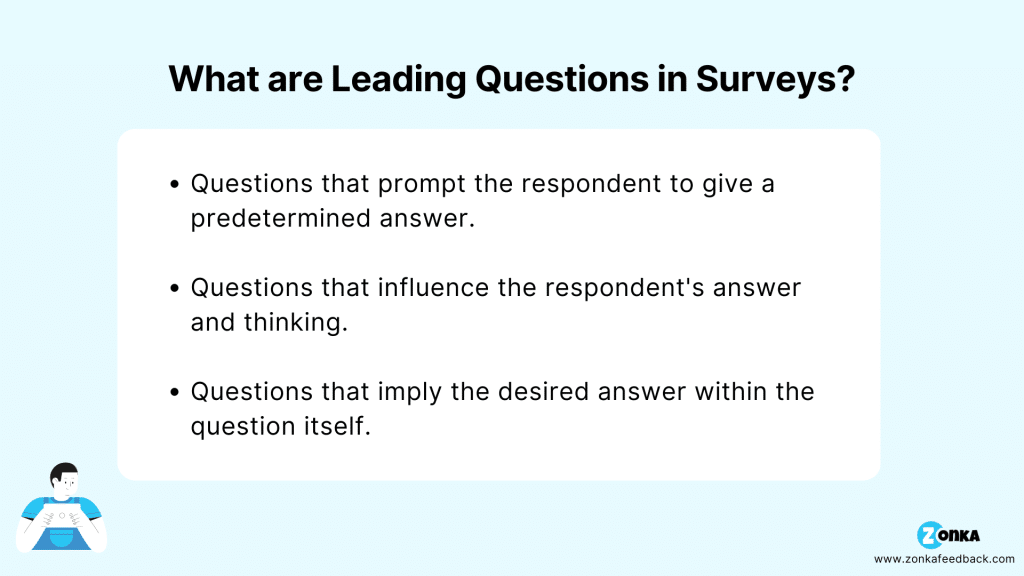
When it comes to questioning witnesses or parties involved in a legal proceeding, the use of leading questions can have a significant impact on the outcome of the case. Leading questions are those that suggest or prompt a particular answer and can potentially influence the testimony provided. The law surrounding leading questions aims to ensure fairness and accuracy in the legal process. Understanding the rules and limitations of leading questions is crucial for all parties involved in a legal matter.
Leading questions are often used during cross-examinations in courtrooms to challenge the credibility of witnesses or to extract specific information. However, their use is not without its controversies. The purpose of asking leading questions is to shape the testimony in a way that supports the argument of the questioning party. This can introduce bias and potentially lead to inaccurate or unreliable information being presented. The law surrounding leading questions seeks to strike a balance between allowing for effective cross-examinations and maintaining the integrity of the legal process.
In order to provide a comprehensive understanding of leading questions law, below is a list of some common leading questions that are often encountered in legal proceedings:
See these leading questions law
- Did you not witness the incident?
- Isn’t it true that you were present at the scene?
- Did the defendant not admit to the crime?
- Wouldn’t you agree that the plaintiff is lying?
- Don’t you think it’s unlikely for the accident to have happened that way?
- Isn’t it a fact that you have a history of lying under oath?
- Wouldn’t you say that the defendant’s behavior was suspicious?
- Isn’t it accurate to say that you have a motive to lie in this case?
- Did you not sign a contract stating your agreement?
- Wouldn’t you admit that you were negligent in your actions?
- Isn’t it true that you failed to report the incident immediately?
- Did you not receive a warning about the consequences of your actions?
- Wouldn’t you say that the evidence against the defendant is overwhelming?
- Isn’t it accurate to say that you were the one who initiated the altercation?
- Did you not see the defendant leaving the crime scene?
- Wouldn’t you agree that the plaintiff’s version of events is highly improbable?
- Isn’t it true that you have a personal vendetta against the defendant?
- Did you not hear the defendant making threatening remarks?
- Wouldn’t you say that the defendant’s alibi is questionable?
- Isn’t it accurate to say that you have a financial interest in the outcome of this case?
- Did you not receive any compensation for your testimony?
- Wouldn’t you admit that you have a biased opinion against the plaintiff?
- Isn’t it true that you were not present at the time of the incident?
- Did you not fail to disclose important information to the authorities?
- Wouldn’t you agree that the defendant’s actions were reckless?
- Isn’t it accurate to say that you have a criminal record?
- Did you not make contradictory statements about the incident?
- Wouldn’t you say that the plaintiff’s injuries are exaggerated?
- Isn’t it true that you have a history of conflicts with the defendant?
- Did you not have a motive to fabricate evidence against the defendant?
- Wouldn’t you admit that you have a poor memory of the events?
- Isn’t it accurate to say that you were under the influence of alcohol at the time?
- Did you not have a conversation with the plaintiff about your testimony?
- Wouldn’t you agree that the defendant’s version of events is implausible?
- Isn’t it true that you were fired from your previous job due to dishonesty?
- Did you not have a prior relationship with the victim?
- Wouldn’t you say that the plaintiff’s actions contributed to the incident?
- Isn’t it accurate to say that you have a history of violence?
- Did you not benefit financially from the outcome of this case?
- Wouldn’t you admit that you have a personal bias against the defendant?
- Isn’t it true that you were not properly trained to handle the situation?
- Did you not have access to confidential information regarding the case?
- Wouldn’t you agree that the defendant’s behavior was unusual?
- Isn’t it accurate to say that you have a history of making false accusations?
It is important to note that the use of leading questions in a legal setting must comply with the specific rules and regulations of the jurisdiction in which the case is being heard. Properly understanding and utilizing leading questions can greatly impact the outcome of a legal proceeding.






