
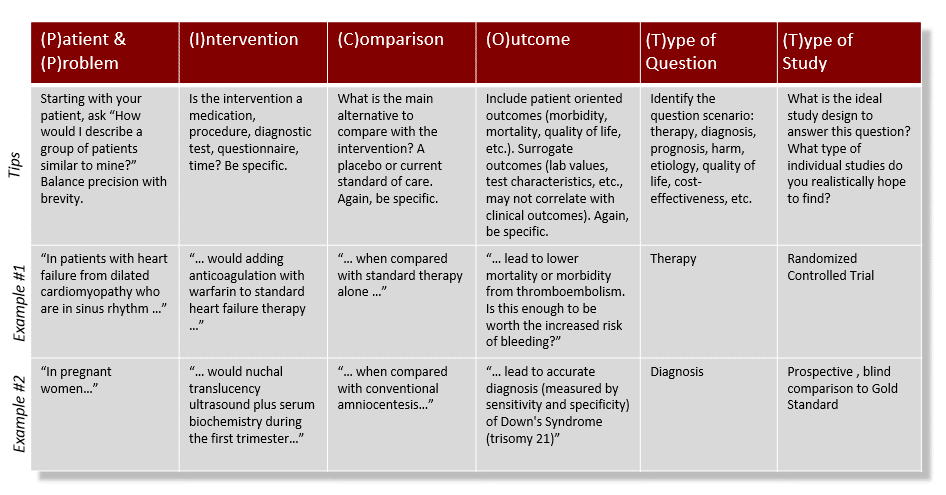
When it comes to providing optimal care in the Intensive Care Unit (ICU), nurses play a crucial role in ensuring patient safety and positive outcomes. One effective way to enhance nursing practice in the ICU is by utilizing the PICO (Population, Intervention, Comparison, Outcome) framework to formulate research questions that guide evidence-based practice. In this article, we will explore a comprehensive list of nursing PICO questions specifically tailored for the ICU setting.
The PICO framework serves as a structured approach to formulating clinical questions that can be answered through research. By clearly defining the population of interest, the intervention or exposure being studied, the comparison group or alternative intervention, and the desired outcome, nurses can develop focused questions that facilitate evidence-based decision-making.
Now let’s delve into a list of nursing PICO questions that are relevant to the ICU. These questions encompass a wide range of topics and can serve as a starting point for nurses seeking to explore current evidence and implement best practices in their daily practice.
See these list of nursing PICO questions ICU
- Does early mobilization of mechanically ventilated patients in the ICU reduce the incidence of ventilator-associated pneumonia?
- What is the impact of nurse-to-patient ratios on patient outcomes in the ICU?
- Are daily sedation interruption protocols effective in reducing the duration of mechanical ventilation in the ICU?
- Does the use of chlorhexidine bathing reduce the incidence of central line-associated bloodstream infections in the ICU?
- What is the effect of implementing a ventilator bundle protocol on ventilator-associated events in the ICU?
- Does the use of continuous lateral rotation therapy prevent the development of ventilator-associated pneumonia in ICU patients?
- What are the benefits and risks of implementing early enteral nutrition in critically ill patients in the ICU?
- Is the use of probiotics effective in preventing ventilator-associated pneumonia in mechanically ventilated patients in the ICU?
- What is the impact of implementing a daily sedation vacation protocol on ICU length of stay?
- Does the use of closed endotracheal suctioning systems reduce the incidence of ventilator-associated pneumonia in the ICU?
- What is the effect of nurse-led sedation protocols on patient outcomes in the ICU?
- Does the use of early goal-directed therapy improve survival rates in septic ICU patients?
- What is the impact of implementing a ventilator-associated event bundle on patient outcomes in the ICU?
- Are multidisciplinary rounds effective in reducing ICU length of stay?
- Does the use of silver-coated endotracheal tubes reduce the incidence of ventilator-associated pneumonia in the ICU?
- What is the effect of implementing a daily awakening and breathing coordination, delirium monitoring, and early exercise/mobility bundle on ICU delirium rates?
- Does the use of real-time ultrasound-guided subclavian vein cannulation reduce the incidence of complications in ICU patients?
- What are the benefits and risks of implementing a nurse-driven sedation protocol in the ICU?
- Is the use of high-frequency oscillatory ventilation more effective than conventional ventilation in the management of acute respiratory distress syndrome in the ICU?
- Does the use of a nurse-driven weaning protocol decrease the duration of mechanical ventilation in the ICU?
- What is the impact of implementing a daily spontaneous awakening trial on ICU delirium rates?
- Are early warning scoring systems effective in identifying deteriorating patients in the ICU?
- Does the use of an oral care protocol reduce the incidence of ventilator-associated pneumonia in ICU patients?
- What is the effect of implementing a nurse-to-patient handoff communication tool on patient outcomes in the ICU?
- Does the use of prone positioning improve oxygenation and ventilation in patients with acute respiratory distress syndrome in the ICU?
- What are the benefits and risks of implementing a nurse-driven ventilator weaning protocol in the ICU?
- Is the use of early goal-directed therapy effective in reducing mortality rates in septic ICU patients?
- Does the implementation of a daily sedation assessment tool reduce the duration of mechanical ventilation in the ICU?
- What is the impact of implementing a nurse-led delirium prevention protocol on ICU delirium rates?
- Are daily awakening trials effective in reducing the duration of mechanical ventilation in the ICU?
- Does the use of a nurse-driven central line-associated bloodstream infection prevention bundle reduce infection rates in the ICU?
- What is the effect of implementing a nurse-led mobility program on ICU length of stay?
- Is the use of high-flow nasal cannula oxygen therapy more effective than conventional oxygen therapy in the management of respiratory failure in the ICU?
- Does the implementation of a nurse-led oral care program reduce the incidence of ventilator-associated pneumonia in the ICU?
- What is the impact of implementing a daily sedation assessment protocol on ICU delirium rates?
- Are early warning scoring systems effective in reducing cardiac arrests in the ICU?
- Does the use of a nurse-driven catheter-associated urinary tract infection prevention bundle reduce infection rates in the ICU?
- What is the effect of implementing a nurse-led early mobility program on ICU delirium rates?
- Is the use of high-frequency oscillatory ventilation associated with improved survival rates in patients with acute respiratory distress syndrome in the ICU?
- Does the implementation of a nurse-led infection control program reduce infection rates in the ICU?
- What are the benefits and risks of implementing a nurse-driven sedation vacation protocol in the ICU?
- Are daily spontaneous awakening trials effective in reducing the duration of mechanical ventilation in the ICU?
- Does the use of a nurse-driven ventilator-associated pneumonia prevention bundle reduce infection rates in the ICU?
- What is the impact of implementing a nurse-led early rehabilitation program on ICU length of stay?
- Is the use of high-flow nasal cannula oxygen therapy associated with decreased mortality rates in patients with respiratory failure in the ICU?
- Does the implementation of a nurse-led pressure ulcer prevention program reduce the incidence of pressure ulcers in the ICU?
These are just a few examples of nursing PICO questions that can guide evidence-based practice in the ICU. It’s important for nurses to continually seek and evaluate the latest research to provide the best possible care for their critically ill patients.






