
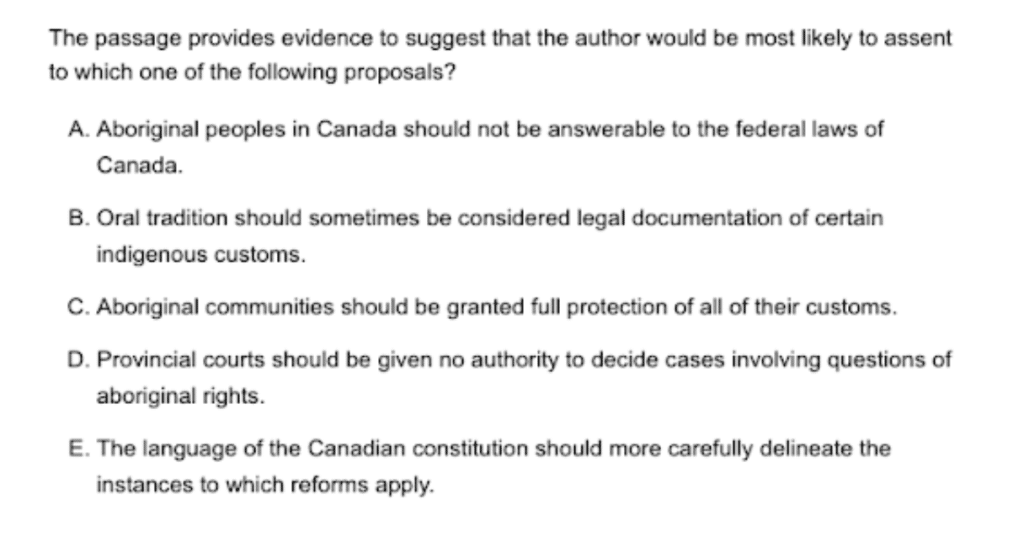
When it comes to the Law School Admission Test (LSAT), one of the most challenging sections for many test-takers is the reading comprehension portion. This section assesses your ability to understand complex passages and answer questions based on the information presented. To excel in this section, it is crucial to practice LSAT reading comprehension questions to develop your critical reading skills and improve your overall score.
LSAT reading comprehension questions are designed to evaluate your ability to comprehend, analyze, and synthesize information from passages that typically cover a wide range of topics, including social sciences, humanities, natural sciences, and law. These questions assess your understanding of main ideas, supporting details, logical structure, author’s tone, and the ability to draw inferences and make logical deductions.
By practicing LSAT reading comprehension questions, you can not only enhance your reading speed but also improve your ability to identify key information, understand the author’s perspective, and critically evaluate arguments. Additionally, consistent practice with these questions can help you develop effective time management skills to complete this section within the allocated time frame.
See these LSAT Reading Comprehension Questions
- What is the main idea of the passage?
- According to the passage, what is the author’s tone?
- Which of the following examples best illustrates the concept discussed in the passage?
- What can be inferred from the information provided in the first paragraph?
- Which of the following statements would the author most likely agree with?
- What is the purpose of the second paragraph?
- Which of the following statements weakens the argument presented in the passage?
- Which of the following statements contradicts the information provided in the passage?
- Which of the following statements can be inferred from the information in the passage?
- According to the passage, what is the relationship between X and Y?
- Which of the following best describes the author’s attitude towards X?
- What is the logical conclusion based on the information in the passage?
- What is the purpose of the third paragraph?
- Which of the following statements strengthens the argument presented in the passage?
- According to the passage, what is the likely outcome of X?
- Which of the following statements is an assumption made by the author?
- What is the author’s main argument in the passage?
- Which of the following statements provides evidence to support the author’s claim?
- What is the author’s purpose in including the example in the second paragraph?
- Which of the following statements is most likely to be true based on the information in the passage?
- According to the passage, what is the significance of X?
- Which of the following statements contradicts the argument presented in the passage?
- What can be inferred about the author’s opinion on X?
- Which of the following best describes the structure of the passage?
- According to the passage, what is the relationship between A and B?
- Which of the following statements challenges the information presented in the passage?
- What is the purpose of the fourth paragraph?
- Which of the following statements weakens the author’s claim?
- According to the passage, what is the potential consequence of X?
- Which of the following statements is an assumption made by the author?
- What is the author’s main point in the passage?
- Which of the following statements provides an example that supports the author’s argument?
- What is the author’s purpose in including the anecdote in the third paragraph?
- Which of the following statements is most likely to be true based on the information in the passage?
- According to the passage, what is the significance of X?
- Which of the following statements contradicts the argument presented in the passage?
- What can be inferred about the author’s opinion on X?
- Which of the following best describes the structure of the passage?
- According to the passage, what is the relationship between A and B?
- Which of the following statements challenges the information presented in the passage?
- What is the purpose of the fourth paragraph?
- Which of the following statements weakens the author’s claim?
- According to the passage, what is the potential consequence of X?
- Which of the following statements is an assumption made by the author?
- What is the author’s main point in the passage?
- Which of the following statements provides an example that supports the author’s argument?
- What is the author’s purpose in including the anecdote in the third paragraph?
- Which of the following statements is most likely to be true based on the information in the passage?
- According to the passage, what is the significance of X?
- Which of the following statements contradicts the argument presented in the passage?
- What can be inferred about the author’s opinion on X?
- Which of the following best describes the structure of the passage?
- According to the passage, what is the relationship between A and B?
- Which of the following statements challenges the information presented in the passage?
- What is the purpose of the fourth paragraph?
- Which of the following statements weakens the author’s claim?
- According to the passage, what is the potential consequence of X?
- Which of the following statements is an assumption made by the author?
- What is the author’s main point in the passage?
- Which of the following statements provides an example that supports the author’s argument?
- What is the author’s purpose in including the anecdote in the third paragraph?
- Which of the following statements is most likely to be true based on the information in the passage?
- According to the passage, what is the significance of X?
- Which of the following statements contradicts the argument presented in the passage?
- What can be inferred about the author’s opinion on X?
- Which of the following best describes the structure of the passage?
- According to the passage, what is the relationship between A and B?
- Which of the following statements challenges the information presented in the passage?
- What is the purpose of the fourth paragraph?
- Which of the following statements weakens the author’s claim?
- According to the passage, what is the potential consequence of X?
- Which of the following statements is an assumption made by the author?
- What is the author’s main point in the passage?
- Which of the following statements provides an example that supports the author’s argument?
- What is the author’s purpose in including the anecdote in the third paragraph?
- Which of the following statements is most likely to be true based on the information in the passage?
- According to the passage, what is the significance of X?
- Which of the following statements contradicts the argument presented in the passage?
- What can be inferred about the author’s opinion on X?
- Which of the following best describes the structure of the passage?
- According to the passage, what is the relationship between A and B?
- Which of the following statements challenges the information presented in the passage?
- What is the purpose of the fourth paragraph?
- Which of the following statements weakens the author’s claim?
- According to the passage, what is the potential consequence of X?
- Which of the following statements is an assumption made by the author?
- What is the author’s main point in the passage?
- Which of the following statements provides an example that supports the author’s argument?
- What is the author’s purpose in including the anecdote in the third paragraph?
- Which of the following statements is most likely to be true based on the information in the passage?
- According to the passage, what is the significance of X?
- Which of the following statements contradicts the argument presented in the passage?
- What can be inferred about the author’s opinion on X?
- Which of the following best describes the structure of the passage?
- According to the passage, what is the relationship between A and B?
- Which of the following statements challenges the information presented in the passage?
- What is the purpose of the fourth paragraph?
- Which of the following statements weakens the author’s claim?
- According to the passage, what is the potential consequence of X?
- Which of the following statements is an assumption made by the author?
- What is the author’s main point in the passage?
- Which of the following statements provides an example that supports the author’s argument?
- What is the author’s purpose in including the anecdote in the third paragraph?
Practicing LSAT reading comprehension questions is essential for improving your performance on the LSAT. By consistently practicing these questions, you will develop the necessary skills to effectively analyze and understand complex passages, ultimately leading to a higher score on test day. So, don’t shy away from these questions, embrace them and master the art of critical reading!






