
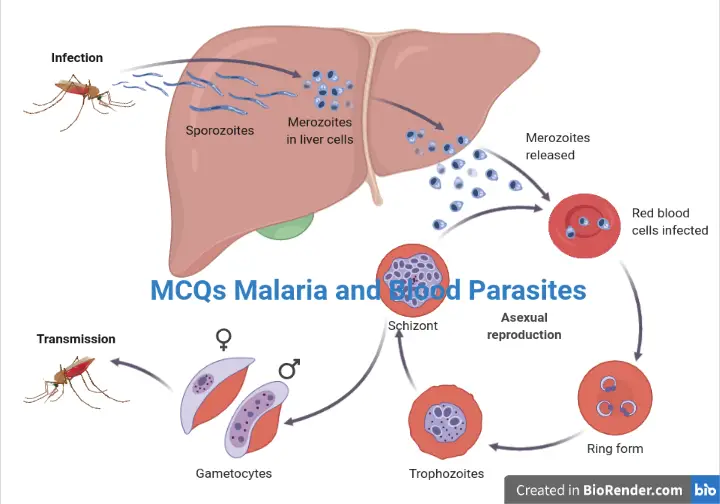
Malaria is a life-threatening disease caused by parasites that are transmitted to humans through the bites of infected female mosquitoes. It is a significant public health concern, particularly in tropical and subtropical regions. While malaria can be prevented and treated, there is still a lot of confusion and misinformation surrounding this disease. In this article, we aim to address some of the most commonly asked questions about malaria to help you better understand its causes, symptoms, prevention, and treatment.
Before we delve into the questions, it’s crucial to understand the basics of malaria. The disease is caused by the Plasmodium parasite, which has five different species known to infect humans. These parasites are transmitted through the bites of infected Anopheles mosquitoes. Once in the bloodstream, the parasites travel to the liver, where they mature and multiply. They then invade the red blood cells, causing symptoms such as fever, chills, headache, and fatigue.
Now, let’s explore some of the frequently asked questions about malaria:
See these malaria questions
- What is malaria?
- How is malaria transmitted?
- What are the symptoms of malaria?
- Is malaria contagious?
- Can malaria be fatal?
- What are the risk factors for malaria?
- Is there a vaccine for malaria?
- How is malaria diagnosed?
- What are the complications of malaria?
- Can pregnant women get malaria?
- How can malaria be prevented?
- What are the different types of malaria?
- Is there a cure for malaria?
- Can malaria be transmitted through sexual contact?
- What is the incubation period for malaria?
- Can malaria be transmitted from mother to child?
- What is the treatment for malaria?
- Does malaria affect children more than adults?
- Are there drug-resistant strains of malaria?
- Can malaria recur?
- How can travelers protect themselves against malaria?
- What is the history of malaria?
- Is it safe to travel to areas with high malaria transmission?
- What is the economic impact of malaria?
- Can animals transmit malaria to humans?
- How long does it take to recover from malaria?
- Are there any natural remedies for malaria?
- What is the relationship between climate change and malaria?
- Can malaria be prevented with mosquito nets?
- What is the role of the World Health Organization in combating malaria?
- Are there any new developments in malaria research?
- How can communities help in malaria control?
- Is malaria a notifiable disease?
- What is the difference between malaria and dengue fever?
- Can malaria be transmitted through blood transfusion?
- Are there any travel restrictions for people with a history of malaria?
- What are the long-term effects of malaria?
- Can malaria be prevented during pregnancy?
- Is there a seasonal pattern to malaria transmission?
- What is the cost of malaria treatment?
- Can malaria be eradicated?
- What is the global burden of malaria?
These are just a few of the many questions people have about malaria. It is important to stay informed and seek guidance from healthcare professionals or reputable sources for accurate and up-to-date information about this disease. By understanding the causes, symptoms, prevention, and treatment of malaria, we can collectively work towards its control and eventual eradication.






