
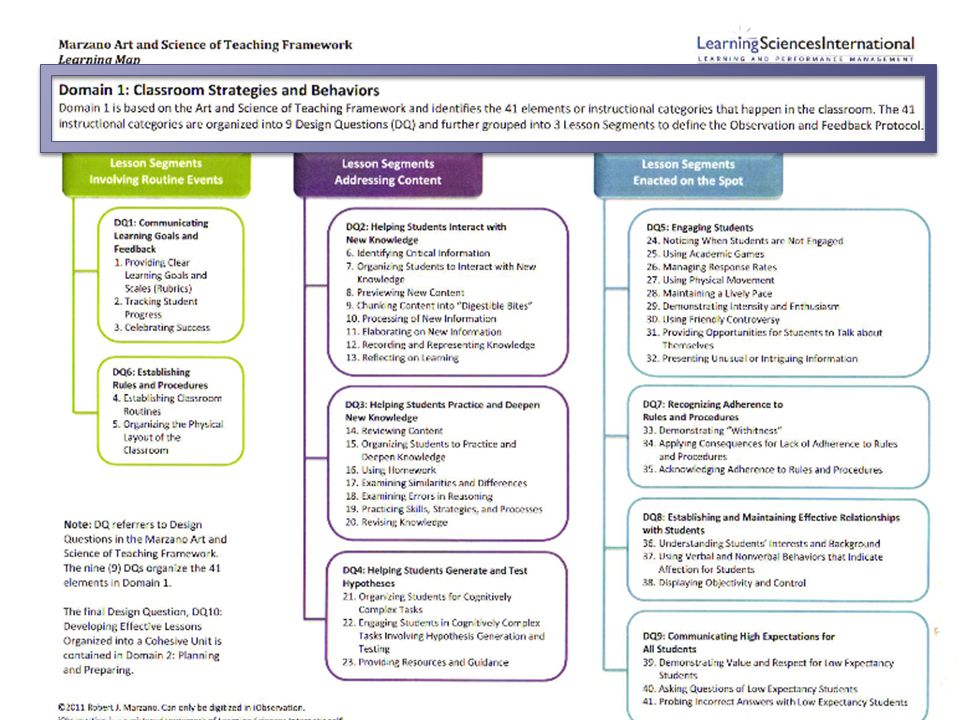
Effective classroom instruction is a complex process that requires careful planning and thoughtful design. One approach that has gained popularity among educators is the use of Marzano Design Questions, which provide a framework for creating engaging and rigorous learning experiences for students.
Marzano Design Questions are based on the research of educational expert Robert J. Marzano and focus on nine essential instructional strategies that have been proven to enhance student learning. By using these questions, teachers can ensure that their lessons are aligned with best practices and promote deep understanding and retention of content.
In this article, we will explore the importance of Marzano Design Questions and provide a comprehensive list of 40 questions that can be used to guide instructional planning and classroom discussions.
See these Marzano Design Questions
- What are the key concepts or skills that students need to understand or acquire?
- How can I make the content relevant and meaningful to students’ lives?
- What instructional strategies can I use to engage students in the learning process?
- How can I provide clear learning goals and success criteria for students?
- What opportunities can I provide for students to practice and apply their learning?
- How can I differentiate instruction to meet the diverse needs of my students?
- What formative assessments can I use to monitor student progress?
- How can I provide timely and specific feedback to students?
- What opportunities can I provide for students to reflect on their learning?
- How can I create a positive and inclusive learning environment?
- What resources and materials can I use to support student learning?
- How can I use technology to enhance instruction?
- What collaborative learning activities can I incorporate into my lessons?
- How can I promote higher-order thinking and problem-solving skills?
- What strategies can I use to activate students’ prior knowledge?
- How can I scaffold learning to support students’ understanding?
- What instructional strategies can I use to promote student engagement and motivation?
- How can I provide opportunities for students to apply their learning to real-world situations?
- What strategies can I use to help students connect new information to their existing knowledge?
- How can I create a safe and supportive learning environment?
- What strategies can I use to help students develop metacognitive skills?
- How can I incorporate student choice and autonomy into the learning process?
- What strategies can I use to help students develop effective study and learning habits?
- How can I create opportunities for students to collaborate and learn from each other?
- What strategies can I use to help students develop critical thinking skills?
- How can I provide opportunities for students to demonstrate their learning in authentic ways?
- What strategies can I use to help students set and achieve learning goals?
- How can I create a positive and inclusive classroom culture?
- What strategies can I use to help students develop effective communication skills?
- How can I provide opportunities for students to engage in self-assessment and reflection?
- What strategies can I use to help students develop a growth mindset?
- How can I promote a sense of ownership and responsibility for learning?
- What strategies can I use to help students develop time management and organizational skills?
- How can I create opportunities for students to explore their interests and passions?
- What strategies can I use to help students develop empathy and understanding of others?
- How can I provide opportunities for students to engage in authentic and meaningful assessment?
- What strategies can I use to help students develop resilience and perseverance?
- How can I incorporate cultural responsiveness into my instruction?
- What strategies can I use to help students develop collaboration and teamwork skills?
- How can I provide opportunities for students to engage in inquiry-based learning?
- What strategies can I use to help students develop self-regulation and self-control?
- How can I promote a sense of belonging and community in the classroom?
By incorporating Marzano Design Questions into their instructional practices, teachers can create a dynamic and engaging classroom environment that fosters deep learning and promotes student success. These questions serve as a valuable guide for planning and implementing effective instruction that meets the diverse needs of all learners.






