
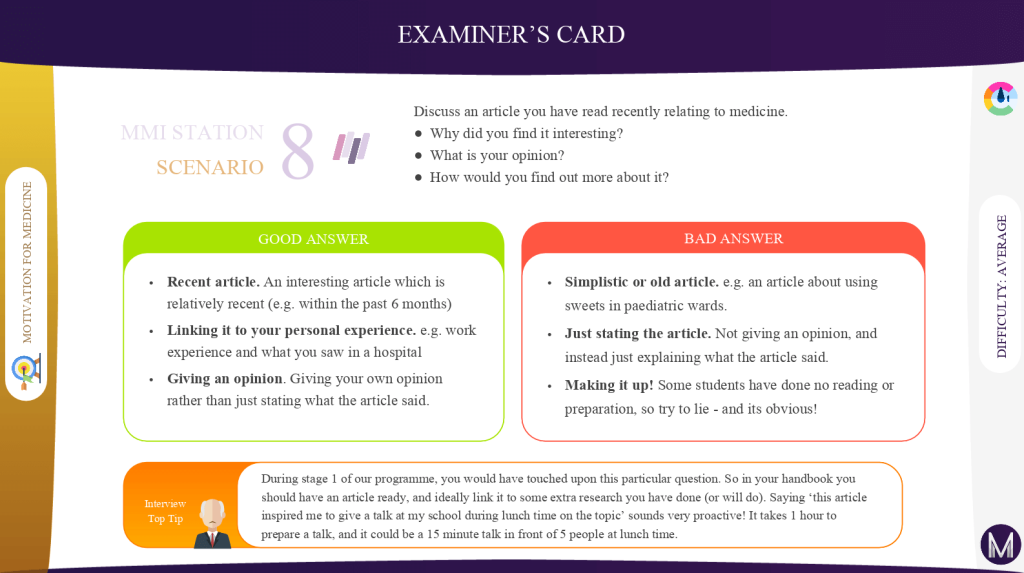
Medical interviews play a crucial role in the selection process for medical professionals. These interviews not only assess the candidate’s knowledge and skills but also evaluate their ethical behavior and decision-making abilities. Ethical questions test a candidate’s moral values, judgment, and ability to handle ethical dilemmas that may arise in the medical field. In this article, we will explore some common ethical questions asked during medical interviews.
During a medical interview, ethical questions aim to evaluate the candidate’s understanding of medical ethics and their ability to apply ethical principles to real-life situations. These questions help interviewers gauge how the candidate would handle difficult ethical dilemmas, such as patient confidentiality, end-of-life decisions, and conflicts of interest.
It is important for medical professionals to have a strong ethical foundation as they deal with complex situations that require making difficult decisions. By asking ethical questions during interviews, interviewers can assess a candidate’s integrity, honesty, and compassion, which are vital traits in the medical profession.
See these medical interview ethical questions
- How would you handle a situation where a patient requests confidential information to be shared with their family against their will?
- What would you do if you suspect a colleague of engaging in unethical behavior?
- How would you handle a patient who refuses a life-saving treatment due to religious beliefs?
- What steps would you take to ensure patient autonomy and informed consent?
- How would you balance the need for patient confidentiality with the duty to report potential harm to others?
- What would you do if you discovered a healthcare provider administering unnecessary treatments for financial gain?
- How would you handle a situation where a patient’s family insists on continuing life support despite the patient’s wishes for withdrawal?
- What would you do if a patient requests an experimental treatment that could potentially harm them?
- How would you handle a situation where a patient’s cultural beliefs conflict with the recommended medical treatment?
- What steps would you take to ensure proper communication and understanding with patients who have limited English proficiency?
- How would you handle a situation where a patient’s family disagrees with the medical treatment plan?
- What would you do if you witness a fellow healthcare provider making a medical error?
- How would you handle a situation where a patient refuses to disclose their medical history?
- What steps would you take to maintain professionalism and boundaries with patients?
- How would you balance the rights of a minor patient with their parents’ wishes?
- What would you do if you discover a patient has been misdiagnosed by another healthcare provider?
- How would you handle a situation where a patient’s insurance coverage limits their treatment options?
- What steps would you take to address disparities in healthcare access and outcomes?
- How would you handle a situation where a patient’s decision conflicts with evidence-based medicine?
- What would you do if you suspect a patient is being abused or neglected?
- How would you handle a situation where a patient requests a treatment that goes against your personal beliefs?
- What steps would you take to ensure patient safety and minimize medical errors?
- How would you handle a situation where a patient’s family requests withdrawal of life support against the patient’s wishes?
- What would you do if a patient refuses to follow the recommended treatment plan?
- How would you handle a situation where a patient’s condition deteriorates, and there is a need for immediate intervention, but the patient lacks decision-making capacity?
- What steps would you take to address cultural biases and provide culturally sensitive care?
- How would you handle a situation where a patient’s family requests futile treatments?
- What would you do if you witness a colleague discriminating against a patient?
- How would you balance the need for patient autonomy with the duty to protect vulnerable populations?
- What steps would you take to ensure patient privacy and data security?
- How would you handle a situation where a patient’s family disagrees with the prognosis?
- What would you do if you suspect a patient is seeking prescription drugs for non-medical purposes?
- How would you handle a situation where a patient requests medically assisted suicide?
- What steps would you take to address healthcare disparities based on socioeconomic status?
- How would you handle a situation where a patient’s religious beliefs conflict with the recommended medical treatment?
- What would you do if a patient requests experimental treatment that is not approved by regulatory authorities?
- How would you handle a situation where a patient’s family disagrees with the withholding of life-saving treatment?
- What steps would you take to balance the needs of multiple patients with limited resources?
- How would you handle a situation where a patient requests medically unnecessary procedures?
- What would you do if you suspect a patient is withholding important information about their medical history?
- How would you handle a situation where a patient’s family refuses to allow organ donation despite the patient’s wishes to donate?
- What steps would you take to address biases and provide equitable care to all patients?
- How would you handle a situation where a patient’s family requests aggressive treatment despite a poor prognosis?
- What would you do if you witness a colleague providing substandard care to patients?
- How would you balance the need for patient confidentiality with the duty to report potential harm to a child?
- What steps would you take to ensure patient compliance with the treatment plan?
These are just a few examples of the ethical questions that may be asked during a medical interview. It is important for candidates to prepare for these questions by familiarizing themselves with medical ethics principles and guidelines. Demonstrating integrity and thoughtful consideration of ethical dilemmas will greatly enhance a candidate’s chances of success in the medical interview process.






