
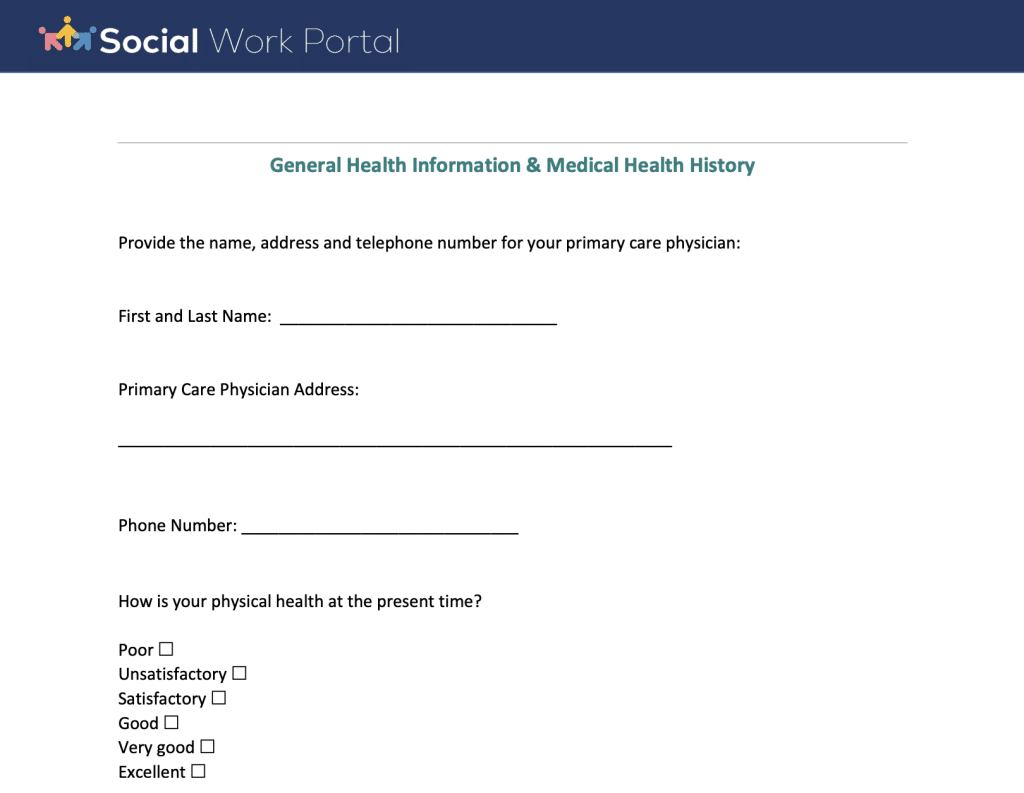
When seeking mental health support, an intake interview is often the first step in the process. This interview helps mental health professionals gather essential information about a client’s history, symptoms, and goals. It provides valuable insights that guide the treatment plan and allows therapists to tailor their approach to the individual’s needs. If you are a mental health professional or a person seeking therapy, familiarizing yourself with common intake interview questions can help you prepare for the process and make the most out of your sessions.
The intake interview is a crucial part of the therapeutic journey as it sets the foundation for the therapeutic relationship. It allows the mental health professional to understand the client’s concerns, assess their mental health status, and determine the appropriate course of action. For the client, it provides an opportunity to express their needs, share their experiences, and establish trust with the therapist. By asking the right questions, both parties can work collaboratively towards achieving the desired treatment outcomes.
In this article, we have compiled a list of essential mental health intake interview questions that can guide mental health professionals and individuals seeking therapy. These questions cover a broad range of areas such as personal history, current symptoms, emotional well-being, and past treatment experiences. Use these questions as a starting point to ensure a comprehensive intake interview that addresses all relevant aspects of mental health.
See these mental health intake interview questions
- What brings you to therapy?
- Have you ever been in therapy before?
- What are your current symptoms or concerns?
- How long have you been experiencing these symptoms?
- Have you ever been diagnosed with a mental health condition?
- Are you currently taking any medications?
- Do you have a history of trauma or abuse?
- What are your goals for therapy?
- What coping mechanisms do you currently use?
- How would you describe your support system?
- Do you have any family history of mental health issues?
- Do you have any medical conditions that may impact your mental health?
- How would you rate your current stress levels?
- How do you typically handle stressful situations?
- Have you experienced any recent life changes or major events?
- How would you describe your sleep patterns?
- Do you engage in any addictive behaviors?
- What is your relationship with food like?
- Do you have any body image concerns?
- How do you manage your emotions?
- Do you have any history of self-harm or suicidal ideation?
- What is your level of motivation for therapy?
- Are you open to exploring different therapeutic approaches?
- What are your expectations for therapy?
- How do you prefer to communicate with your therapist?
- How do you feel about medication as part of your treatment plan?
- Do you have any cultural or religious beliefs that may influence your therapy?
- Have you ever been hospitalized for mental health reasons?
- How would you rate your overall satisfaction with life?
- Do you have any concerns about confidentiality?
- What is your understanding of the therapeutic process?
- How would you describe your relationship with yourself?
- Do you have any specific preferences or limitations for therapy?
- What activities or hobbies do you enjoy?
- How do you typically spend your leisure time?
- Do you have any financial concerns related to therapy?
- How would you describe your social support network?
- Do you have any goals related to improving your relationships?
- What is your preferred outcome for therapy?
- How do you handle conflicts in your relationships?
- Do you have any history of legal issues?
- What are your strengths and weaknesses?
- How would you describe your self-esteem?
- What strategies do you use to manage your time?
Remember, these questions are a starting point, and it’s essential to adapt them to each individual’s unique circumstances. An intake interview should feel like a safe and supportive space, allowing the individual to express themselves openly and honestly. By asking the right questions and actively listening, mental health professionals can gain a deeper understanding of their clients and provide effective treatment.






