
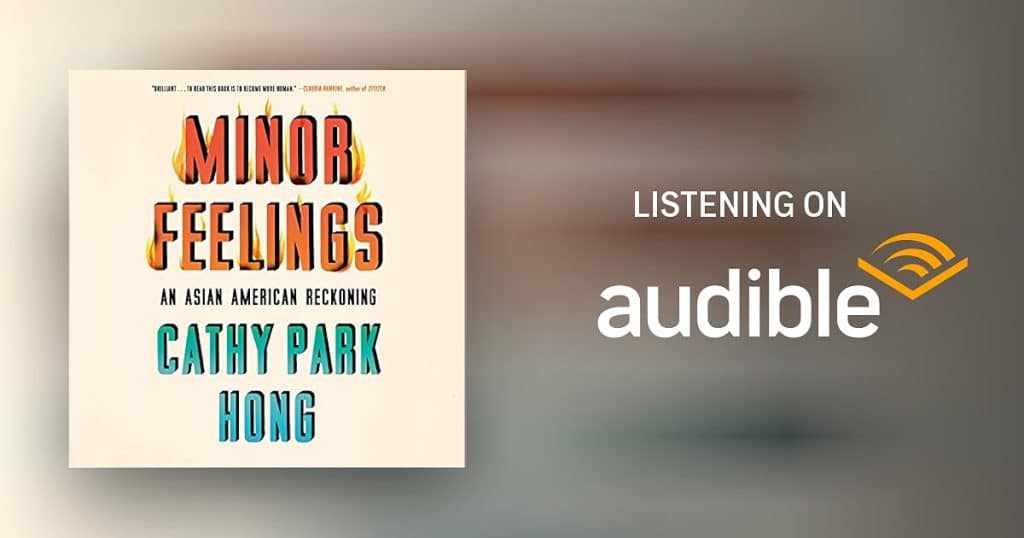
In recent years, there has been a surge of interest in Asian American literature, particularly works that explore the complexities of identity and belonging. One such book that has gained significant attention is “Minor Feelings: An Asian American Reckoning” by Cathy Park Hong. This powerful collection of essays delves into the experiences of Asian Americans and challenges conventional narratives of race and assimilation. If you’re part of a book club or simply want to engage in a thoughtful discussion, here are some book club questions to consider.
1. What were your initial impressions of “Minor Feelings”? How did it challenge or expand your understanding of the Asian American experience?
2. Hong discusses the concept of “minor feelings” throughout the book. How would you define “minor feelings” based on your reading?
3. The author shares personal anecdotes and experiences. How did these stories resonate with you? Did they remind you of any personal experiences or encounters?
4. Hong explores the complexities of identity and belonging. How does she navigate the tensions between her Korean heritage and American upbringing?
5. In “Minor Feelings,” Hong discusses the model minority myth and the harm it perpetuates. How did this chapter challenge your understanding of stereotypes and racial dynamics?
6. The author highlights the invisibility of Asian Americans in mainstream media and the arts. How does this impact representation and perceptions of Asian Americans in society?
7. Hong critiques the notion of “colorblindness” as a form of erasure. How does this concept play out in your own life or community?
8. The book explores the intersections of race, class, and gender. How do these intersections shape the experiences of Asian American women?
9. Hong discusses the experiences of Asian Americans in predominantly white spaces, such as academia or the workplace. Have you encountered similar challenges or microaggressions?
10. The author reflects on her own journey of embracing her voice and writing as a form of resistance. How has writing or other forms of artistic expression helped you navigate your own experiences?
See these Minor Feelings Book Club Questions
- 11. How does Hong’s use of language and storytelling techniques contribute to the overall impact of the essays?
- 12. Hong discusses the concept of “gaslighting” in relation to the Asian American experience. How does this resonate with you?
- 13. The author reflects on the notion of “double consciousness” and the constant negotiation of identity. Can you relate to this experience?
- 14. Hong explores the complexities of interracial relationships. How does she challenge preconceived notions of love and desire?
- 15. The book addresses the silence and erasure of Asian American history. How can we actively work towards reclaiming and preserving our own narratives?
- 16. Hong discusses the pressure to perform and excel in Asian American communities. How does this impact mental health and well-being?
- 17. The author explores the role of humor and satire in addressing racism and stereotypes. How does humor help navigate difficult conversations?
- 18. Hong reflects on the Asian American experience in the context of broader social justice movements. How can we build solidarity across different communities?
- 19. The book challenges the idea of a singular Asian American identity. How can we celebrate our diverse experiences and histories?
- 20. Hong discusses the impact of historical trauma on Asian American communities. How can we address intergenerational trauma and its effects?
- 21. The author explores the complexities of language and translation. How does language shape our understanding of culture and identity?
- 22. Hong discusses the role of social media in shaping narratives and community building. How has social media impacted your own understanding of Asian American experiences?
- 23. The book addresses the experiences of Asian Americans in the wake of anti-Asian violence. How can we support and advocate for our communities?
- 24. Hong reflects on the power dynamics between Asian Americans and other communities of color. How can we navigate these complexities and build solidarity?
- 25. The author discusses the impact of generational differences within Asian American communities. How can we bridge these gaps and foster understanding?
- 26. Hong explores the ways in which Asian Americans are often reduced to stereotypes. How can we challenge these narratives and reclaim our humanity?
- 27. The book addresses the experiences of Asian Americans in predominantly white institutions. How can we create more inclusive spaces?
- 28. Hong reflects on the myth of the “model minority” and the harm it perpetuates. How can we dismantle this myth and advocate for equality?
- 29. The author discusses the complexities of cultural assimilation and the loss of language and traditions. How can we preserve our heritage while embracing our present?
- 30. Hong explores the concept of “whitening” and the pressures to conform to Western beauty standards. How can we challenge these standards and celebrate our diversity?
- 31. The book highlights the erasure of Asian American contributions to art, literature, and history. How can we amplify these voices and reclaim our narratives?
- 32. Hong reflects on the intersections of race, class, and gender in relation to Asian American experiences. How can we address these intersections and work towards equity?
- 33. The author discusses the impact of stereotypes and microaggressions on mental health. How can we support one another’s well-being?
- 34. Hong challenges the notion of the “model minority” as a divisive tactic. How can we build solidarity across different communities of color?
- 35. The book addresses the experiences of Asian Americans in the context of immigration and diaspora. How can we honor our roots while embracing our present?
- 36. Hong reflects on the power of storytelling and the importance of representation. How can we elevate diverse voices and narratives?
- 37. The author discusses the complexities of intergenerational relationships within Asian American families. How can we bridge these gaps and foster understanding?
- 38. Hong explores the concept of “racial melancholia” and the impact of historical trauma. How can we heal and move towards collective liberation?
- 39. The book addresses the experiences of Asian Americans in the context of global politics and imperialism. How can we challenge these power dynamics?
- 40. Hong reflects on the importance of self-reflection and self-care in navigating the complexities of the Asian American experience. How can we prioritize our own well-being?
These book club questions are just a starting point for engaging in a thoughtful discussion about “Minor Feelings: An Asian American Reckoning.” Whether you’re part of a book club or reading the book individually, exploring these questions can deepen your understanding of the Asian American experience and challenge conventional narratives of race and identity.
Remember, the beauty of a book club is the diverse perspectives and insights each member brings. So, don’t be afraid to share your own thoughts and experiences as you discuss “Minor Feelings” and its impact on your own understanding of the world.






