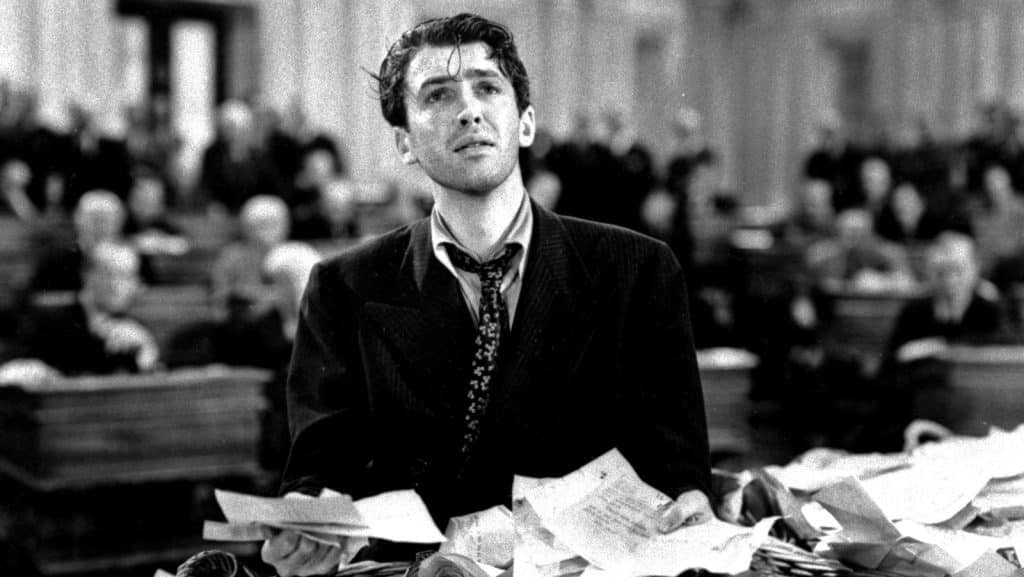
Released in 1939, “Mr Smith Goes to Washington” is a classic American political drama film directed by Frank Capra. The movie follows the story of Jefferson Smith, a naive and idealistic young man who is appointed to fill a vacant seat in the United States Senate. As he learns about the corrupt nature of politics, Smith becomes determined to fight for justice and stand up against the powerful forces that seek to silence him. This film raises numerous thought-provoking questions about democracy, ethics, and the role of the individual in society.
In “Mr Smith Goes to Washington,” the main character faces several challenges and obstacles throughout his journey. These challenges lead to many questions that the audience may have while watching the movie. In this article, we have compiled a list of questions that will help you delve deeper into the themes and messages portrayed in this influential film.
So, let’s explore some of the most compelling “Mr Smith Goes to Washington” questions:
See these Mr Smith Goes to Washington questions:
What motivates Jefferson Smith to become involved in politics?
How does the film portray the influence of money in politics?
What role does the press play in shaping public opinion?
How does the character of Jefferson Smith change throughout the movie?
What does the film suggest about the power dynamics between politicians and their constituents?
Does “Mr Smith Goes to Washington” present an idealistic or realistic view of politics?
What is the significance of the Lincoln Memorial in the film?
How does the film address the theme of corruption in politics?
What does the character of Clarissa Saunders represent in the story?
How does the film portray the relationship between idealism and pragmatism in politics?
What is the role of filibustering in the movie, and how does it relate to democratic principles?
What message does the film convey about the importance of standing up for what you believe in?
Does “Mr Smith Goes to Washington” offer any solutions or alternatives to the issues it presents?
How does the film depict the power of public opinion and grassroots movements?
What are the consequences of political corruption portrayed in the movie?
How does the media influence public perception of politicians and political issues?
What does the film suggest about the use of patriotism as a political tool?
How does “Mr Smith Goes to Washington” reflect the political climate of its time?
What does the character of Joseph Paine represent in the story?
How does the film challenge the notion of a “perfect democracy”?
What parallels can be drawn between the events in the movie and real-life political situations?
How does “Mr Smith Goes to Washington” explore the theme of integrity in politics?
What role does gender play in the film’s portrayal of politics?
How does the film address the tension between individual interests and the greater good?
What does the character of Jim Taylor symbolize in the story?
How does the film portray the relationship between politicians and the media?
What does the film suggest about the importance of transparency in politics?
How does the film depict the struggle between idealism and cynicism?
What does the film imply about the role of compromise in politics?
How does the film present the idea of political accountability?
What role do ethics and morality play in “Mr Smith Goes to Washington”?
How does the film address the tension between personal ambition and serving the public?
What does the character of Governor Hubert Hopper represent in the story?
How does the film depict the power dynamics within the Senate?
What does the film suggest about the role of youth in politics?
How does the film explore the concept of political idealism?
What does the character of Diz Moore symbolize in the story?
How does the film depict the impact of political scandals on public trust?
What message does the film convey about the importance of civic engagement?
How does “Mr Smith Goes to Washington” address the idea of systemic change in politics?
What does the film suggest about the role of compromise in achieving political goals?
How does the film depict the power of public speaking in influencing political outcomes?
What does the character of Susan Paine represent in the story?
These questions are designed to spark further discussion and analysis of the themes and ideas presented in “Mr Smith Goes to Washington.” Whether you’re watching the movie for the first time or revisiting it, exploring these questions will enhance your understanding of the film’s enduring relevance and its commentary on the political landscape.