
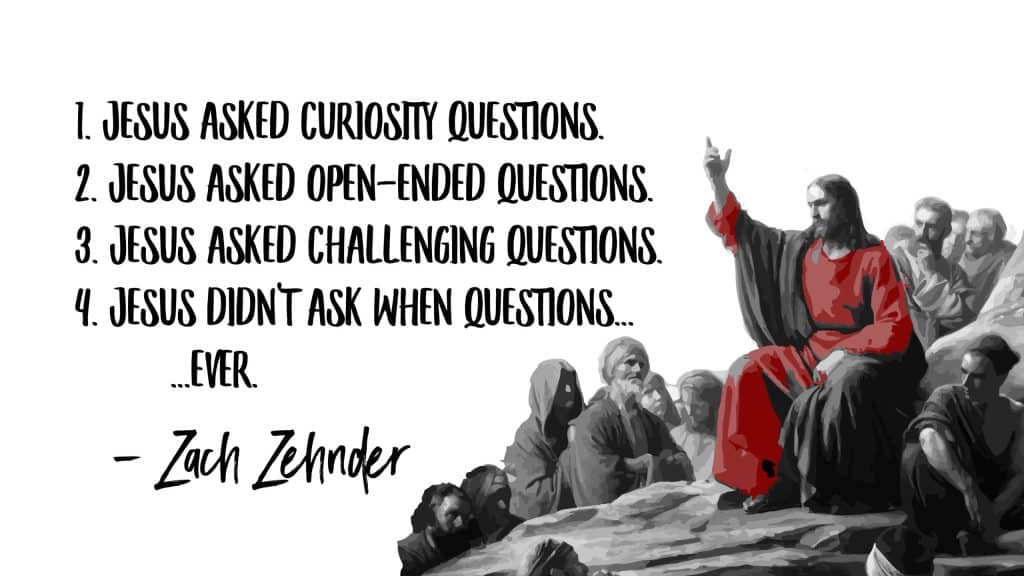
Religion has been a topic of fascination and debate for centuries. It encompasses various beliefs, practices, and traditions that shape people’s understanding of the world and their place in it. Whether you are religious yourself or simply curious about different faiths, asking open-ended questions about religion can lead to enlightening and thought-provoking conversations. These questions allow individuals to share their personal experiences, beliefs, and perspectives, fostering a deeper understanding and appreciation for the diversity of religious practices and beliefs.
When engaging in discussions about religion, it is essential to approach the conversation with an open mind and respect for others’ beliefs. Open-ended questions provide individuals with the opportunity to share their thoughts without feeling judged or pressured to conform to a particular viewpoint. They can also help individuals explore and reflect on their own beliefs, leading to personal growth and self-discovery.
In this article, we will explore a comprehensive list of open-ended questions about religion that can serve as conversation starters or sparks for personal reflection. Feel free to use these questions as prompts for meaningful discussions or as a guide to deepen your understanding of various religious perspectives.
See these Open Ended Questions About Religion
- What role does spirituality play in your life?
- How has religion shaped your understanding of the world?
- What do you think happens after death?
- What are some common misconceptions about your religion?
- How do you define faith?
- What rituals or practices are important to you in your religious tradition?
- What are your thoughts on the existence of a higher power or divine being?
- How do you reconcile religious beliefs with scientific discoveries?
- What is the significance of prayer in your religion?
- How has your understanding of religion evolved over time?
- How do you find meaning and purpose in life?
- What is the role of morality in religion?
- What does it mean to be a good person according to your religious beliefs?
- How does your religion address the concept of suffering?
- What are your thoughts on religious tolerance and coexistence?
- What impact does your religious community have on your life?
- How does your religion view other faiths?
- What is the role of forgiveness in your religious tradition?
- How do you interpret religious texts or scriptures?
- What values does your religion emphasize?
- How does your religion approach the concept of salvation?
- What role does compassion play in your religious beliefs?
- How has your religious community supported you in times of difficulty?
- What are some common challenges or misconceptions you face as a follower of your religion?
- How does your religion address gender roles and equality?
- What do you think is the purpose of religious rituals?
- How does your religion view the relationship between humans and nature?
- What are the core teachings of your religion?
- How do you navigate conflicts between your religious beliefs and societal norms?
- What is your perspective on the concept of “religious truth”?
- How does your religion view the concept of sin?
- What are your thoughts on the afterlife?
- How does your religion approach the concept of free will?
- What is the significance of community in your religious tradition?
- How do you find solace or comfort in your religious beliefs?
- What is the role of reason and logic in your religious understanding?
- How does your religion view the relationship between science and faith?
- What are some key principles or teachings of your religion?
- How does your religion address the concept of evil?
- What is the importance of religious holidays or festivals in your tradition?
- How do you view the relationship between religion and morality?
- What are your thoughts on the concept of divine intervention?
- How has your religious upbringing influenced your beliefs?
Remember, these open-ended questions are meant to initiate respectful and meaningful conversations about religion. Use them as a starting point to explore different perspectives and deepen your understanding of the diverse beliefs and practices that shape our world.






