
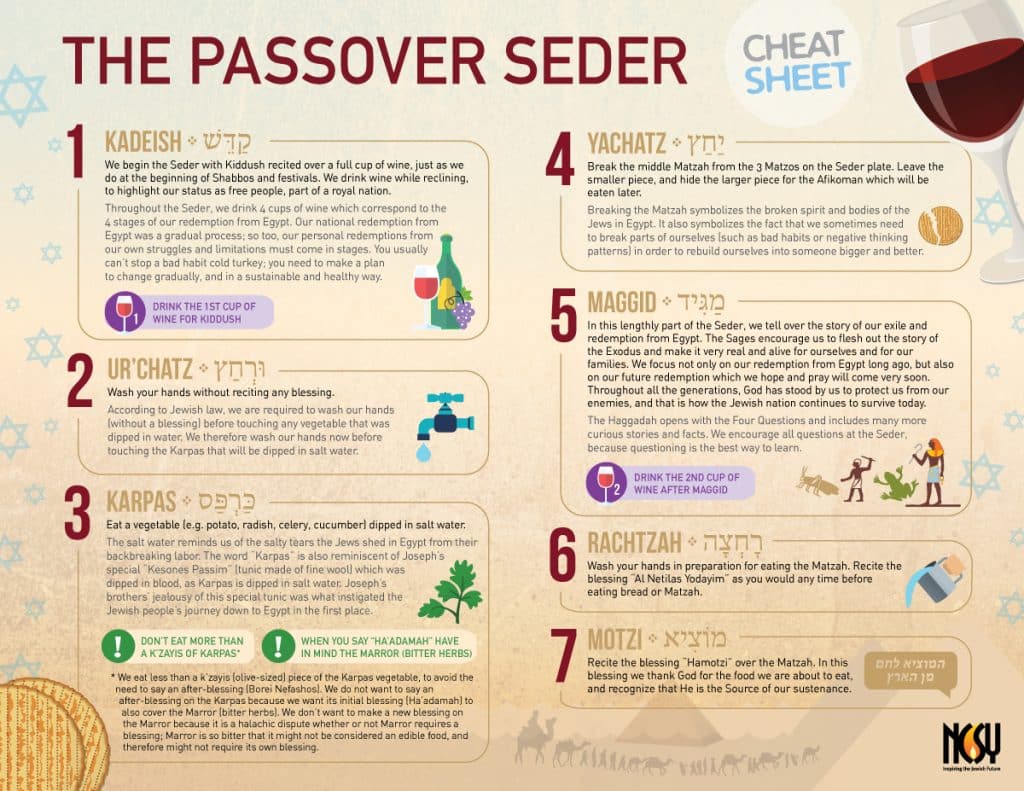
Passover, also known as Pesach, is a significant Jewish holiday that commemorates the liberation of the Israelites from slavery in ancient Egypt. It is a time for families to come together and retell the story of the Exodus through a special meal called the Seder. The Seder is filled with rituals, prayers, and symbolic foods, and it is customary to ask questions to engage everyone at the table in the retelling of the story. In this article, we have compiled a list of Passover questions for the Seder to help facilitate meaningful discussions and deepen your understanding of this important holiday.
Asking questions during the Seder is an essential part of the Passover tradition. It encourages active participation and invites individuals to reflect on the significance of the Exodus story in their own lives. The Passover questions listed below cover various aspects of the Seder, from the rituals and symbols to the themes and lessons derived from the story. Feel free to use these questions to spark conversations and promote a deeper understanding of the holiday.
So, let’s dive into these Passover questions for the Seder and ignite insightful discussions that will make this year’s celebration even more meaningful.
See these Passover questions for the Seder:
- Why do we celebrate Passover?
- What does the word “Pesach” mean?
- Why do we eat matzah during Passover?
- What is the significance of the Seder plate?
- Why do we dip our vegetables in saltwater?
- Why do we recline during the Seder?
- What is the purpose of the four cups of wine?
- Why is the story of the Exodus read aloud?
- What is the meaning of the bitter herbs on the Seder plate?
- Why is the shank bone on the Seder plate?
- Why do we open the door for Elijah?
- Why is the afikoman hidden?
- What is the significance of the Ten Plagues?
- Why do we sing Dayenu during the Seder?
- What are the different parts of the Haggadah?
- What is the role of the youngest child during the Seder?
- What lessons can we learn from the story of the Exodus?
- Why is it important to retell the story of the Exodus every year?
- What does freedom mean to you?
- How can the story of the Exodus inspire us to fight for justice?
- Why do we say “Next year in Jerusalem” at the end of the Seder?
- What does the Seder symbolize in Jewish culture?
- Why is Passover considered a family-oriented holiday?
- How does Passover connect us to our ancestors?
- What are some Passover traditions in different Jewish communities?
- Why is the number four significant in the Passover story?
- What is the historical significance of the Exodus?
- How does the Passover story relate to modern-day struggles for freedom?
- Why is it important to ask questions during the Seder?
- What role does gratitude play in the Passover celebration?
- How can we incorporate the values of Passover into our daily lives?
- What is the significance of the Miriam’s Cup?
- Why do we include a cup for the Prophet Elijah?
- What are some Passover customs in different countries around the world?
- What are some Passover recipes that have been passed down in your family?
- Why do we eat bitter herbs during the Seder?
- What is the connection between Passover and the concept of redemption?
- How does the Passover story teach us the importance of perseverance?
- What is the symbolism behind the matzah cover?
- Why do we sing the song “Chad Gadya” at the end of the Seder?
- How can we make the Passover story relevant to our lives today?
- What are some modern-day examples of oppression that resonate with the Passover story?
- How can we pass on the traditions and values of Passover to future generations?
- What are some ways to incorporate social justice into the Passover celebration?
- Why is the Exodus story considered a central narrative in Jewish history?
These Passover questions for the Seder will surely spark thought-provoking discussions and deepen your understanding of the holiday. Remember, Passover is not only a time for retelling the story of the Exodus but also an opportunity to reflect on our own journeys towards freedom and liberation.






