
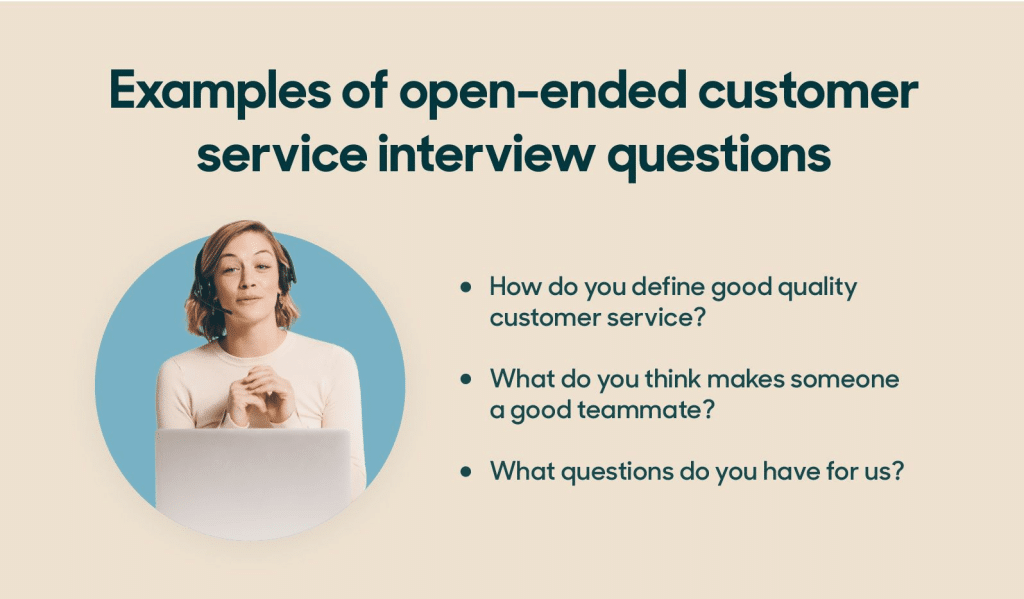
When it comes to providing effective peer support, asking the right questions can make all the difference. Clients seeking peer support often require empathy, understanding, and guidance to overcome challenges they face. As a peer supporter, being equipped with a range of thoughtful questions can help you create a safe and supportive environment for your clients to share their experiences and find the support they need. In this article, we will explore a comprehensive list of peer support questions for clients.
Peer support questions serve as a powerful tool to encourage clients to reflect on their thoughts, feelings, and experiences. They can help clients gain clarity, identify their strengths, and develop strategies to navigate difficult situations. By asking open-ended questions, you allow clients to share their perspectives and explore their own solutions. These questions can also help build rapport and trust between you and your clients, fostering a strong foundation for successful peer support.
It is important to note that every client is unique, and not all questions will be suitable for every individual. Use these questions as a guide and adapt them to fit the specific needs and circumstances of each client. Remember to actively listen, be non-judgmental, and validate your clients’ experiences throughout the support process.
See these peer support questions for clients
- What led you to seek peer support?
- Can you describe the challenges you are currently facing?
- How do these challenges impact your daily life?
- What coping mechanisms have you tried so far?
- What are your strengths that have helped you in the past?
- What goals would you like to achieve through peer support?
- How would you define success in overcoming these challenges?
- What support systems do you currently have in place?
- How do you usually handle stress?
- What self-care practices do you engage in?
- What brings you joy and fulfillment in life?
- What strategies have worked well for you in the past?
- What are your most significant fears or concerns in seeking support?
- What do you hope to gain from sharing your experiences with a peer supporter?
- What does a supportive and empathetic environment look like to you?
- How do you typically communicate your needs and boundaries?
- What changes would you like to see in your current situation?
- What obstacles do you anticipate in working towards your goals?
- What motivates you to keep moving forward?
- What role does self-compassion play in your life?
- What strategies can you implement to cultivate self-compassion?
- How do you envision your life without these challenges?
- What steps can you take to build a support network?
- What self-limiting beliefs hold you back from reaching your potential?
- What steps can you take to challenge and overcome these beliefs?
- What are some healthy ways to manage and express your emotions?
- What resources or tools have you found helpful in the past?
- What are your personal values, and how do they guide your decisions?
- What steps can you take to improve your self-esteem and self-worth?
- What boundaries do you need to establish or reinforce in your life?
- What strategies can you use to manage conflict effectively?
- What are some alternative perspectives you can consider in challenging situations?
- What are your goals for personal growth and self-improvement?
- What steps can you take to enhance your resilience?
- What are some positive affirmations or mantras that resonate with you?
- What does a balanced and fulfilling life look like to you?
- What strategies can you implement to improve your communication skills?
- What are some healthy coping strategies you can use during difficult times?
- What does self-advocacy mean to you, and how can you practice it?
- What are your plans for celebrating your accomplishments, no matter how small?
- What steps can you take to build a more positive and supportive inner dialogue?
Remember, the key to effective peer support is to create a safe and non-judgmental space where clients feel heard and valued. By asking these peer support questions, you can help your clients gain insights, find solutions, and empower themselves on their journey towards personal growth and well-being.






