
Person-centered therapy is a humanistic approach that focuses on understanding an individual’s unique experience and perspective. Developed by psychologist Carl Rogers, this therapeutic approach emphasizes the importance of empathy, unconditional positive regard, and genuineness in fostering personal growth and self-actualization. One of the key techniques used in person-centered therapy is asking open-ended questions that encourage clients to explore their thoughts, feelings, and beliefs. These person-centered therapy questions play a crucial role in helping individuals gain insight into their own experiences and find their own solutions to challenges.
In person-centered therapy, the therapist acts as a facilitator, creating a safe and non-judgmental space for the client to explore their inner world. By asking thought-provoking questions, the therapist encourages the client to delve deeper into their thoughts, emotions, and behaviors. This self-exploration process helps clients gain a better understanding of themselves and their experiences, leading to personal growth and positive change.
Whether you are a therapist looking for effective person-centered therapy questions or an individual interested in self-reflection and personal development, below are some powerful questions that can help guide your exploration. These questions are designed to promote self-awareness, reflection, and insight.
See these person-centered therapy questions:
- What are some of the most important values in your life?
- How do you define success?
- What are your biggest fears and how do they hold you back?
- What do you believe is your purpose in life?
- How do you handle difficult emotions?
- What are your strengths and how can you leverage them?
- What are some patterns or themes you notice in your relationships?
- What activities or hobbies bring you joy?
- What does self-care mean to you?
- How do you handle criticism and feedback?
- What are your core beliefs about yourself?
- What are some barriers that prevent you from reaching your goals?
- What are some of the most significant life experiences that have shaped you?
- How do you handle stress?
- What are your dreams and aspirations?
- What are some of the negative thoughts or self-talk that you often engage in?
- What does a fulfilling life look like to you?
- How do you define happiness?
- What are your sources of support in times of need?
- What are your biggest regrets and how can you learn from them?
- How do you handle conflicts?
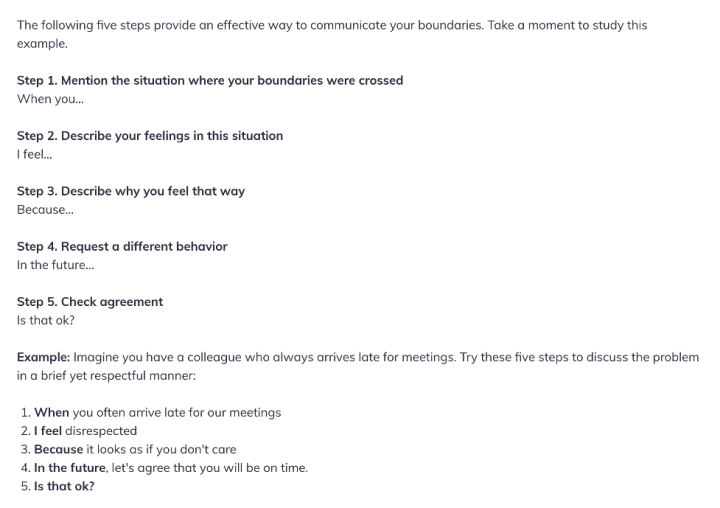
- What are your personal boundaries and how do you enforce them?
- What are your career goals and aspirations?
- What are your coping mechanisms in times of stress?
- How do you define love?
- What are your beliefs about failure?
- What are your long-term goals in life?
- How do you handle change and uncertainty?
- What are your sources of inspiration and motivation?
- What are your spiritual or philosophical beliefs?
- How do you take care of your physical health?
- What are your expectations of yourself and others?
- What are your dreams and aspirations for your relationships?
- How do you handle feelings of loneliness?
- What are your beliefs about forgiveness?
- What are your strategies for self-reflection and self-improvement?
- How do you navigate and manage conflicts within your family?
- What are your beliefs about money and success?
- What are your hopes for the future?
- How do you define personal growth?
- What are your strategies for self-care and self-compassion?
- What are your values and how do they guide your actions?
- What are your strategies for managing time and prioritizing tasks?
These person-centered therapy questions act as gateways to self-discovery and personal growth. By exploring these questions and engaging in deep introspection, individuals can gain a better understanding of themselves, their values, and their goals. Whether in therapy or self-reflection, these questions can help unlock insights and pave the way for positive change.






