
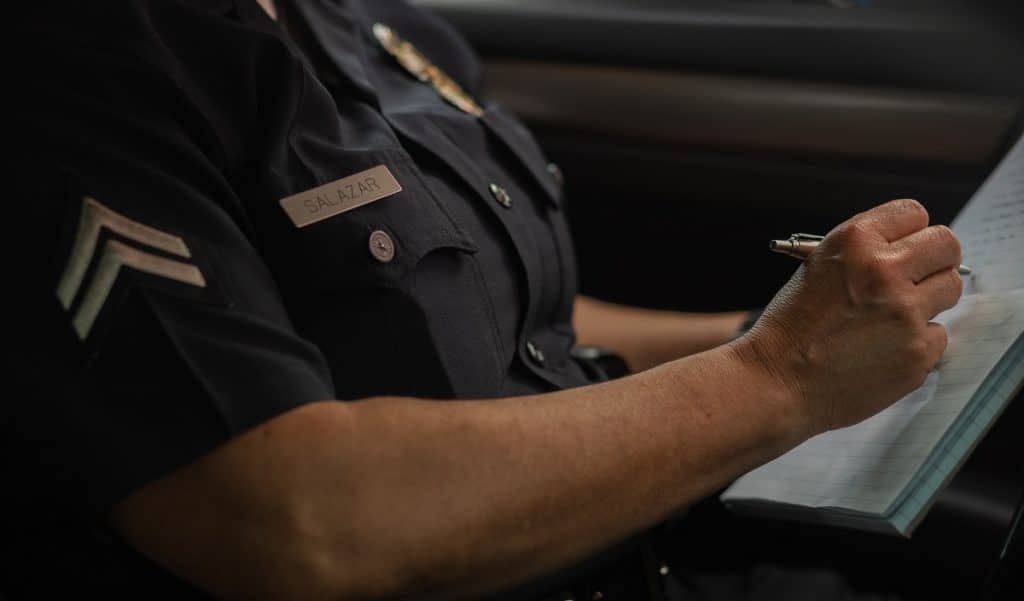
When it comes to hiring a police field training officer, it is crucial to ask the right interview questions to ensure that the candidate is qualified and capable of training new recruits effectively. The role of a field training officer is essential in shaping the future of law enforcement, as they are responsible for teaching and guiding new officers during their probationary period. In this article, we will discuss the importance of conducting a thorough interview for this position and provide you with a comprehensive list of interview questions to help you make an informed decision.
The interview process for a police field training officer should not be taken lightly. It is essential to assess the candidate’s knowledge, experience, and ability to effectively communicate and teach others. The questions asked during the interview should focus on evaluating the candidate’s understanding of law enforcement principles, their teaching methods, and their problem-solving skills. By asking the right questions, you can gain valuable insight into the candidate’s ability to handle the responsibilities of a field training officer.
As an employer, it is important to remember that the role of a field training officer goes beyond teaching basic law enforcement skills. The candidate should also possess qualities such as leadership, patience, and the ability to adapt to different learning styles. By asking specific interview questions, you can determine whether the candidate possesses these essential qualities, ensuring that they are the right fit for the position.
See these Police Field Training Officer Interview Questions
- Can you describe your experience as a field training officer?
- What methods do you use to assess the progress of probationary officers?
- How do you handle difficult and challenging trainees?
- What steps do you take to ensure that trainees understand and apply department policies and procedures?
- Can you provide an example of a situation where you had to address a trainee’s performance issue?
- How do you handle conflicts or disagreements with trainees?
- What strategies do you utilize to promote a positive learning environment?
- How do you stay updated with the latest law enforcement practices and techniques?
- What steps do you take to ensure the safety of trainees during field training exercises?
- How do you manage your time and prioritize tasks as a field training officer?
- How do you handle situations where a trainee is not meeting the required standards?
- Can you describe a challenging situation you encountered as a field training officer and how you resolved it?
- What qualities do you believe are important for a successful field training officer?
- How do you handle trainees who are resistant to feedback or instruction?
- Can you describe a time when you had to modify your training approach to accommodate a trainee’s learning style?
- How do you promote ethical behavior and integrity among trainees?
- What steps do you take to ensure the confidentiality of trainee evaluations?
- How do you handle situations where a trainee is struggling with physical fitness requirements?
- Can you provide an example of a successful trainee you have trained, and what qualities made them successful?
- How do you handle stress and pressure in the field training officer role?
- What steps do you take to provide constructive feedback to trainees?
- Can you describe a time when you had to mentor a trainee who was struggling with confidence?
- How do you handle trainees who exhibit biased or discriminatory behavior?
- What steps do you take to ensure the professional development of trainees?
- Can you provide an example of a time when you had to address a trainee’s emotional well-being during training?
- How do you handle trainees who are resistant to change or new techniques?
- What steps do you take to ensure that trainees are prepared for real-life scenarios?
- Can you describe a time when you had to handle a trainee’s mistake or error in judgment?
- How do you handle situations where a trainee is struggling with interpersonal skills?
- What steps do you take to ensure that trainees understand and respect cultural diversity?
- Can you provide an example of a time when you had to address a trainee’s unprofessional behavior?
- How do you handle situations where a trainee is struggling with report writing or documentation?
- What steps do you take to ensure the physical and mental well-being of trainees during training?
- Can you describe a time when you had to handle a trainee’s excessive use of force during training?
- How do you handle situations where a trainee is struggling with decision-making skills?
- What steps do you take to ensure that trainees are prepared for courtroom testimony?
- Can you provide an example of a time when you had to address a trainee’s inappropriate use of social media?
- How do you handle situations where a trainee is struggling with conflict resolution skills?
- What steps do you take to ensure that trainees understand and follow community policing principles?
- Can you describe a time when you had to handle a trainee’s resistance to following department policies?
- How do you handle situations where a trainee is struggling with communication skills?
- What steps do you take to ensure that trainees are prepared for emergency response situations?
- Can you provide an example of a time when you had to address a trainee’s involvement in an inappropriate relationship?
- How do you handle situations where a trainee is struggling with problem-solving skills?
- What steps do you take to ensure that trainees understand and adhere to constitutional rights?
These interview questions are designed to help you identify the most qualified candidates for the position of a police field training officer. However, it is crucial to remember that interviews should be supplemented with other evaluation methods, such as background checks, reference checks, and practical exercises, to make a well-informed hiring decision.






