
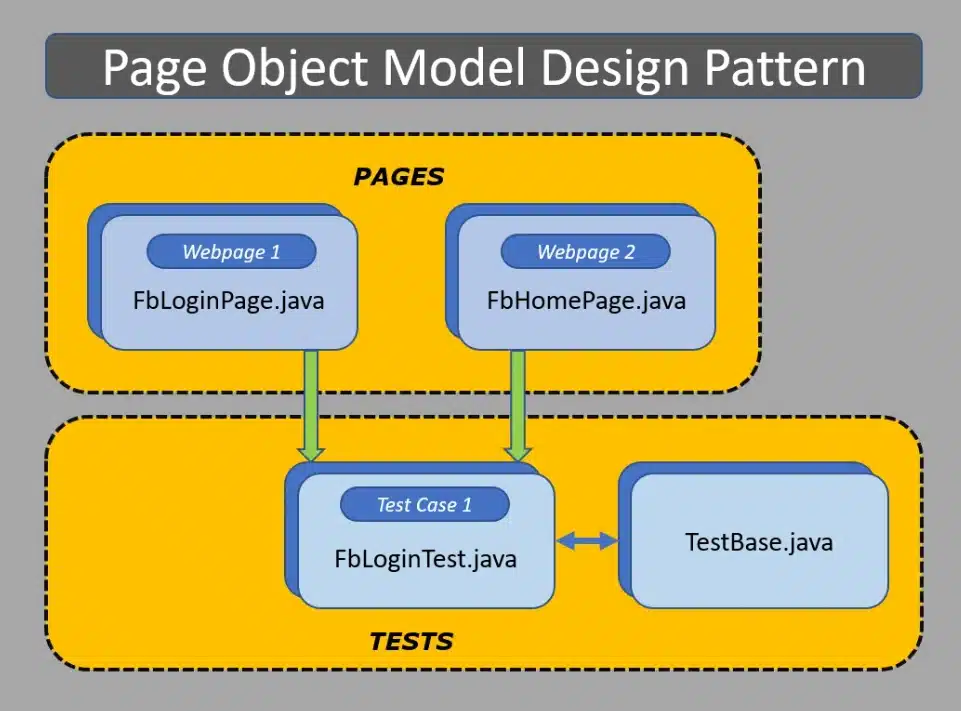
The Page Object Model (POM) is a design pattern commonly used in test automation to enhance code reusability and maintainability. It allows for the creation of a separate class for each web page or component, encapsulating all the actions and elements related to that specific page. When interviewing candidates for a position that involves test automation using POM, it is important to ask relevant questions to evaluate their understanding and expertise in this area. In this article, we will provide a comprehensive list of POM interview questions to help you assess potential candidates.
Before we dive into the questions, it’s crucial to understand the fundamentals of POM. POM follows the principle of “one class per page,” where each class represents a web page or component and contains all the elements and actions associated with that page. The POM pattern aims to separate the test logic from the page structure, making the code more modular and maintainable. With this understanding, let’s explore some common POM interview questions.
When interviewing candidates for a POM-related position, consider asking questions about the benefits of using POM, the implementation process, and their experience with POM frameworks or tools. Evaluating their knowledge about best practices and their ability to handle common challenges in POM will also give you valuable insights into their proficiency in test automation.
See these pom interview questions
- What is the Page Object Model (POM) and why is it useful in test automation?
- Explain the concept of “one class per page” in POM.
- How do you implement POM in your test automation framework?
- What are the advantages of using POM in test automation?
- What are the common challenges faced when implementing POM?
- How do you handle dynamic elements in POM?
- What is the difference between PageFactory and Page Object in POM?
- How do you handle nested frames in POM?
- What are the best practices for organizing page objects in POM?
- How do you handle synchronization issues in POM?
- Explain the concept of “Page Object Model inheritance” in POM.
- What is the role of a base page class in POM?
- How do you handle pop-up windows in POM?
- What are the different types of locators used in POM?
- How do you handle multiple windows in POM?
- What are the advantages of using a POM framework or tool?
- How do you handle AJAX calls in POM?
- What is the role of a page factory in POM?
- How do you handle authentication pop-ups in POM?
- What are the common design patterns used in POM?
- How do you handle dropdown menus in POM?
- What are the best practices for maintaining page objects in POM?
- How do you handle JavaScript alerts in POM?
- What is the difference between POM and Page Object?
- What are the disadvantages of using POM in test automation?
- How do you handle file uploads in POM?
- What are the limitations of using POM?
- What are the recommended coding standards for POM?
- How do you handle browser cookies in POM?
- What is the role of a page element class in POM?
- How do you handle browser navigation in POM?
- What are the best practices for writing robust tests using POM?
- How do you handle drag and drop actions in POM?
- What are the strategies for managing test data in POM?
- How do you handle browser cache in POM?
- What are the different types of assertions used in POM?
- How do you handle timeouts in POM?
- What are the best practices for error handling in POM?
- How do you handle browser resizing in POM?
- What are the recommended methods for logging in POM?
- How do you handle dynamic waits in POM?
- What are the best practices for maintaining test data in POM?
- How do you handle scroll actions in POM?
These are just a few examples of POM interview questions that can help you assess a candidate’s knowledge and experience in test automation using POM. Feel free to customize and add more questions based on your specific requirements. Remember, conducting a thorough interview will ensure you find the right candidate who can effectively contribute to your test automation efforts.






