
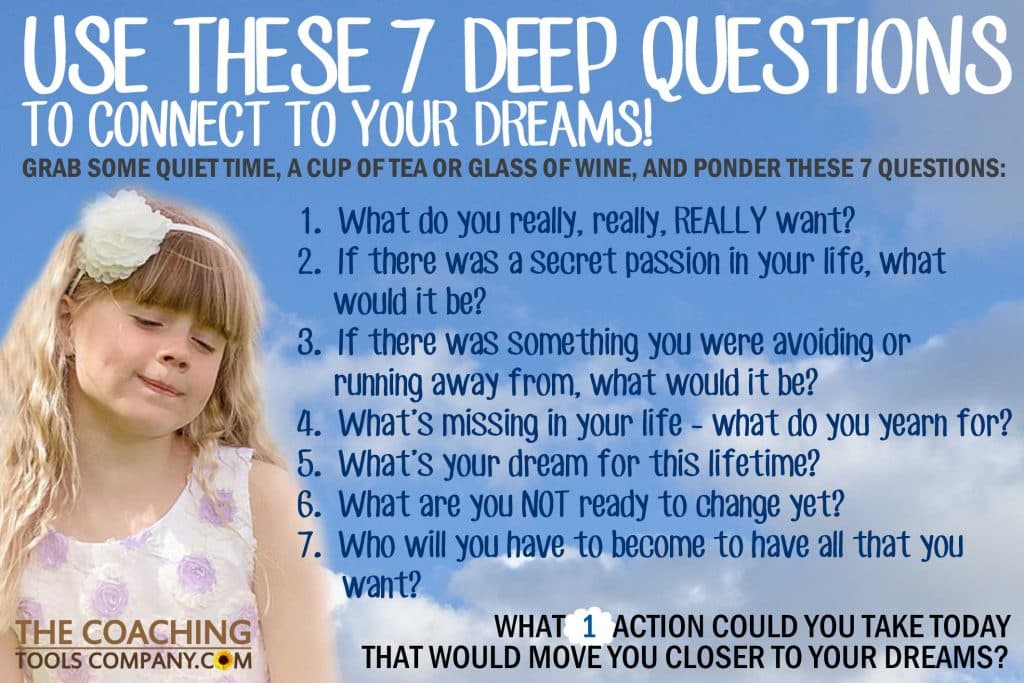
Asking the right questions is a crucial skill in any aspect of life. Whether you are trying to solve a problem, make a decision, or gain a deeper understanding of a situation, powerful questions can help you uncover valuable insights and perspectives. These questions are designed to challenge your assumptions, stimulate creative thinking, and encourage exploration of new possibilities. In this article, we will explore the concept of powerful questions and provide you with a list of thought-provoking examples.
Powerful questions are open-ended and thought-provoking inquiries that encourage introspection and critical thinking. They go beyond the surface level and delve into the deeper layers of a topic or issue. These questions often challenge the status quo and help individuals or teams uncover new ideas and solutions. By asking powerful questions, you can unlock fresh perspectives, foster innovation, and facilitate personal and professional growth.
When asking powerful questions, it is important to create a safe and non-judgmental environment where individuals feel comfortable exploring their thoughts and ideas. These questions are not meant to be answered with a simple “yes” or “no.” Instead, they require reflection and a willingness to dig deeper into one’s own beliefs, assumptions, and biases.
See these powerful questions
- What are the underlying assumptions behind this situation?
- What would you do if you were not afraid of failure?
- How can we approach this problem from a different perspective?
- What are the potential consequences of not taking action?
- What would success look like in this scenario?
- What are the biggest barriers preventing progress?
- How can we leverage our strengths to overcome challenges?
- What is the root cause of this issue?
- What can we learn from past failures?
- What is the worst-case scenario, and how can we mitigate it?
- What assumptions are we making that might be limiting our options?
- What would happen if we approached this problem with empathy?
- What are the long-term implications of our decisions?
- What resources do we currently have that can help us?
- How can we turn this challenge into an opportunity?
- What is the bigger picture that we might be missing?
- What are the potential risks and rewards of this course of action?
- What is the best possible outcome, and how can we work towards it?
- How can we create a win-win situation for everyone involved?
- What would happen if we let go of our need for control?
- What are the key factors influencing this decision?
- How can we embrace uncertainty and embrace change?
- What can we learn from individuals who have faced similar challenges?
- What is the most important question we should be asking right now?
- What assumptions are we making about our customers/clients?
- How can we encourage collaboration and diverse perspectives?
- What would it look like if we took a step back and observed this situation objectively?
- What is the value in exploring alternative solutions?
- How can we measure progress and success?
- What can we do to foster a culture of continuous learning and improvement?
- What are the potential unintended consequences?
- What are the underlying emotions driving our actions?
- How can we break down this complex problem into smaller, manageable parts?
- What is the cost of inaction?
- What can we learn from our past successes?
- How can we challenge our own biases and assumptions?
- What is the best way to communicate and collaborate with others?
- What would happen if we approached this situation with curiosity and openness?
- What is the most important thing we need to consider right now?
- How can we encourage creativity and innovation?
- What is the worst thing that could happen if we take a different approach?
- What are the potential roadblocks and how can we overcome them?
- What is the impact of our actions on others?
- How can we create a sense of ownership and accountability?
These powerful questions are just a starting point. Feel free to adapt and modify them to suit your needs and the specific situations you encounter. By incorporating powerful questioning into your personal and professional life, you can unlock new insights, challenge the status quo, and foster growth and innovation.






