
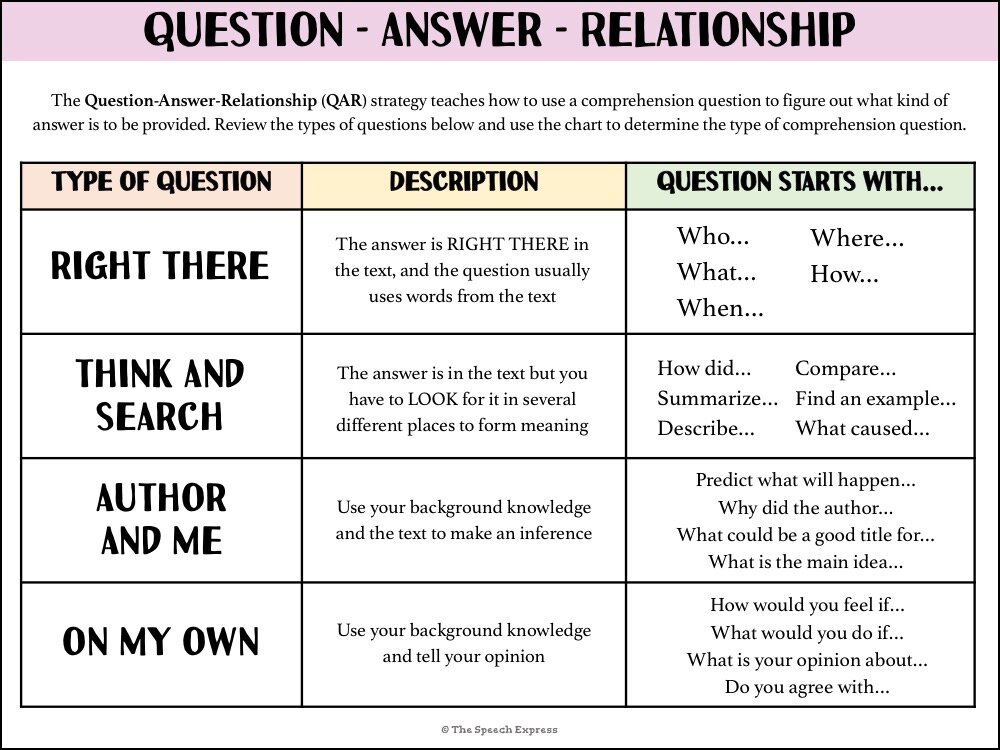
Reading comprehension is a crucial skill that students need to develop in order to succeed academically. One effective strategy for enhancing reading comprehension is the use of prediction questions. By asking students to make predictions about what they think will happen in a text, teachers can activate their prior knowledge and engage them in the reading process. This article will provide a comprehensive list of prediction questions for reading, which can be used to guide students’ understanding and analysis of various texts.
Before diving into the list of prediction questions, it is important to understand the purpose and benefits of using this strategy. Predicting helps students to become actively involved in the reading process by making connections between their prior knowledge and the text. It encourages them to think critically, make inferences, and form hypotheses about what might happen next. By engaging in this prediction-making process, students become more invested in the reading material and are more likely to comprehend and retain the information.
Now, let’s explore a variety of prediction questions that can be used for different types of texts, including fiction, non-fiction, poetry, and more. These questions can be adapted to suit the reading level and age of the students:
See these prediction questions for reading:
- What do you think will happen next?
- Based on the title, what do you think this text will be about?
- What can you predict about the main character?
- What do you think the problem in the story will be?
- What do you think the outcome of the story will be?
- What do you think the author’s main argument will be?
- What do you think the purpose of this article is?
- What do you predict the tone of the poem will be?
- What do you think the author’s viewpoint will be?
- What do you think the main theme of this text will be?
- What do you predict the setting of the story will be?
- What do you think the author’s purpose is in including this detail?
- What do you think the main idea of this paragraph will be?
- What do you predict the relationship between the characters will be?
- What do you think the conflict in the story will be?
- What do you predict the structure of the text will be?
- What do you think the author’s tone will be?
- What do you predict the outcome of this experiment will be?
- What do you think the author’s intention is in using this language?
- What do you predict the author’s conclusion will be?
- What do you think the main message of this text will be?
- What do you predict the impact of this event will be?
- What do you think the author’s opinion will be on this topic?
- What do you predict the main conflict of the story will be?
- What do you think the author’s purpose is in writing this memoir?
- What do you predict the tone of the article will be?
- What do you think the outcome of this historical event will be?
- What do you predict the author’s main point will be in this argument?
- What do you think the main character’s motivation will be?
- What do you predict the author’s stance will be on this issue?
- What do you think the climax of the story will be?
- What do you predict the author’s main focus will be in this chapter?
- What do you think the main effect of this decision will be?
- What do you predict the tone of the speech will be?
- What do you think the author’s purpose is in including this detail?
- What do you predict the main outcome of this scientific study will be?
- What do you think the author’s viewpoint will be on this controversial topic?
- What do you predict the resolution of the conflict will be?
- What do you think the author’s main goal will be in this self-help book?
- What do you predict the tone of the essay will be?
- What do you think the consequences of this action will be?
- What do you predict the author’s main argument will be in this editorial?
- What do you think the main lesson of this fable will be?
- What do you predict the tone of the memoir will be?
By utilizing prediction questions for reading, teachers can promote active engagement and critical thinking skills among their students. Encouraging students to make predictions before reading helps to set a purpose for reading and enhances their comprehension and analysis of the text. These prediction questions cover a wide range of reading materials and can be adapted to suit various grade levels and reading abilities. Incorporate these questions into your reading lessons and witness the improvement in your students’ reading comprehension.






