
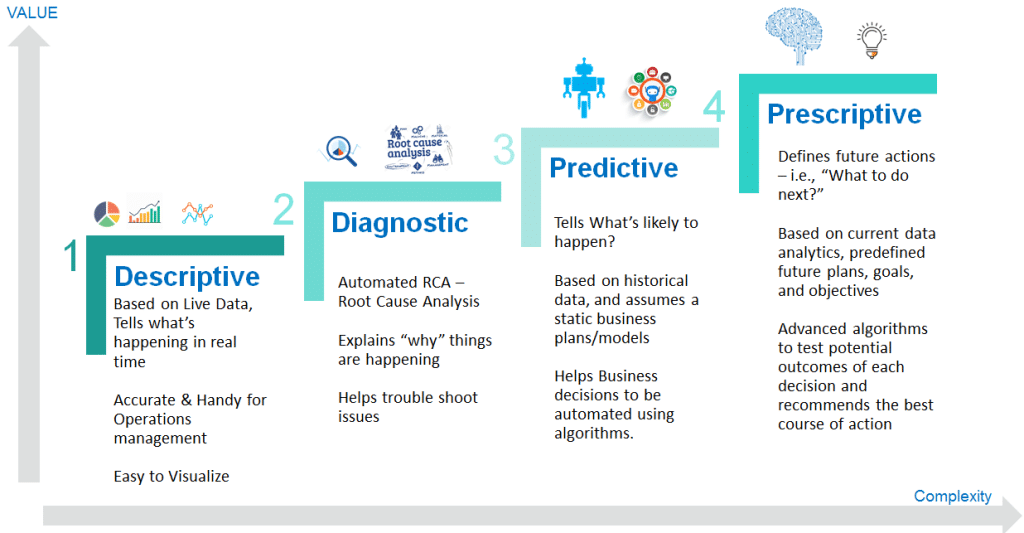
Predictive analytics is a powerful tool that allows businesses to gain insights and make data-driven decisions. By using historical data and statistical algorithms, organizations can predict future outcomes and trends. However, to effectively leverage predictive analytics, it is crucial to ask the right questions. Asking the right questions will help businesses identify the most relevant data, select the appropriate predictive models, and ultimately derive valuable insights.
In this article, we will explore some of the key questions that businesses should consider when using predictive analytics. These questions will help guide organizations in their quest for actionable insights and enable them to make informed decisions based on data-driven predictions.
Whether you are new to predictive analytics or have been using it for a while, these questions will serve as a helpful guide to ensure you are on the right track to leveraging the full potential of predictive analytics.
See these predictive analytics questions
- What is the goal of your predictive analytics project?
- What data sources are available for analysis?
- How clean and reliable is your data?
- What are the key variables that may influence the outcome?
- What historical data should be included in the analysis?
- What is the appropriate time period for the analysis?
- What is the target variable you want to predict?
- How will you measure the accuracy of the predictive model?
- What predictive modeling techniques are most suitable for your data?
- How will you handle missing or incomplete data?
- What are the potential risks and limitations of your predictive model?
- How will you validate and test the predictive model?
- What is the expected timeline for the project?
- What resources and expertise are required for the analysis?
- What software or tools will you use for predictive analytics?
- How will you communicate and present the results?
- What actions or decisions will be based on the predictive insights?
- How will you monitor and evaluate the performance of the predictive model?
- What steps will you take to ensure data privacy and security?
- How will you handle outliers or anomalies in the data?
- What are the potential biases in your data or analysis?
- How will you handle seasonality or trends in the data?
- What are the ethical considerations of your predictive analytics project?
- How will you handle the scalability of the predictive model?
- What is the cost-benefit analysis of implementing predictive analytics?
- How will you incorporate feedback and iterate on the predictive model?
- What are the potential business impacts of the predictive insights?
- How will you communicate the uncertainties and limitations of the predictive model?
- What external factors may influence the predictive outcomes?
- How will you handle the interpretability of the predictive model?
- What is the level of expertise and knowledge required to understand the predictive insights?
- How will you handle the long-term maintenance and updates of the predictive model?
- What are the potential biases or limitations in the data collection process?
- How will you handle the scalability of the predictive analytics infrastructure?
- What are the potential legal and regulatory considerations of your predictive analytics project?
- How will you ensure the fairness and accountability of the predictive model?
- What are the potential social or cultural implications of the predictive insights?
- How will you communicate the predictive insights to different stakeholders?
- What are the potential economic or financial impacts of the predictive insights?
- How will you handle the real-time or streaming data for predictive analytics?
- What are the potential biases or limitations in the predictive model training process?
- How will you handle the privacy concerns of individuals in the predictive analytics process?
- What are the potential risks of relying solely on predictive insights without considering other factors?
- How will you handle the integration of predictive analytics with existing systems or processes?
- What are the potential biases or limitations in the predictive model deployment process?
- How will you handle the interpretability and explainability of the predictive model outputs?
These questions are just a starting point to help you think critically about your predictive analytics project. As you dive deeper into your analysis, you may discover additional questions that are specific to your business and industry. By continuously asking the right questions and refining your predictive models, you will be able to unlock the full potential of predictive analytics and drive strategic decision-making based on data-driven insights.






