
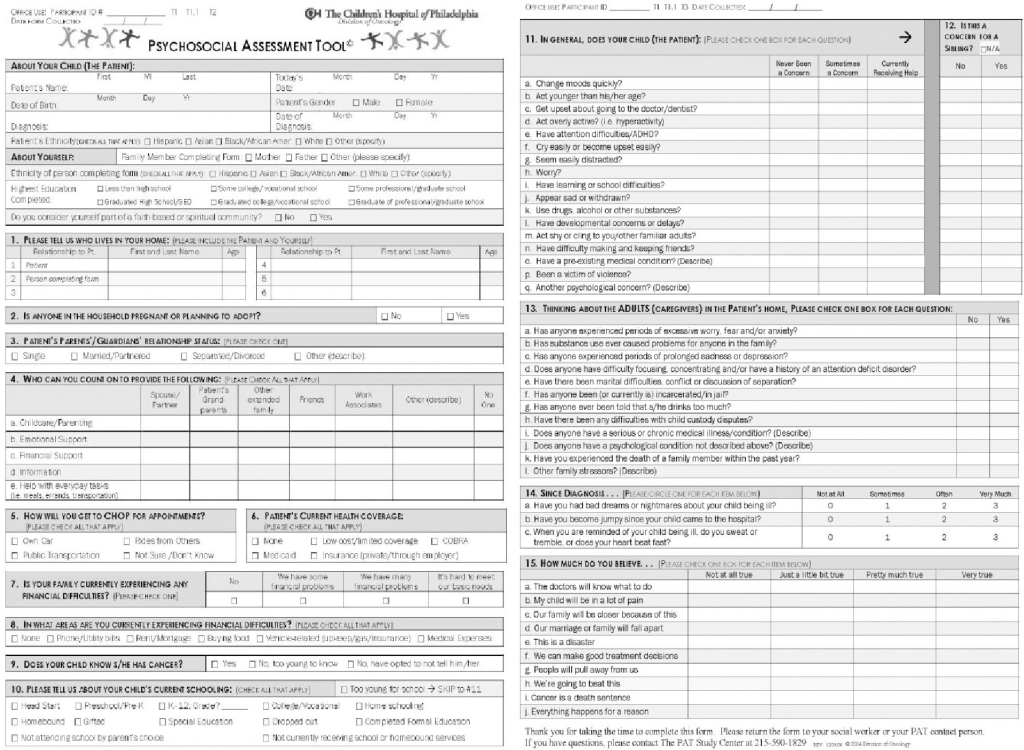
A psychosocial assessment is a valuable tool used by mental health professionals to evaluate an individual’s emotional, social, and psychological well-being. It helps in identifying any underlying factors that may be contributing to a person’s mental health issues and provides insights for developing an effective treatment plan. The assessment typically involves a series of questions that explore various aspects of a person’s life.
Whether you are a mental health professional conducting an assessment or an individual looking to gain a deeper understanding of your own well-being, having a comprehensive list of psychosocial assessment questions can be extremely beneficial. In this article, we have compiled a list of over 40 questions that cover different domains of a person’s psychosocial functioning.
See these Psychosocial Assessment Questions
- What is your current living situation?
- Do you have a support system in place?
- Have you experienced any recent life changes or stressful events?
- How would you describe your relationship with your family?
- What is your educational background?
- Are you currently employed or seeking employment?
- What are your hobbies or interests?
- Do you have any history of substance abuse?
- Have you ever been diagnosed with a mental health disorder?
- What is your current level of stress?
- Do you have any history of trauma or abuse?
- How do you cope with difficult emotions?
- Are you currently taking any medications?
- How would you describe your self-esteem?
- What are your goals for therapy?
- Do you have any history of suicidal thoughts or attempts?
- How do you typically handle conflicts in your relationships?
- What is your level of satisfaction with your social life?
- How do you define success?
- Have you ever been involved in any legal issues?
- Are you satisfied with your current level of physical health?
- What is your current level of social support?
- Have you experienced any symptoms of depression?
- How would you describe your communication style?
- What are your strengths and weaknesses?
- Do you have any history of self-harm?
- How do you manage your time and prioritize tasks?
- What are your preferred methods of relaxation or stress relief?
- Are you involved in any religious or spiritual practices?
- What is your level of satisfaction with your career?
- How would you describe your current sleep patterns?
- Do you have any history of eating disorders?
- What are your expectations from therapy?
- Have you ever had any hallucinations or delusions?
- How do you handle failure or setbacks?
- What is your level of satisfaction with your romantic relationships?
- Do you have any history of anxiety or panic attacks?
- What is your understanding of your current mental health condition?
- How do you manage your finances?
- Have you been involved in any recent traumatic events?
- What are your sources of support during difficult times?
- Do you have any history of obsessive-compulsive behaviors?
- How do you define a healthy work-life balance?
These questions are just a starting point and may vary depending on the specific needs of the individual or the purpose of the assessment. It is important to approach each question with empathy and create a safe space for the person to open up about their experiences. A thorough psychosocial assessment can provide valuable insights and pave the way for effective treatment and support.
Remember, if you are seeking professional help, it is always recommended to consult with a licensed mental health professional who can guide you through the assessment process and provide appropriate support.






