
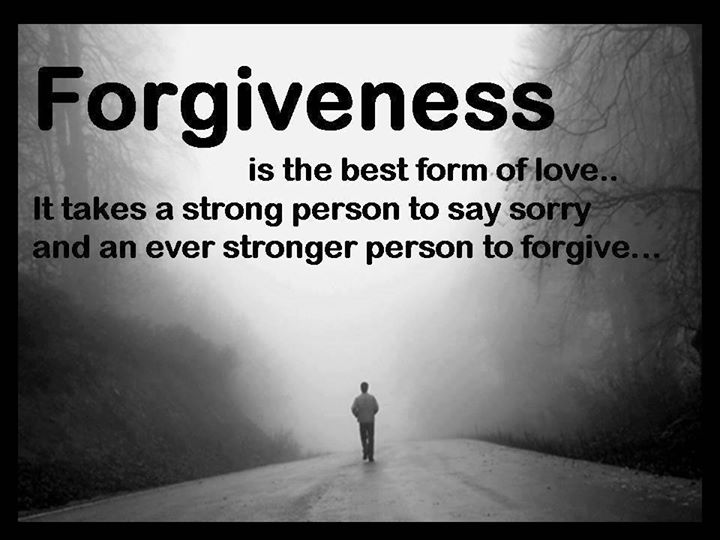
Forgiveness is a complex and deeply personal topic that often raises a multitude of questions. It is a process that involves letting go of anger, resentment, and the desire for revenge. Forgiving someone can be challenging, but it is also incredibly liberating and can lead to personal growth and healing. In this article, we will explore some common questions about forgiveness and provide insights to help you navigate this transformative journey.
Why is forgiveness important? Forgiveness is important for our mental, emotional, and physical well-being. Holding onto grudges and resentments can lead to increased stress, anxiety, and even physical health problems. Forgiving someone allows us to release negative emotions and move forward with our lives, fostering inner peace and happiness.
What does forgiveness mean? Forgiveness is not condoning or excusing someone’s actions. It does not mean forgetting what happened or reconciling with the person who hurt us. Instead, forgiveness is a decision to let go of the pain and anger, to no longer seek revenge, and to move towards healing and reconciliation within ourselves.
See these questions about forgiveness
- What is the first step towards forgiveness?
- How do I forgive someone who has not apologized?
- Can forgiveness be achieved without reconciliation?
- What are some strategies for forgiving oneself?
- How do I let go of resentment and bitterness?
- Is forgiveness a sign of weakness?
- How do I rebuild trust after being betrayed?
- What role does empathy play in forgiveness?
- Can forgiveness be considered a form of self-care?
- How does forgiveness impact our relationships?
- Is it possible to forgive and forget?
- What are the benefits of forgiving others?
- How do I know if I have truly forgiven someone?
- What are some common barriers to forgiveness?
- How can forgiveness contribute to personal growth?
- What does it mean to forgive but not forget?
- Can forgiveness help heal past trauma?
- How does forgiveness affect our mental health?
- What role does acceptance play in forgiveness?
- How do I forgive someone who is not remorseful?
- What is the connection between forgiveness and compassion?
- How does forgiveness impact our sense of self-worth?
- Can forgiveness be a form of closure?
- What are some practical steps for practicing forgiveness?
- How do I forgive someone who continues to hurt me?
- What are some signs that I am holding onto grudges?
- How can forgiveness improve our overall well-being?
- What is the difference between forgiveness and reconciliation?
- How do I forgive someone who has caused me significant pain?
- What are some forgiveness exercises or techniques?
- Can forgiveness be a gradual process?
- How does forgiveness impact our ability to trust again?
- What are the consequences of not forgiving someone?
- How can forgiveness help in resolving conflicts?
- What are some self-reflection questions to aid in forgiveness?
- How does forgiveness contribute to personal happiness?
- Can forgiveness help in breaking the cycle of pain?
- How do I forgive someone without minimizing my own pain?
- What are some common myths about forgiveness?
- How does forgiveness affect our overall perspective on life?
- Can forgiveness be a form of self-forgiveness?
- What are some potential roadblocks to forgiving oneself?
- How can forgiveness impact our ability to move forward?
These questions about forgiveness are just the tip of the iceberg. Exploring the depths of forgiveness requires introspection, empathy, and a willingness to let go of the past. Remember, forgiveness is a personal journey, and there is no right or wrong way to navigate it. By embracing forgiveness, we can free ourselves from the burdens of resentment and open the doors to a more peaceful and fulfilling life.






