
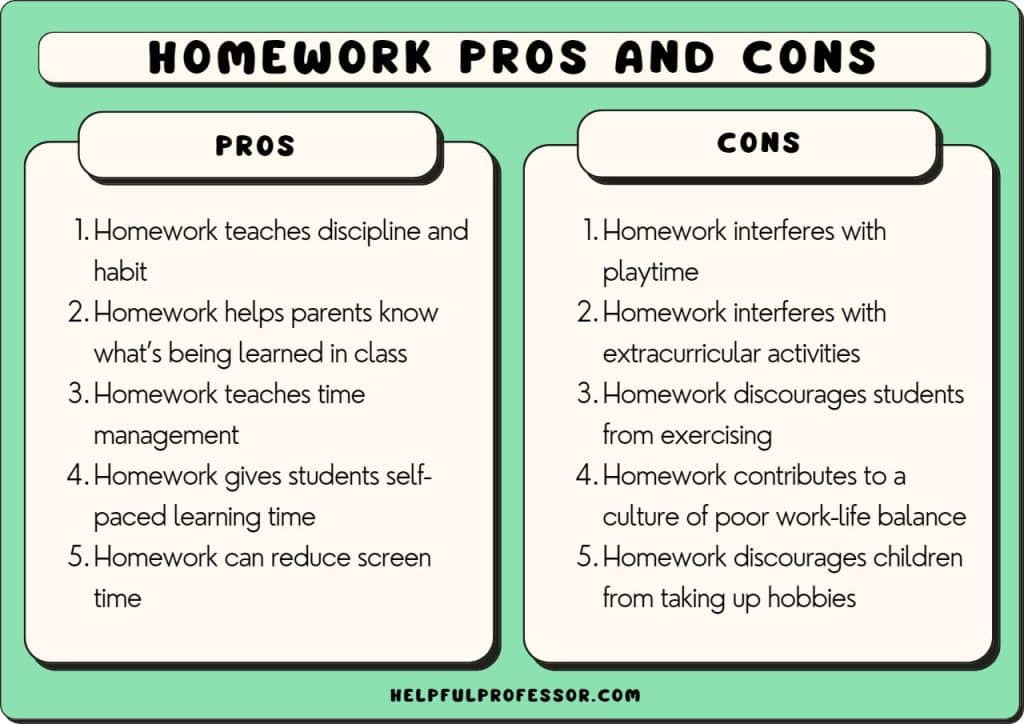
Homework has always been a topic of discussion and debate among educators, parents, and students. While some believe that homework is essential for reinforcing learning and building responsibility, others argue that it can be overwhelming and counterproductive. Regardless of where you stand on the homework debate, it’s important to address the questions and concerns that arise around this topic. In this article, we will explore some common questions about homework and provide answers and insights to help shed light on this often controversial subject.
One of the most frequently asked questions about homework is, “Why is homework necessary?” Many students wonder why they have to spend extra time on schoolwork when they already spend several hours in the classroom. The truth is, homework serves several purposes. It helps students review and reinforce what they’ve learned in class, develop independent learning skills, and prepare for upcoming lessons. Homework also allows teachers to assess students’ understanding of the material and provide individualized feedback.
Another question that often arises is, “How much homework is too much?” There isn’t a one-size-fits-all answer to this question as the amount of homework that is considered appropriate can vary depending on various factors such as grade level, subject, and individual student needs. However, it’s generally recommended that educators follow guidelines set by reputable organizations, such as the National Education Association, which suggests a general rule of ten minutes of homework per grade level per night.
See these questions about homework
- What is the purpose of homework?
- How much time should I spend on homework each night?
- Should parents help with homework?
- Does homework improve academic performance?
- What if I don’t understand the homework assignment?
- Is it okay to collaborate with classmates on homework?
- Does homework contribute to student stress?
- How can I stay motivated to do my homework?
- What should I do if I consistently struggle with homework?
- Is it necessary to do homework every day?
- Are there any benefits to taking breaks while doing homework?
- How can I manage my time effectively to complete homework?
- Does homework promote independent learning?
- What if I have extracurricular activities that take up a lot of time?
- Should homework be graded?
- What is the role of parents in monitoring homework?
- Is it possible to have too little homework?
- How can I make homework more enjoyable?
- What if I have a lot of homework from different subjects?
- Does homework interfere with family time?
- How can I effectively study for tests while balancing homework?
- What if I have a part-time job that limits my homework time?
- Are there any alternatives to traditional homework?
- What if I have a learning disability that affects my ability to complete homework?
- Can homework help foster a sense of responsibility?
- What if I have too many distractions at home to focus on homework?
- Does homework promote time management skills?
- How can I communicate with my teacher about any challenges I face with homework?
- What if I find the homework too easy or too difficult?
- Does homework contribute to sleep deprivation?
- What if I have multiple assignments due on the same day?
- Should students be allowed to choose their own homework assignments?
- Does homework have any long-term benefits?
- What if I have a family emergency that prevents me from completing homework?
- Should students be given the option to opt-out of homework?
- Does homework vary in effectiveness depending on the subject?
- What if I have a heavy workload from other classes?
- Are there any strategies to reduce procrastination when it comes to homework?
- Should homework be assigned during school breaks and vacations?
- What if I have conflicting priorities that make it challenging to complete homework?
- Does homework promote self-discipline?
- How can I avoid burnout from excessive homework?
These are just a few of the many questions that surround the topic of homework. It’s important to remember that there isn’t a one-size-fits-all answer to these questions as the effectiveness and necessity of homework can vary depending on individual circumstances. However, by addressing these questions and having open discussions about homework, educators, parents, and students can work together to find a balanced approach that supports learning and overall well-being.






