
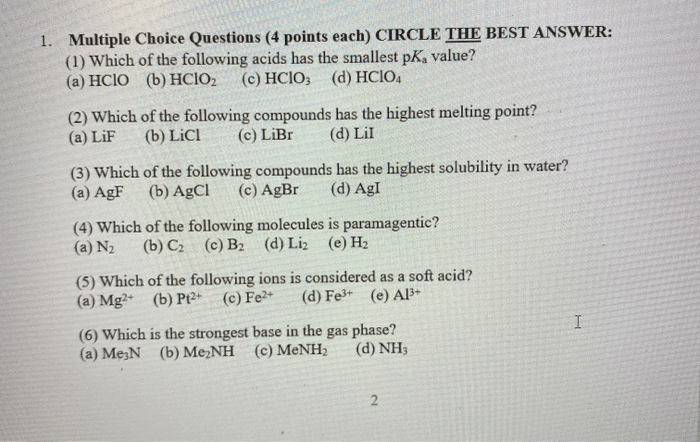
When it comes to understanding the fascinating world of chemistry, ions play a crucial role. These electrically charged particles are formed when an atom gains or loses electrons, resulting in a positive or negative charge. Ions are abundant in nature and have a significant impact on various chemical reactions and biological processes. However, many people have questions about ions and their properties. In this article, we will explore some commonly asked questions about ions and shed light on their behavior and importance.
One of the most common questions about ions is, “What are ions and how are they formed?” As mentioned earlier, ions are atoms that have gained or lost electrons, resulting in a charge. This process occurs when an atom either gains electrons to become negatively charged (anion) or loses electrons to become positively charged (cation). The number of protons and electrons in an atom determines its overall charge. For example, if an atom has more protons than electrons, it will have a positive charge, and vice versa.
Another frequently asked question is, “What is the significance of ions in chemical reactions?” Ions play a crucial role in chemical reactions by enabling the formation and breaking of chemical bonds. They act as catalysts, speeding up reactions by providing an alternative pathway with lower activation energy. Additionally, ions can also influence the pH of a solution, as acidic solutions have an excess of hydrogen ions (H+) while basic solutions have an excess of hydroxide ions (OH-).
See these questions about ions:
- What is the difference between a cation and an anion?
- How do ions affect the conductivity of a solution?
- What are polyatomic ions?
- Can ions exist as single entities in nature?
- How do ions form ionic compounds?
- What is the role of ions in electrolysis?
- Can ions pass through cell membranes?
- What are the properties of metallic ions?
- How do ions contribute to the formation of crystals?
- What is the role of ions in nerve impulses?
- Do all elements form ions?
- What are the applications of ions in medicine?
- How are ions detected in mass spectrometry?
- What is the relationship between ions and salts?
- How do ions affect the solubility of substances?
- What is the role of ions in battery technology?
- Can ions be found in outer space?
- How do ions contribute to the color of fireworks?
- What is the role of ions in water purification?
- How do ions affect the taste of food?
- Can ions be created artificially in a laboratory?
- What is the role of ions in DNA replication?
- How do ions influence the acidity of rain?
- What are the different methods of ion detection?
- Can ions be manipulated for industrial purposes?
- How do ions affect the behavior of enzymes?
- What is the role of ions in the formation of thunderstorms?
- Can ions be used in the production of semiconductors?
- How do ions contribute to the formation of clouds?
- What is the impact of ions on human health?
- How do ions influence the stability of proteins?
- What is the role of ions in the function of biological membranes?
- Can ions be used in the treatment of cancer?
- How do ions contribute to the formation of coral reefs?
- What is the relationship between ions and pH?
- How do ions affect the conductivity of metals?
- What is the role of ions in the formation of lightning?
- Can ions be used in the development of new materials?
- How do ions contribute to the formation of stalactites and stalagmites?
- What is the impact of ions on the environment?
- How do ions influence the properties of soil?
- What is the role of ions in the transmission of nerve signals?
- Can ions be used in the production of renewable energy?
These are just a few examples of the many questions people have about ions. Exploring the answers to these questions can deepen our understanding of this fundamental concept in chemistry and its wide-ranging implications. Whether you are a student, a scientist, or simply curious about the world around you, delving into the world of ions can be a fascinating journey.






